Best haircuts for thin hair that make it look thicker

Thin hair doesn’t necessarily need more styling — sometimes, it simply needs the right haircut.
The right shape can make fine or thin hair appear fuller, create movement where the hair tends to fall flat, and give the entire style a healthier, more polished appearance. The secret is not adding as many layers as possible. In fact, removing too much weight can sometimes make thin hair look even finer.
From blunt bobs to textured pixies and modern bixies, these are some of the best haircuts for thin hair when you want to create the appearance of more volume and density.
Why the Right Haircut Matters for Thin Hair
When hair is naturally fine or has lower density, the shape of the haircut becomes especially important.
Long, heavily layered hair can sometimes leave the ends looking sparse, while a stronger perimeter can immediately create the illusion of thickness. Shorter lengths can also reduce weight, allowing the roots and crown to lift more easily.
The goal isn’t simply to create volume. A flattering haircut should balance density, movement and shape while still being realistic for your everyday styling routine.
Best Short Haircuts for Thin Hair
Going shorter can be one of the easiest ways to make thin hair appear fuller. Removing excess length reduces weight, while carefully placed texture can create movement and dimension.
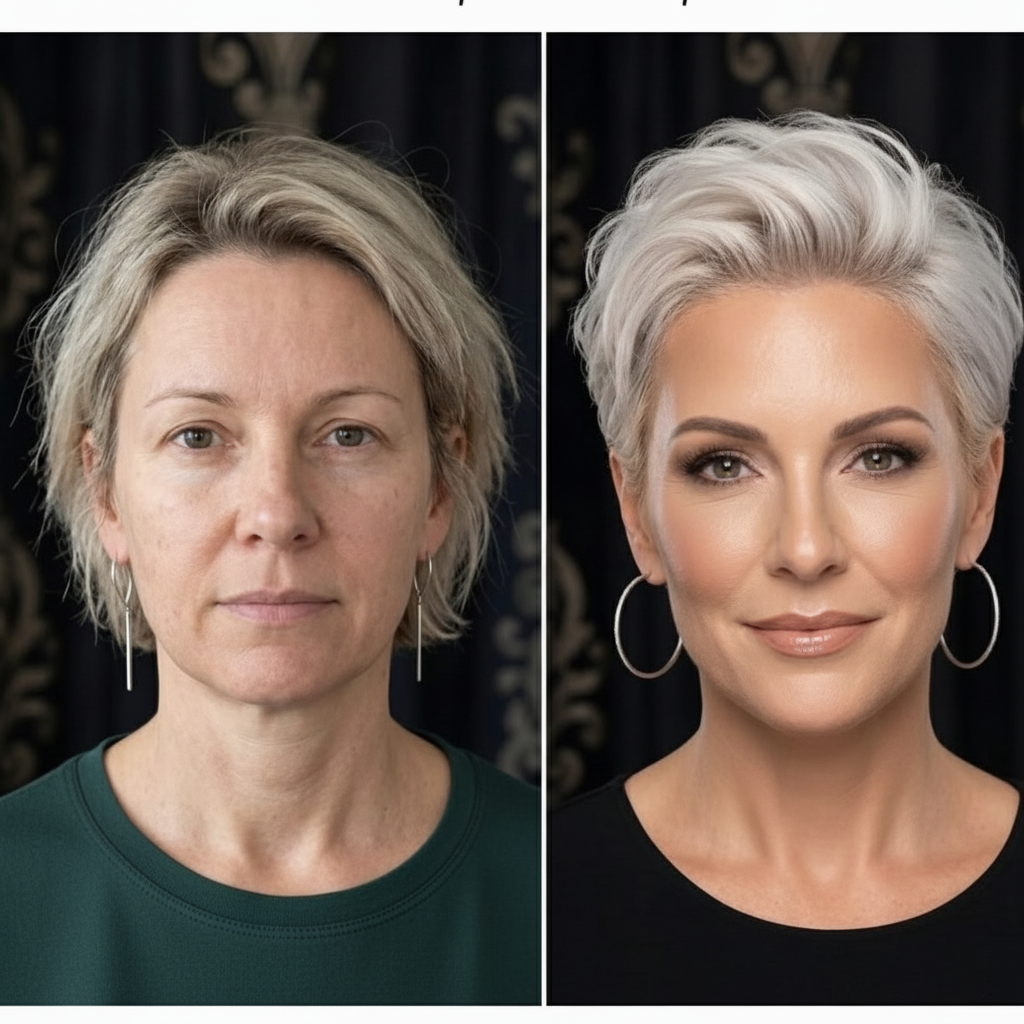
1. Textured Pixie Cut
A textured pixie is an excellent option for thin hair because shorter strands are naturally easier to lift and style.
Keeping a little extra length through the crown creates room for movement, while shorter sides help maintain a clean silhouette. Instead of creating extreme height, ask for soft, separated texture that gives the hair dimension.
Why it works: Shorter lengths reduce weight while texture creates the illusion of additional density.
2. Soft Bixie Cut
The bixie sits somewhere between a pixie and a short bob, making it particularly flattering for hair that needs both movement and fullness.
It retains enough length around the face to feel soft while keeping the back and crown light enough to create natural lift.
Why it works: You get the movement of a pixie while keeping some of the visual fullness of a bob.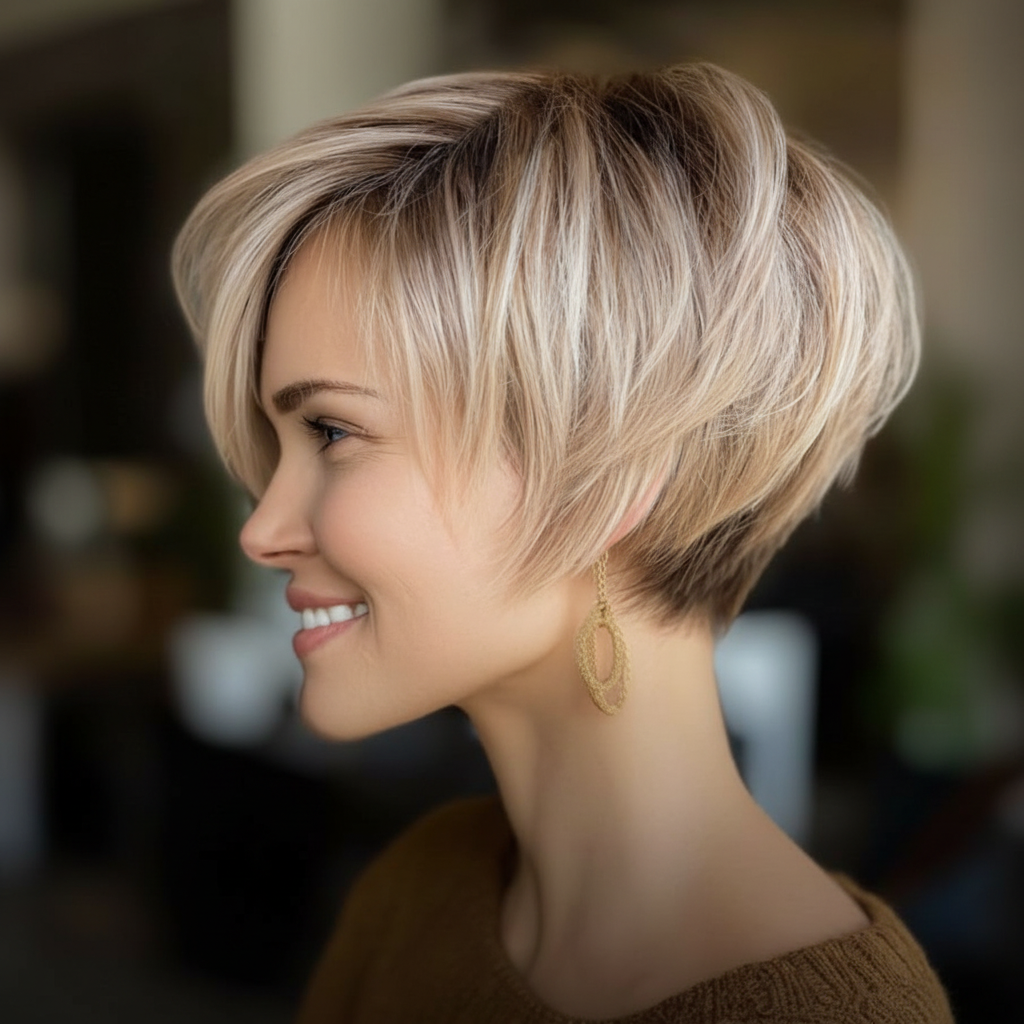
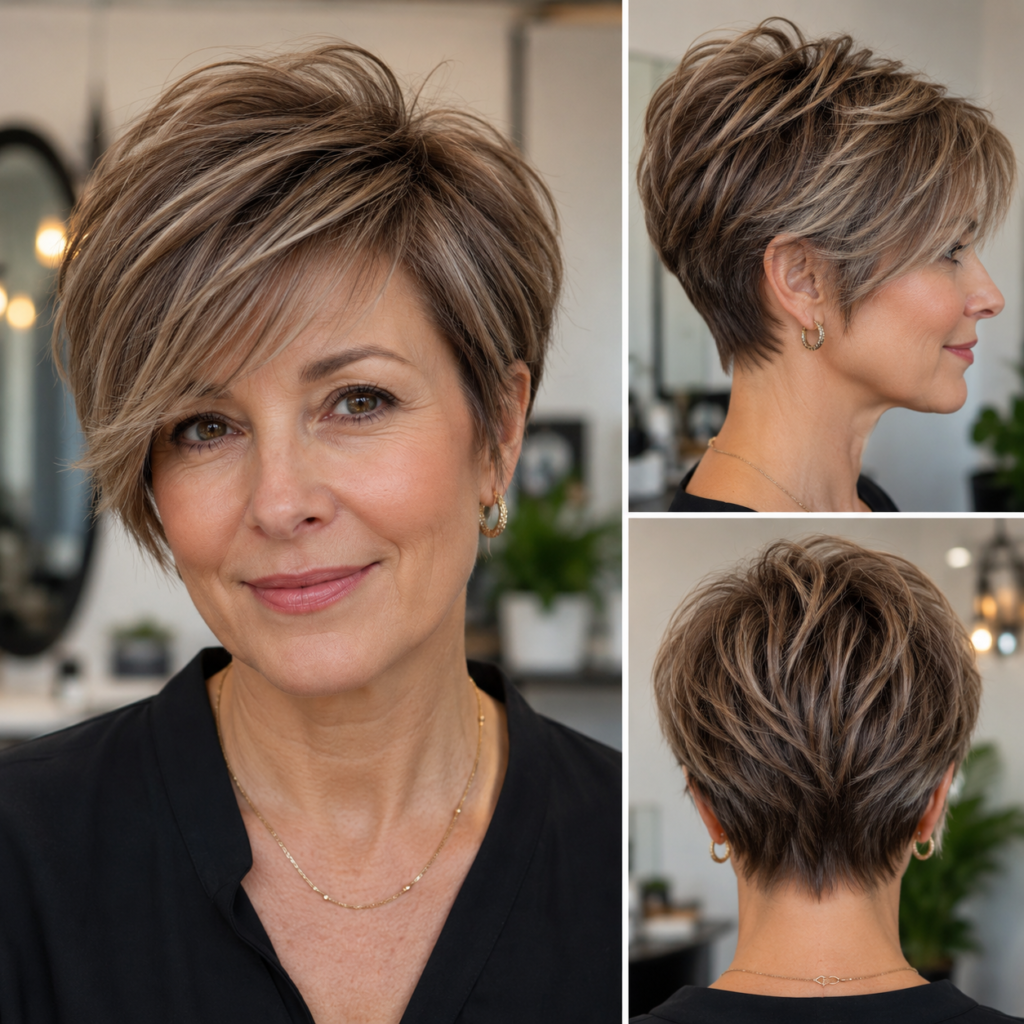
3. Long Pixie With Side-Swept Bangs
If a traditional pixie feels too short, a longer version can offer many of the same benefits.
Extra length on top gives fine hair more styling possibilities, while side-swept bangs create movement across the front of the face.
Best Bob Haircuts for Thin Hair
Bob haircuts are particularly useful for thin hair because they allow the stylist to preserve density through the ends.
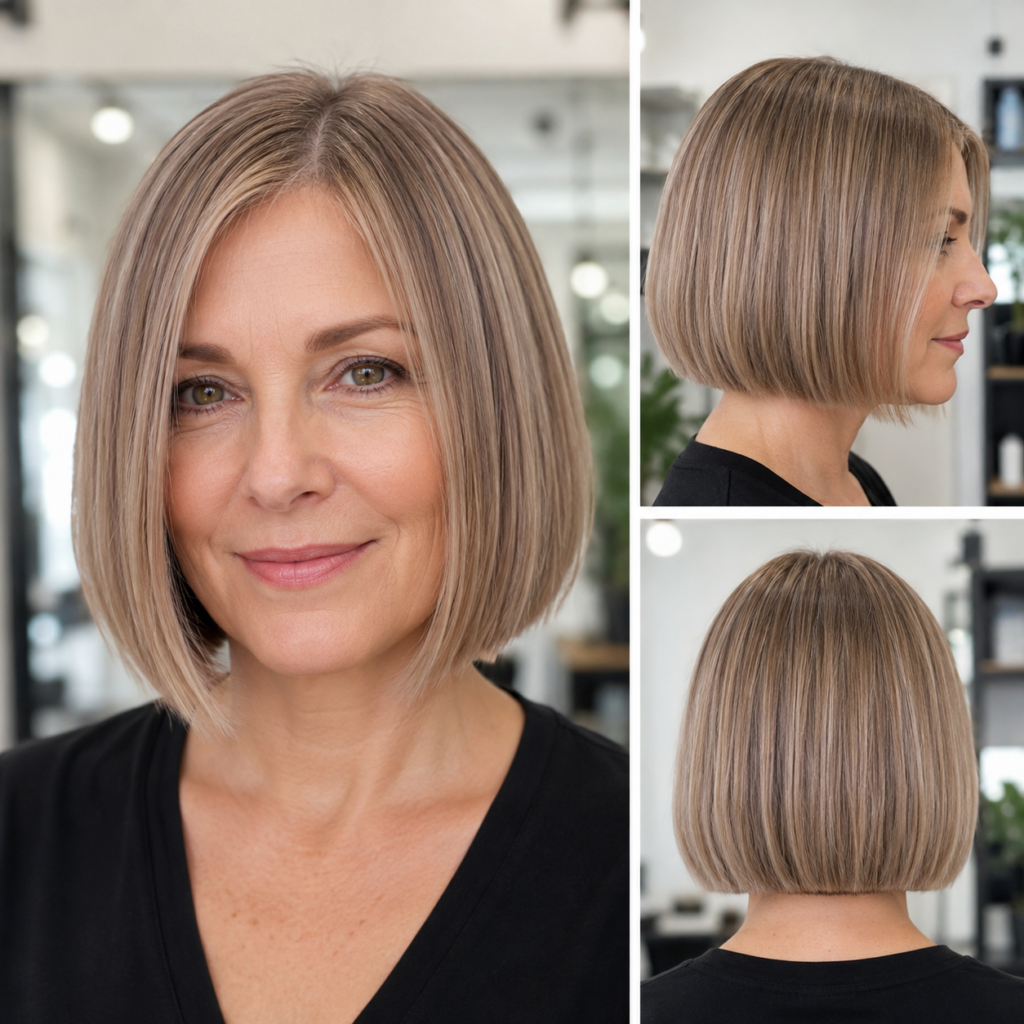
4. Blunt Bob
The blunt bob remains one of the strongest choices for making thin hair look thicker.
Rather than creating numerous layers, the hair is cut along a defined baseline. This gives the ends more visual weight and can make the entire haircut appear denser.
Why it works: A strong perimeter makes the ends appear thicker and healthier.
5. Chin-Length Bob
A chin-length bob combines a compact shape with enough movement to avoid looking severe.
Because the hair doesn’t extend far beyond the jaw, the ends are less likely to appear thin or stringy. A subtle bend or slightly tucked-under finish can emphasize the clean perimeter.

6. Softly Layered Bob
Thin hair can absolutely have layers — they simply need to be placed carefully.
A softly layered bob maintains most of its density through the bottom while introducing subtle movement through the crown and around the face.

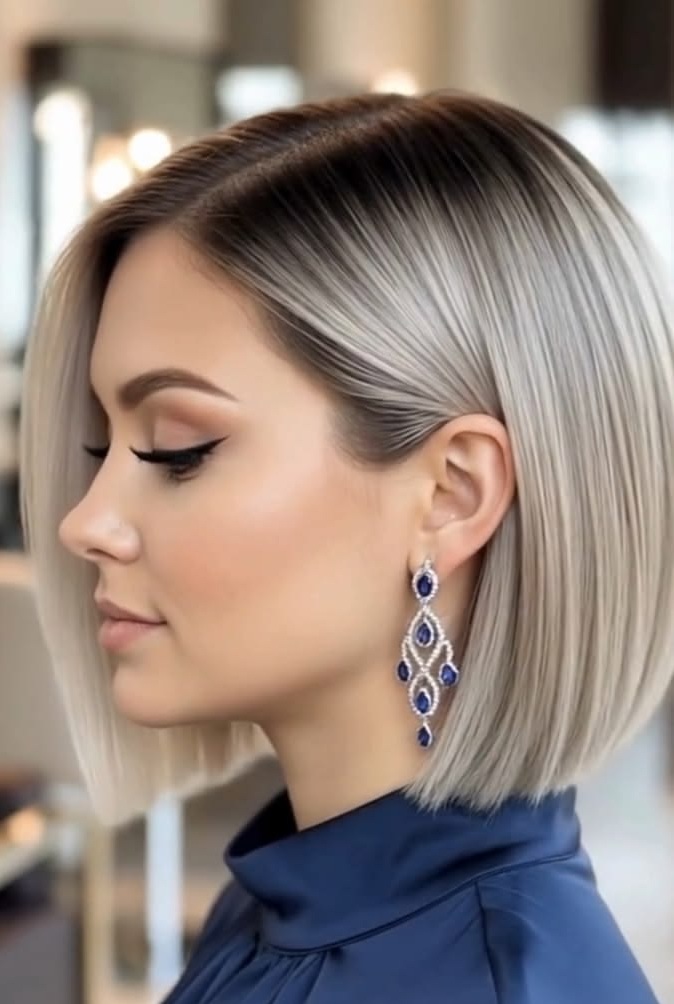
7. A-Line Bob
An A-line bob is slightly shorter at the back and gradually becomes longer toward the front.
This shape can create natural lift around the back of the head while preserving a clean, fuller-looking line around the face.
Medium-Length Haircuts That Make Thin Hair Look Fuller
You don’t necessarily need short hair to create the appearance of density. The key with medium lengths is preventing the ends from becoming overly thin.
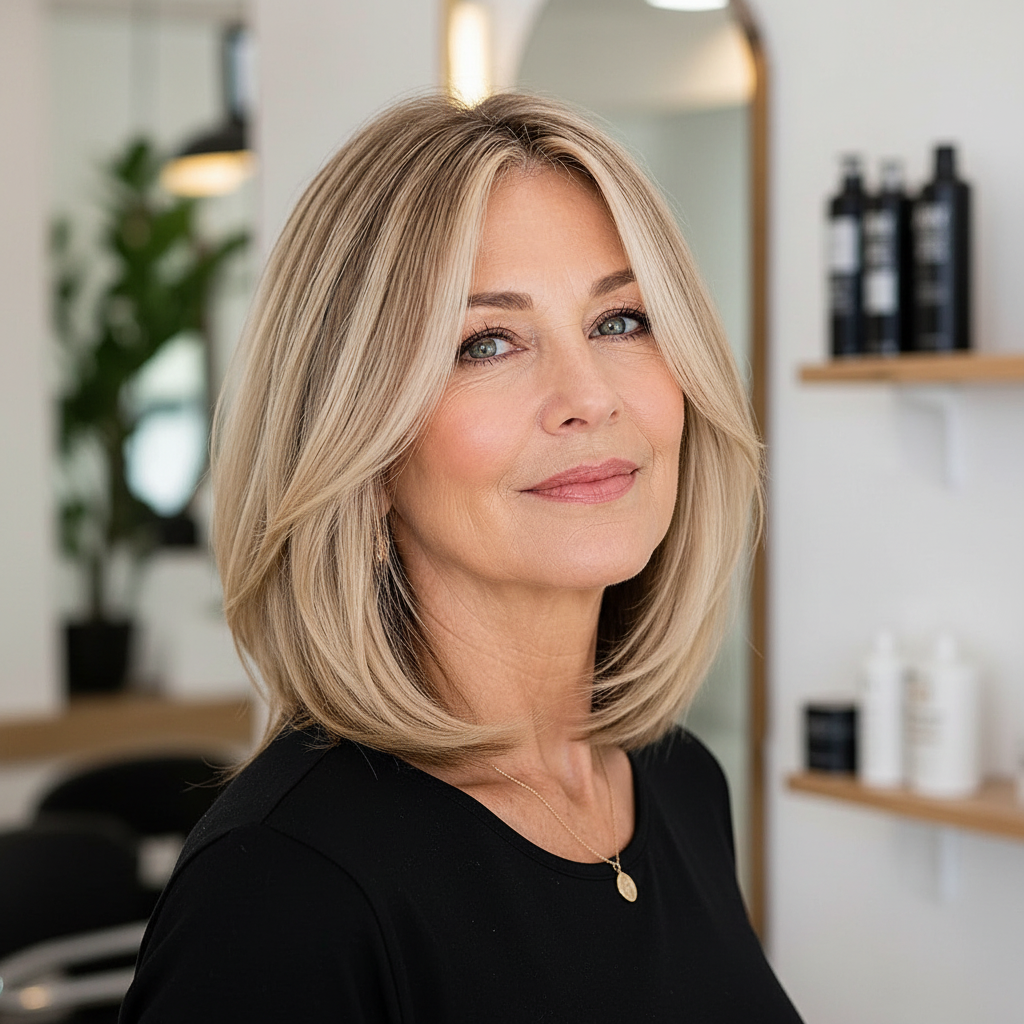
8. Collarbone Lob
A lob that falls around the collarbone is an excellent compromise between short and long hair.
It provides enough length for different styling options while remaining short enough to maintain a substantial-looking perimeter.
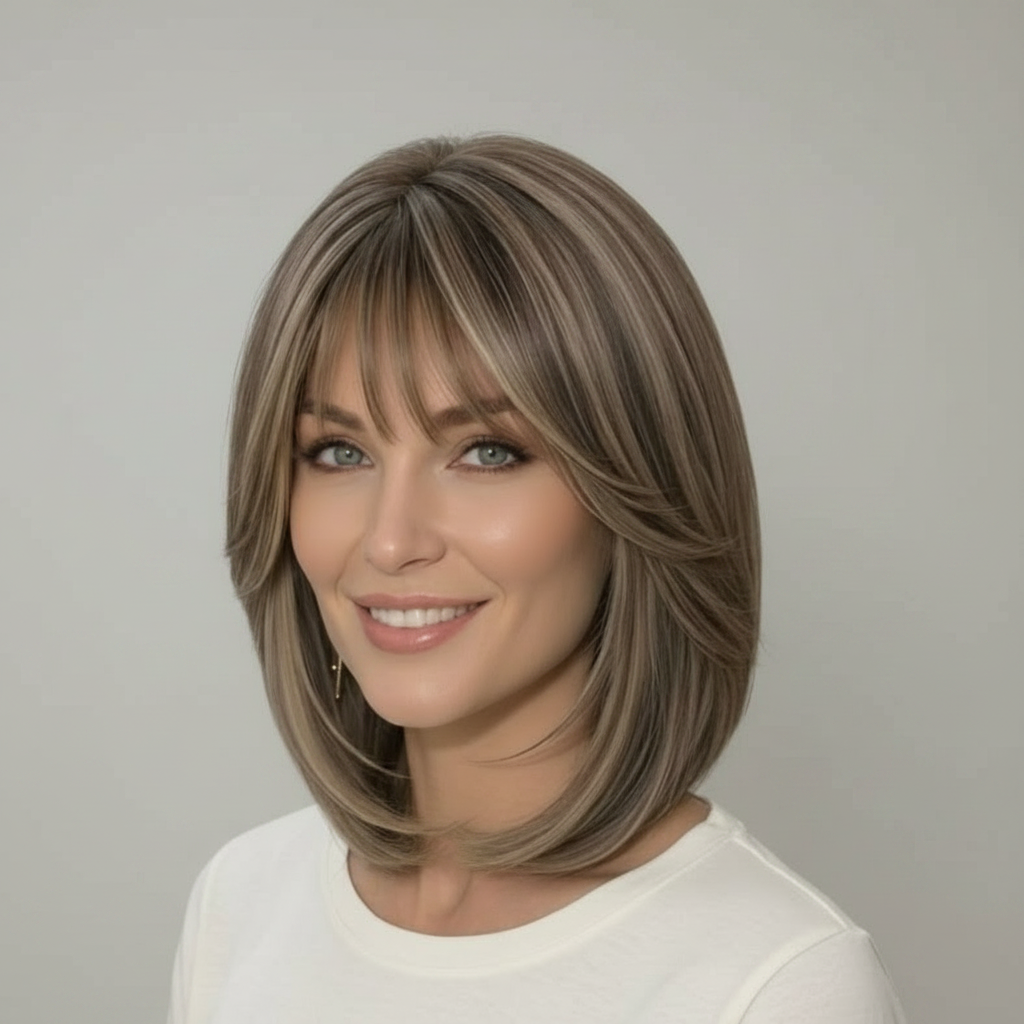
9. Lob With Face-Framing Layers
If a one-length lob feels too heavy or plain, subtle face-framing pieces can introduce movement without compromising the density of the rest of the haircut.
Keeping the back relatively full helps maintain the illusion of thicker hair.
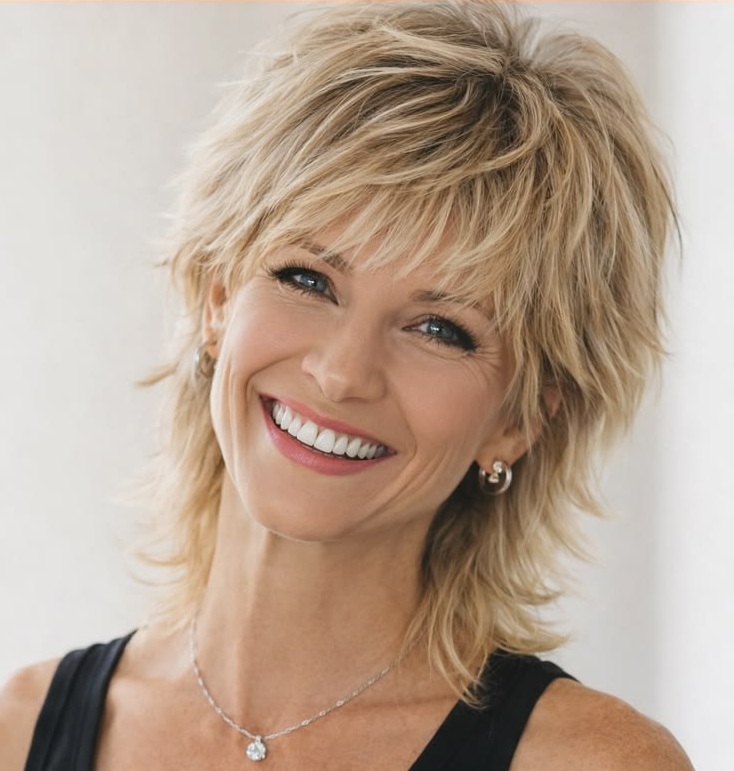
10. Soft Shag With Controlled Layers
A shag might sound surprising for thin hair, but a softer version can work beautifully.
Instead of aggressive layering throughout the entire haircut, the stylist can concentrate movement around the crown and face while preserving more weight toward the bottom.
Should Thin Hair Be Layered or Blunt?
There isn’t one answer for everyone.
If your hair is very fine or your ends naturally appear sparse, a blunt or minimally layered haircut can create noticeably more visual density.
If you have fine strands but a reasonable amount of hair, subtle layers may provide the movement and lift you’re missing.
The important distinction is between strategic layering and excessive thinning.
Haircuts That Can Make Thin Hair Look Even Thinner
No haircut is universally wrong, but certain techniques may be less flattering when maintaining density is the priority.
Too Many Short Layers
Heavy layering can remove valuable weight from already fine hair, particularly through the lower sections.
Excessive Thinning
Thinning shears and aggressive razor techniques can create beautiful texture on some hair types, but removing too much density may leave fine ends looking sparse.
Very Long Hair With Thin Ends
Length itself isn’t the problem. However, if the final several inches have significantly less density, maintaining that extra length can make the overall hairstyle appear thinner.
Sometimes removing a few inches creates an immediate visual improvement.
How to Style Thin Hair to Make It Look Thicker
The haircut provides the foundation, but styling can enhance the effect.
Create Lift at the Roots
When blow-drying, direct the roots slightly away from their natural growth pattern. Even subtle root lift can change the appearance of the entire hairstyle.
Keep Products Lightweight
Heavy creams, oils and excessive product buildup can pull fine hair down. Lightweight volumizing products are usually a better choice when volume is the goal.
Experiment With Your Part
Hair naturally becomes accustomed to falling in the same direction. Moving your part slightly can create instant lift at the roots.
How to Choose the Best Haircut for Your Thin Hair
The best haircut depends on more than whether your hair is classified as thin or fine.
Consider your natural texture, density, face shape, styling habits and how much maintenance you’re realistically willing to do.
If you prefer minimal styling, a blunt bob or simple lob may be easier to maintain. If you enjoy texture and movement, a bixie or longer pixie can offer more styling possibilities.
Most importantly, choose a haircut that works with your natural hair rather than constantly fighting against it.
Final Thoughts
Thin hair doesn’t have to look flat or lifeless.
A strong blunt bob can make the ends appear significantly fuller, a textured pixie can create movement through the crown, and a soft bixie can offer the best of both worlds.
The secret isn’t necessarily adding more layers or more volume. Often, the most flattering haircuts for thin hair are those that preserve density while creating movement exactly where it’s needed.
Which would you choose for thin hair: a blunt bob, textured pixie or soft bixie?