The best pixie cuts for fine hair ater 50
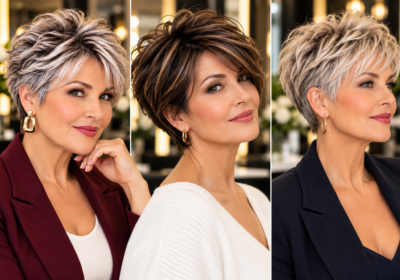
Fine hair can make choosing a short haircut surprisingly difficult. Cut it too short or remove too much weight, and the hair may look even thinner. Leave too much length in the wrong places, and the style can fall flat within hours.
That is why a good pixie cut for fine hair is less about simply going short and more about where the stylist keeps length, where the layers begin, and how the shape is built around the crown, sides and nape.
For women over 50, the most flattering pixie cuts often create gentle lift through the top while keeping enough density around the perimeter to make the hair appear fuller.
Here are some of the best pixie cuts for fine hair after 50 — and why each one works.
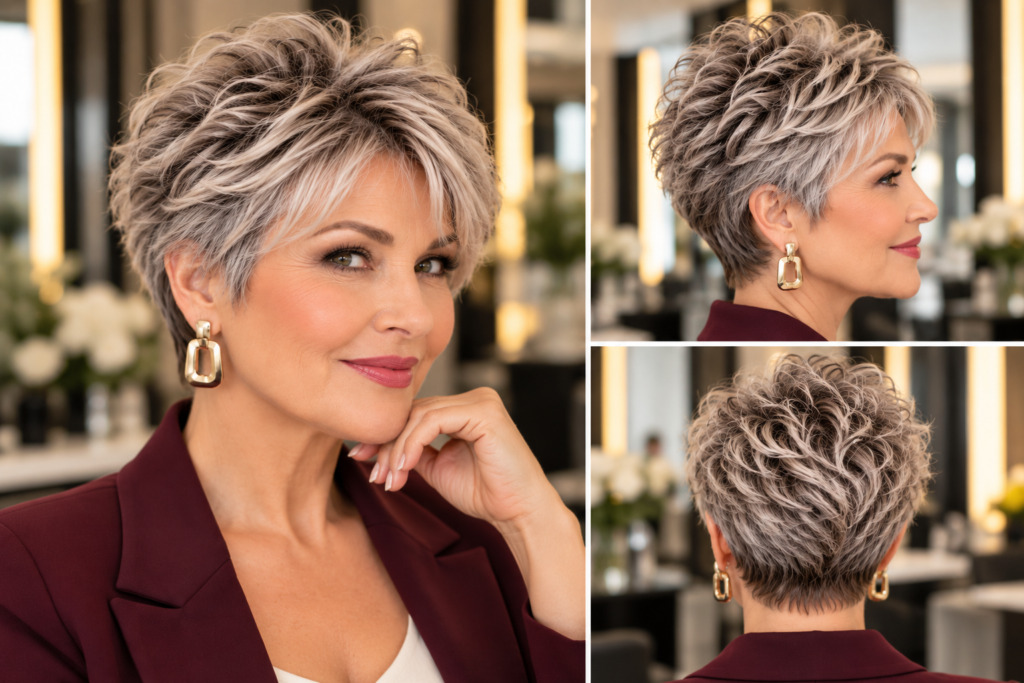
1. Textured Pixie With Crown Volume
A textured pixie is one of the easiest ways to give fine hair more visual dimension.
Instead of cutting the top into very short, uniform layers, the stylist can preserve slightly longer pieces through the crown and upper sides. Those pieces overlap and separate naturally, creating movement and making the hair appear denser.
The key is controlled texture. Fine hair does not need aggressive thinning to become textured. In fact, removing too much hair can have the opposite effect.
A better approach is to create variation in length while maintaining enough weight through the ends.
Why it works: the combination of crown lift and separated layers creates the illusion of more hair without requiring exaggerated volume.
2. Soft Layered Pixie
Not every pixie needs dramatic texture.
A soft layered pixie has a smoother silhouette, with subtle layers that follow the natural shape of the head. It works particularly well for women who prefer polished hair rather than a deliberately tousled finish.
The layers should create enough movement to prevent the haircut from lying completely flat, while the sides remain soft rather than excessively thinned.
This balance is especially important with fine hair.
Too many short layers can expose the scalp and make the ends look sparse. Longer, blended layers tend to create a fuller result.
Best for:
Fine straight or slightly wavy hair that needs movement without losing density.
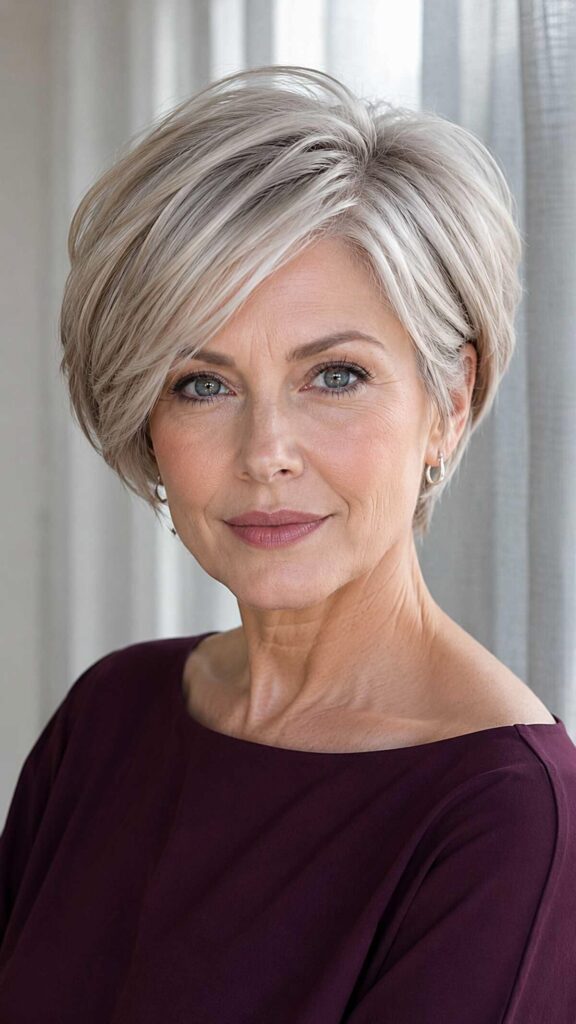
3. Long Pixie With Side-Swept Fringe
A longer pixie can be an excellent transition for women who want a short haircut without exposing the entire face.
Keeping more length through the front allows the fringe to sweep diagonally across the forehead. This creates movement while preserving visible density around the hairline.
It can also make a pixie feel softer and more versatile.
The back and sides can remain relatively compact while the longer top provides styling options.
Why it works for fine hair: the eye follows the longer diagonal pieces rather than focusing on overall hair density.
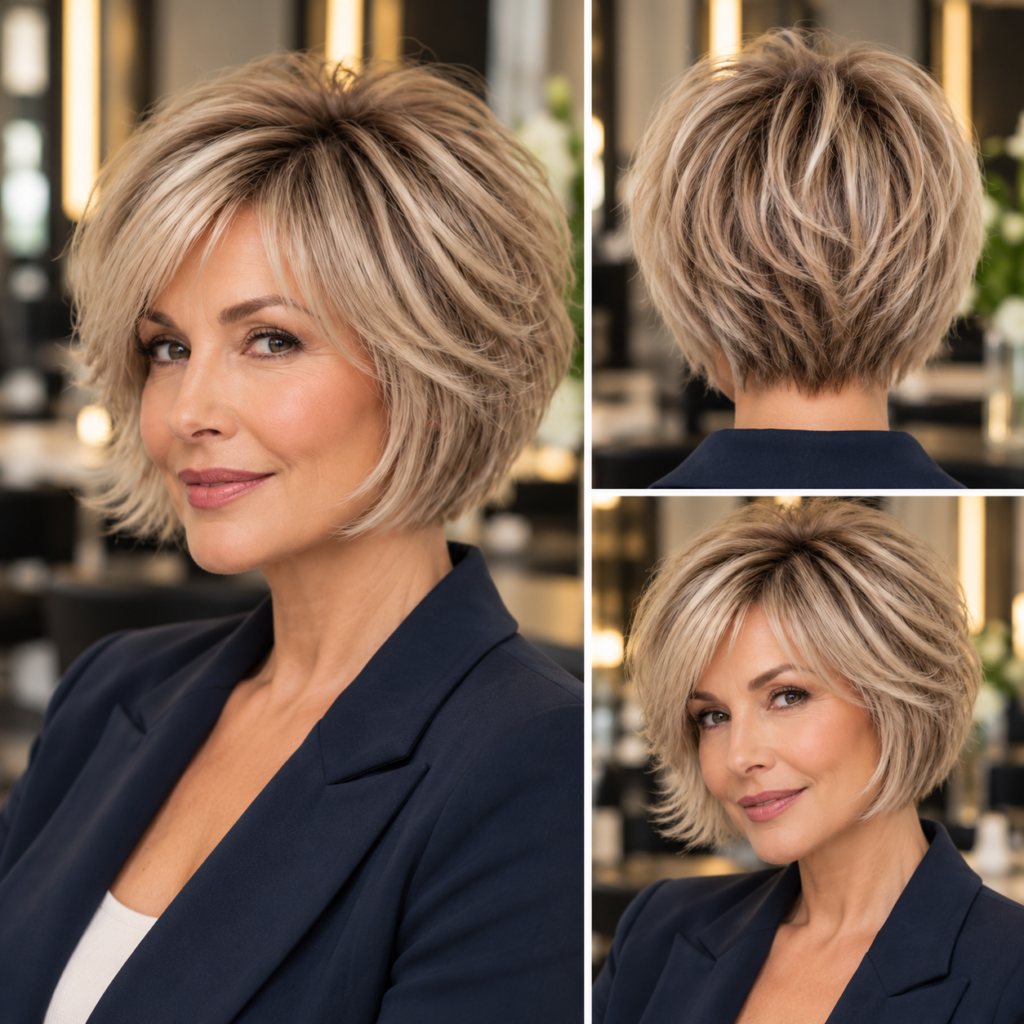
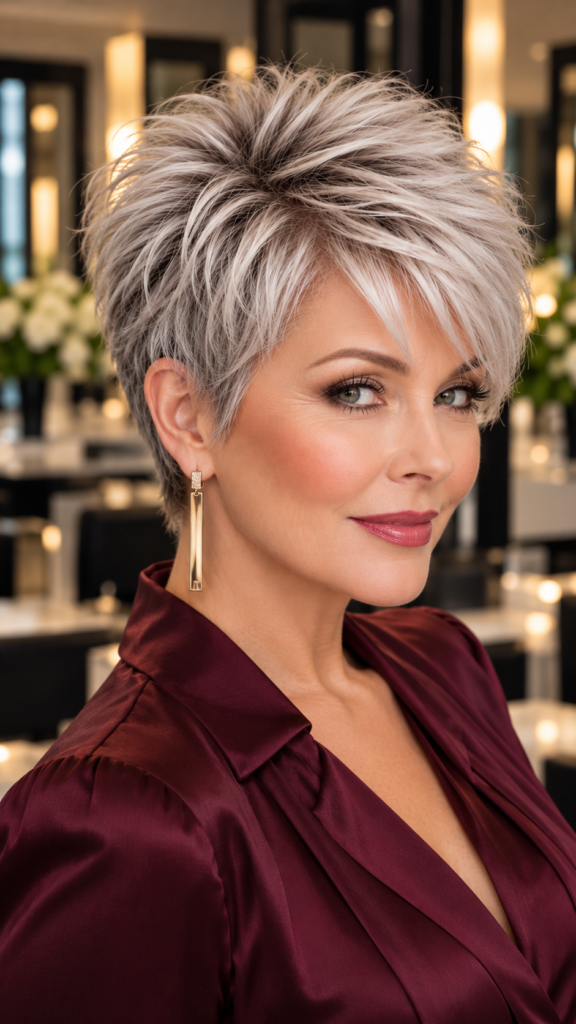
4. Tapered Pixie With a Full Crown
One of the most useful principles when cutting fine hair is contrast.
A clean, tapered nape can make the hair above it appear noticeably fuller.
Rather than trying to create volume everywhere, this pixie keeps the neckline controlled and gradually builds more length toward the crown.
The difference between the compact nape and fuller upper section gives the haircut structure.
This is also why the back view matters so much with a pixie cut. A beautifully shaped nape can completely change the silhouette.
5. Pixie Bob for Fine Hair
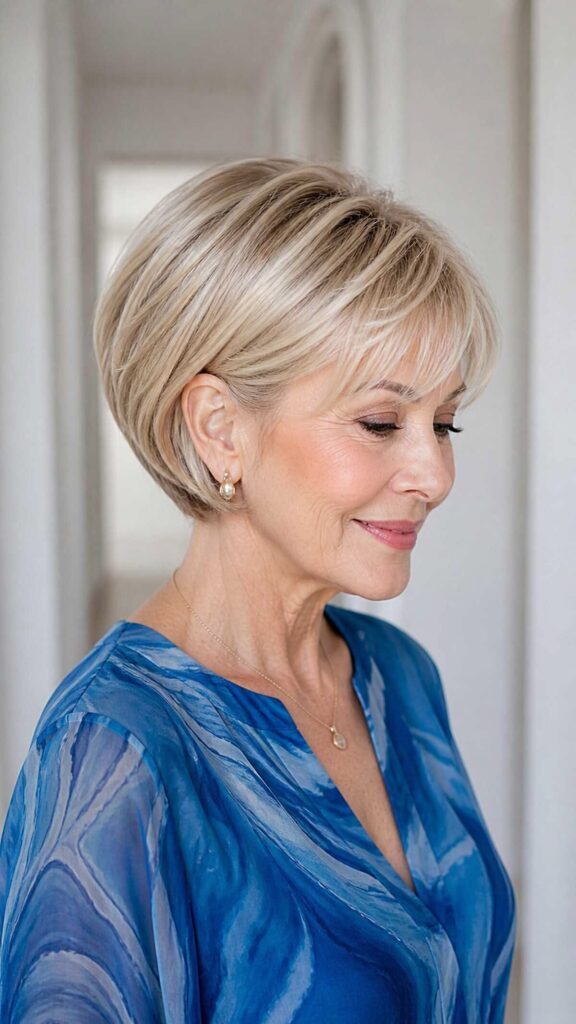
If a classic pixie feels too short, a pixie bob offers a useful middle ground.
It combines the compact structure of a pixie with some of the softness and length of a short bob.
The top and front remain longer, while the back can be gently graduated to support the shape.
For fine hair, the perimeter should still look substantial. Over-layering the bottom can make a pixie bob appear wispy rather than full.
A good pixie bob should feel light on top but visually solid around the edges.
Read Pixie bob that add volume after 50
6.Tousled Pixie for Fine Hair
A little imperfection can make fine hair look considerably fuller.
A tousled pixie uses irregular movement rather than a perfectly smooth surface. Small sections move in slightly different directions, which creates shadows, separation and depth.
The result can make the hair appear more abundant than when every strand is styled flat against the head.
But there is an important distinction between texture and frizz.
The goal is soft, intentional separation — not excessive teasing or heavy product.
For everyday styling, a small amount of lightweight texture product is usually enough.
7. Silver Pixie With Dimensional Layers
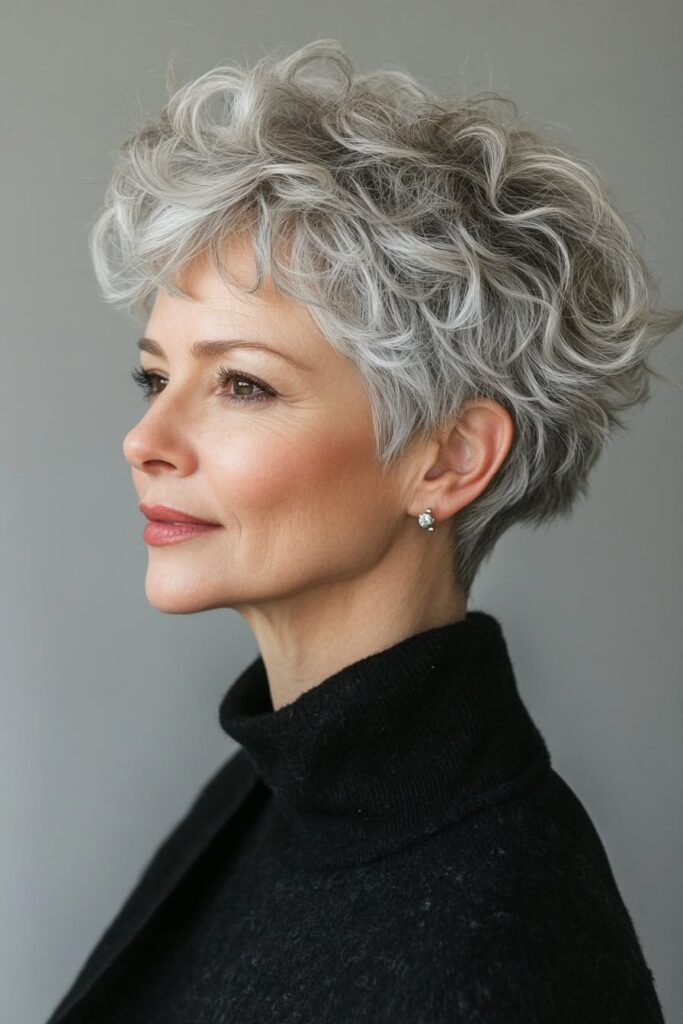
Silver hair can look especially beautiful in a layered pixie because different shades naturally emphasize the haircut.
Cool silver, soft white, charcoal and deeper natural tones can create visible dimension between the layers.
Instead of trying to hide every darker strand, allowing some tonal variation can actually make the haircut look more textured.
The effect is particularly striking around the crown and fringe, where overlapping layers catch the light differently.
A dimensional silver pixie can therefore look fuller even when the individual strands are fine.
8. Wavy Pixie With Longer Top Layers
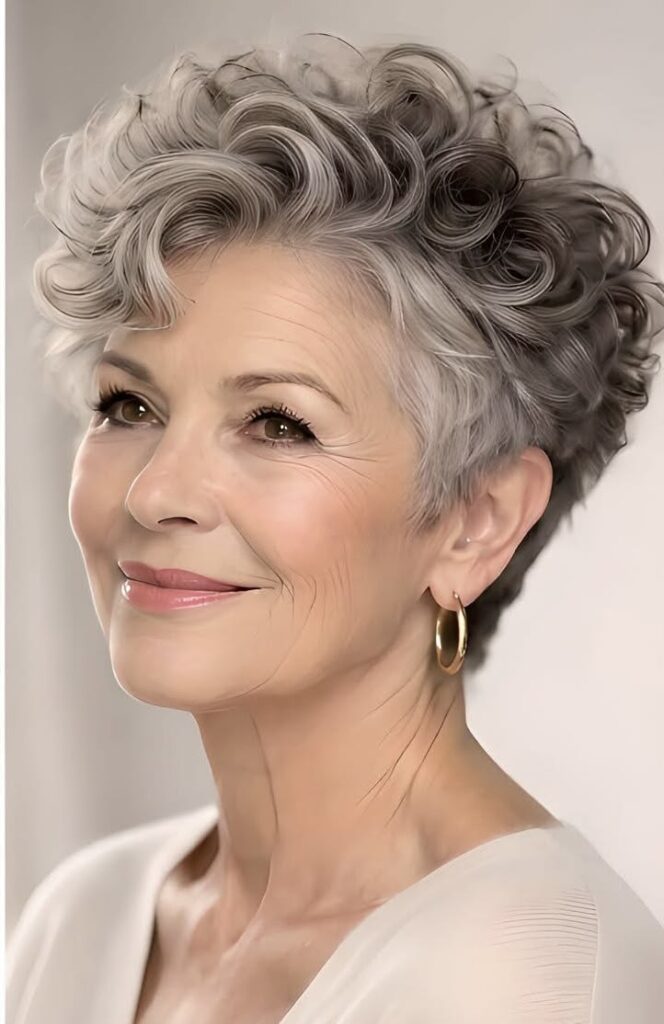
Women with naturally wavy fine hair do not necessarily need to straighten it to wear a pixie.
Keeping slightly more length through the top gives the natural wave enough room to form.
Those bends create space between individual sections of hair, which can visually increase volume.
The sides and nape can remain more controlled so that the haircut still has a defined shape.
This type of pixie often works best when it is allowed to move rather than being styled into a rigid silhouette.
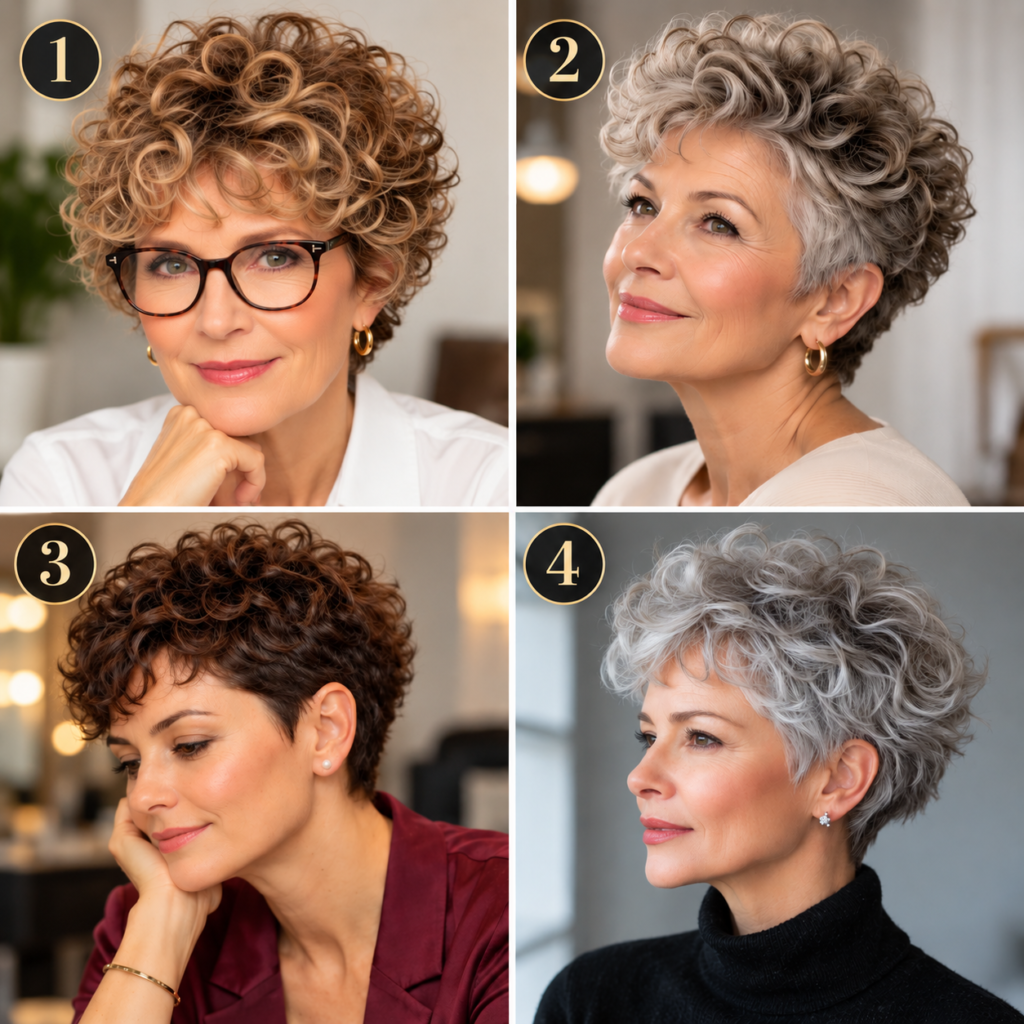
What Makes a Pixie Look Fuller on Fine Hair?
The shortest haircut is not automatically the fullest-looking haircut.
With fine hair, several small structural decisions make a much bigger difference:
- preserving enough length through the crown;
- keeping density around important areas of the perimeter;
- using texture strategically instead of thinning aggressively;
- creating contrast between a neat nape and a fuller top;
- directing the fringe or top layers diagonally rather than letting everything fall straight down.
The objective is not to create enormous volume.
It is to create shape, separation and controlled lift.
What to Avoid When Cutting Fine Hair Into a Pixie
One of the biggest mistakes is assuming that fine hair needs extensive thinning because a pixie should feel light.
Fine hair is already light.
Removing too much density can leave transparent ends and make the scalp more noticeable.
Another common problem is cutting every section extremely short. Without enough variation in length, there may be very little hair available to create movement or crown lift.
Also be careful with an excessively high, rounded crown. Too much height can make the haircut look dated and often requires more daily styling.
A modern pixie usually looks better when the volume feels natural and follows the shape of the head.
Where Should the Volume Be?
For most fine-hair pixies, volume works best through the upper crown and top, rather than directly at the sides.
Too much width around the temples can make the haircut appear round, while a little controlled lift above creates a more balanced silhouette.
The front also matters.
A soft fringe, side sweep or longer face-framing section can prevent a short haircut from looking severe while adding another visible layer of movement.
What to Ask Your Hairstylist
Instead of showing only a front-facing inspiration photo, bring images that show the haircut from several angles.
The side and back views reveal information that the front cannot: how short the nape is, where the graduation begins, how much crown length remains and how the top connects to the sides.
Tell your stylist that your priority is to make fine hair look fuller without excessive thinning.
You can also ask:
Can we keep enough length through the crown to create movement while maintaining density through the ends?
That conversation is often more useful than simply requesting “more volume.”
How to Style a Pixie for Fine Hair
Fine hair usually responds better to lightweight styling than to layers of heavy product.
Start by directing the roots in the opposite direction from where they naturally fall while blow-drying. This can create lift without aggressive teasing.
Then use your fingers to separate a few pieces through the top and fringe.
Avoid coating the entire haircut in heavy wax or oil. Those products can cause fine strands to group together and make the hair look flatter.
The goal is movement rather than stiffness.
How Often Should a Pixie Be Trimmed?
Because a pixie relies heavily on its silhouette, changes in length become noticeable relatively quickly.
Many women find that approximately 4–8 weeks between trims keeps the nape, sides and crown balanced, although the ideal schedule depends on how quickly the hair grows and how precise the haircut is.
A softer, longer pixie generally tolerates more growth than a very short tapered style.
Which Pixie Is Best for Fine Hair After 50?
There is no single pixie that works for every woman with fine hair.
If your hair is very straight, a soft layered or side-swept pixie may provide enough movement without sacrificing density.
If your hair has natural bend or wave, a textured or tousled pixie can take advantage of that movement.
If you prefer more coverage around the face, consider a long pixie or pixie bob.
And if you wear your natural gray or silver, dimensional layers can make both the color and the haircut more visible.
The best choice is the one that works with your actual density, texture and growth pattern.
Final Thoughts
A great pixie cut should not depend on constant teasing or heavy styling to make fine hair look fuller.
The fullness should begin with the haircut itself.
By keeping strategic length through the crown, protecting density where it matters and creating a clean shape through the sides and nape, a pixie can make fine hair look lighter, more dimensional and noticeably fuller.
And sometimes, going shorter is not about having less hair.
It is about making the hair you have work harder.