7 haircut mistakes that make fine hair look thinner after 50
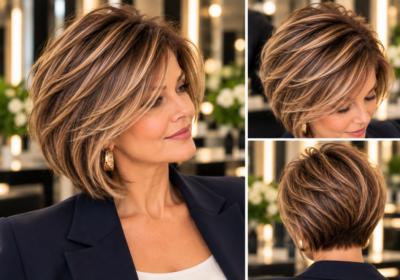
A good haircut can make fine hair look fuller, healthier, and easier to style. But the wrong cutting choices can have exactly the opposite effect.
Too many layers can leave the ends looking sparse. Excessive texturizing can remove the density you were trying to preserve. And even a beautiful haircut can fall flat when its shape isn’t adapted to your natural hair density.
After 50, these details can become even more noticeable as hair texture and density may change over time.
The good news? Fine hair doesn’t necessarily need fewer layers or a dramatically shorter cut. It needs a haircut that keeps weight in the right places while creating movement where it helps most.
Here are seven common haircut mistakes that can make fine hair look thinner — and what can work better instead.
1. Adding Too Many Layers
Layers can be one of the best tools for fine hair. They introduce movement, prevent a haircut from looking flat, and can give the crown more shape.
But there is a point where layering starts working against you.
When too many sections are shortened — especially through the sides and lower part of the haircut — fewer strands reach the bottom. The ends can begin to look wispy even when the hair itself is healthy.
This often creates an unfortunate contrast: plenty of movement at the top, but very little visual weight at the bottom.
What Works Better
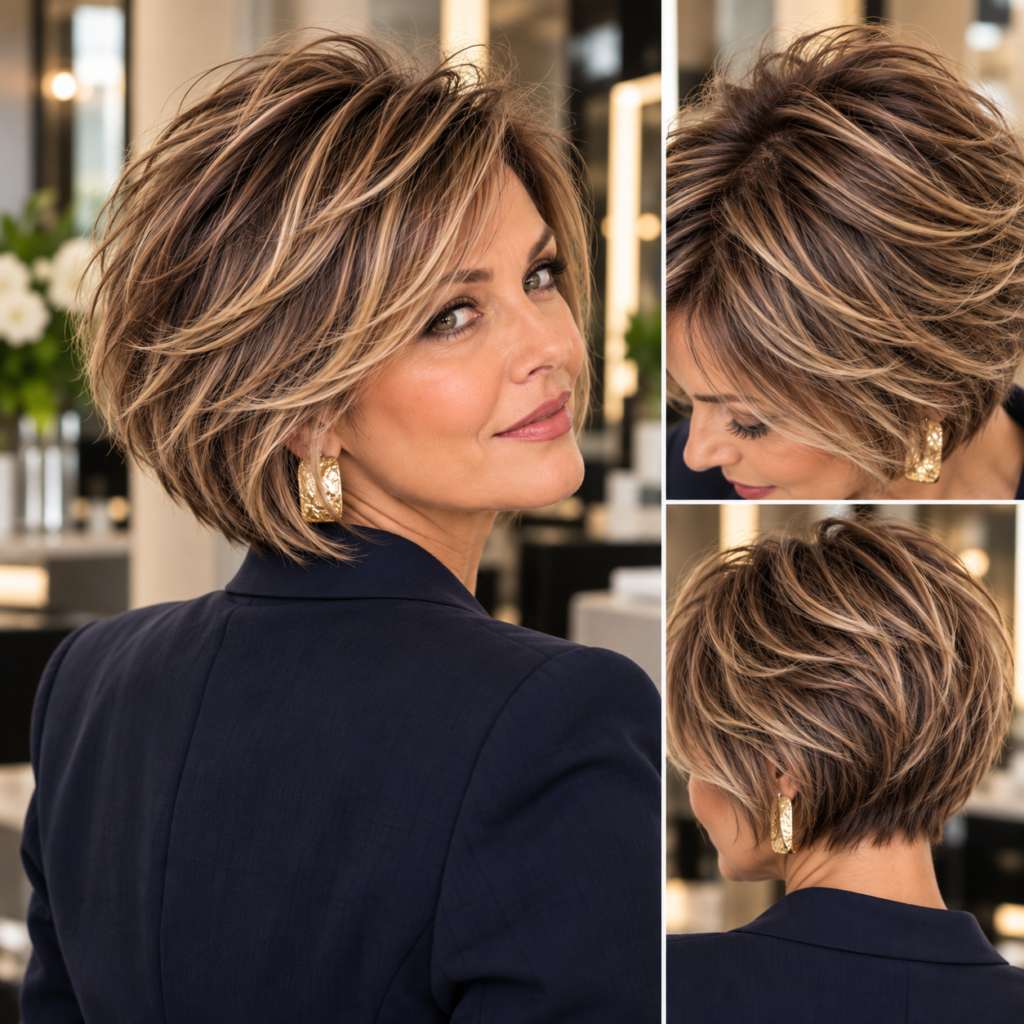
Think strategic layers rather than layers everywhere.
Longer layers can create movement without dramatically reducing the density of the ends. On shorter styles, carefully placed graduation can build shape while keeping the overall silhouette substantial.
The goal isn’t maximum texture.
It’s movement without sacrificing fullness.
2. Thinning the Ends Too Aggressively
Fine hair and bulky hair aren’t the same thing.
Removing weight can work beautifully on thick hair, but aggressive thinning or texturizing can leave naturally fine hair with very little substance at the ends.
The lower edge of a bob, lob, or medium-length haircut may gradually become almost transparent.
And once that happens, adding more volume at the crown doesn’t necessarily solve the problem.
What Works Better
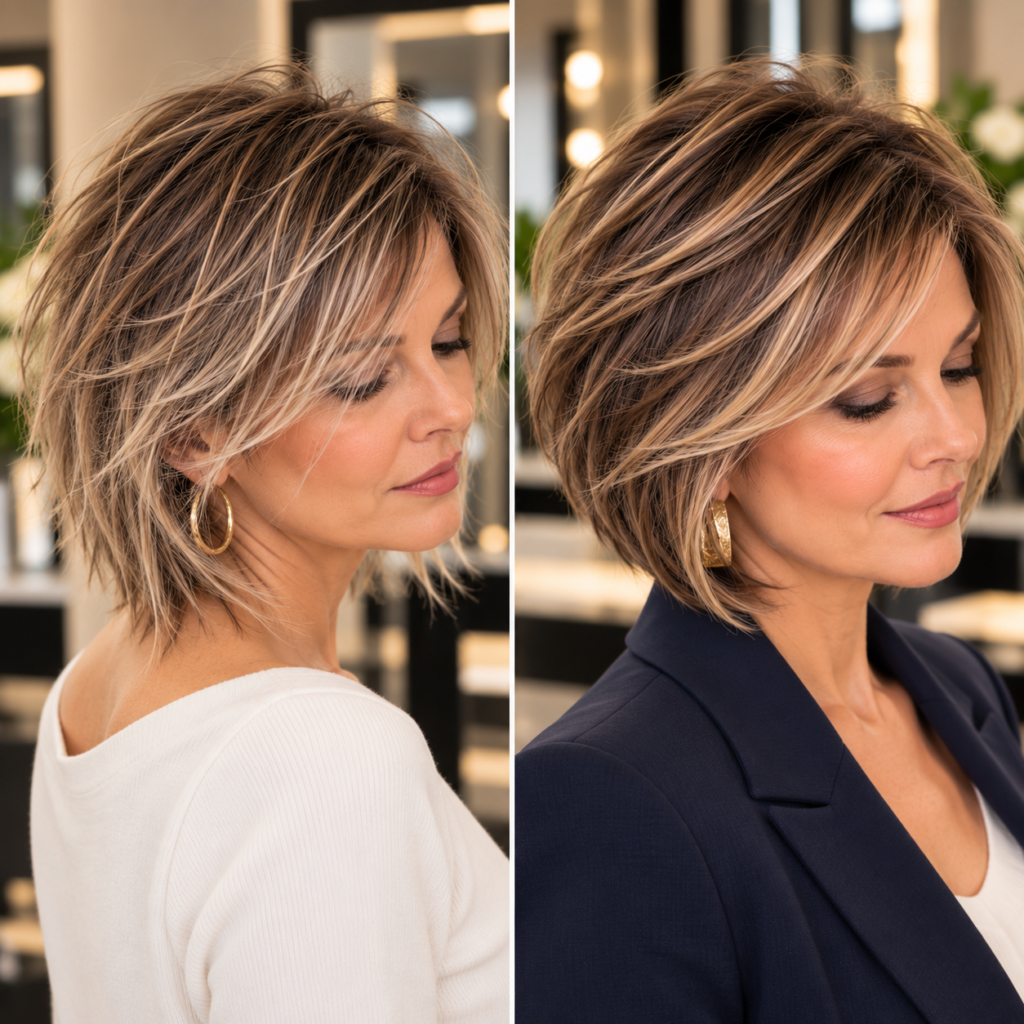
Fine hair often benefits from maintaining a visible, substantial perimeter.
That doesn’t mean the ends have to look rigid or perfectly blunt. A little softness can keep the haircut contemporary.
The difference is subtle but important:
soft edge, strong silhouette — rather than thin edge, maximum texture.
3. Keeping More Length Than Your Hair Can Support
Long hair isn’t automatically bad for fine hair.
But keeping several inches of sparse ends simply because you want to preserve length can sometimes make the entire hairstyle appear thinner.
The eye notices more than crown volume. It also notices the outline created by the ends.
When that outline becomes increasingly transparent, the hairstyle loses some of its visual strength.
What Works Better
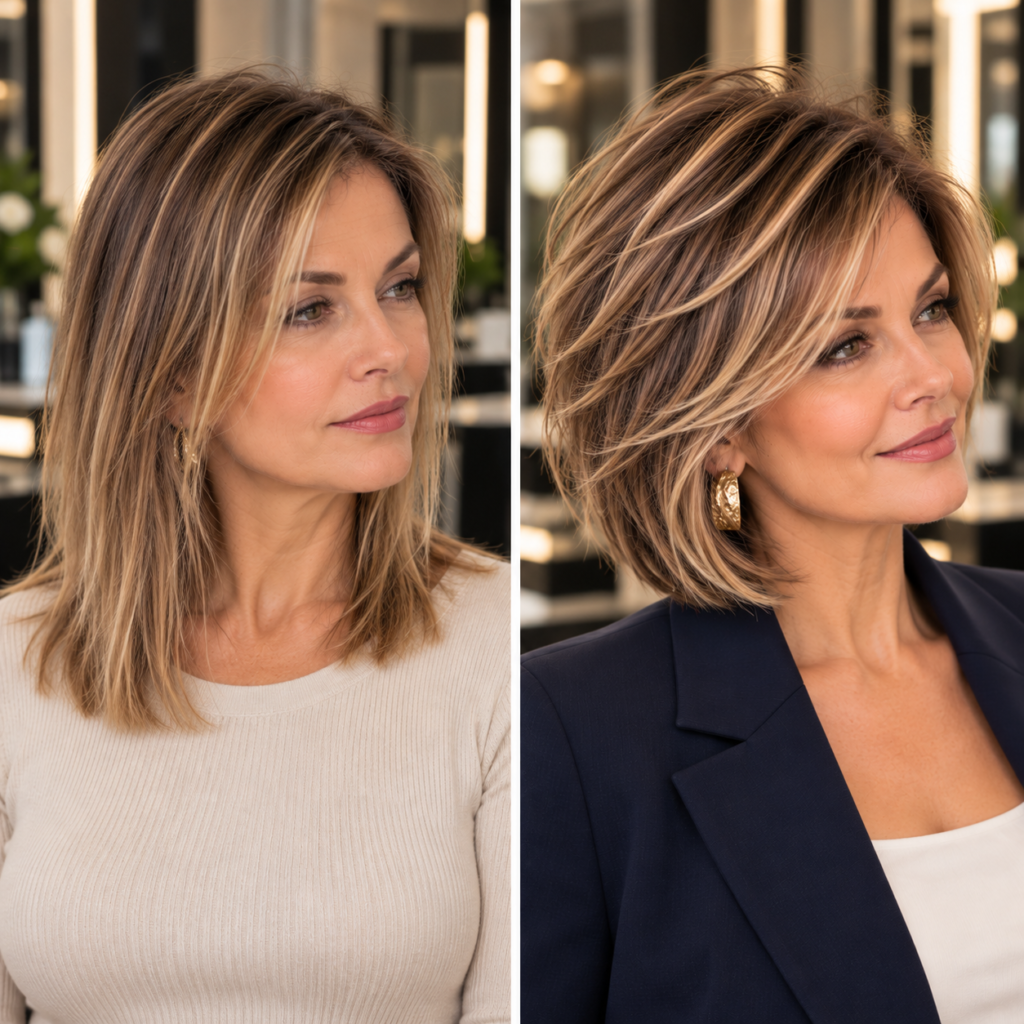
Find the longest point where your hair still creates a convincing shape.
For one woman, that might be a jaw-length bob. For another, it could be a shoulder or collarbone cut.
There isn’t one ideal haircut length for every woman over 50.
A better question is:
Where does my hair still look full through the ends?
Sometimes removing a relatively small amount of length can make the entire haircut appear considerably denser.
4. Cutting the Crown Too Short
When fine hair falls flat at the crown, cutting short layers there can seem like an obvious solution.
And carefully constructed crown layers can certainly help.
The problem begins when those layers become too short or disconnected from the rest of the haircut.
Instead of creating natural fullness, they can produce short pieces that require constant styling while the lower half of the haircut remains flat.
You end up with height rather than fullness.
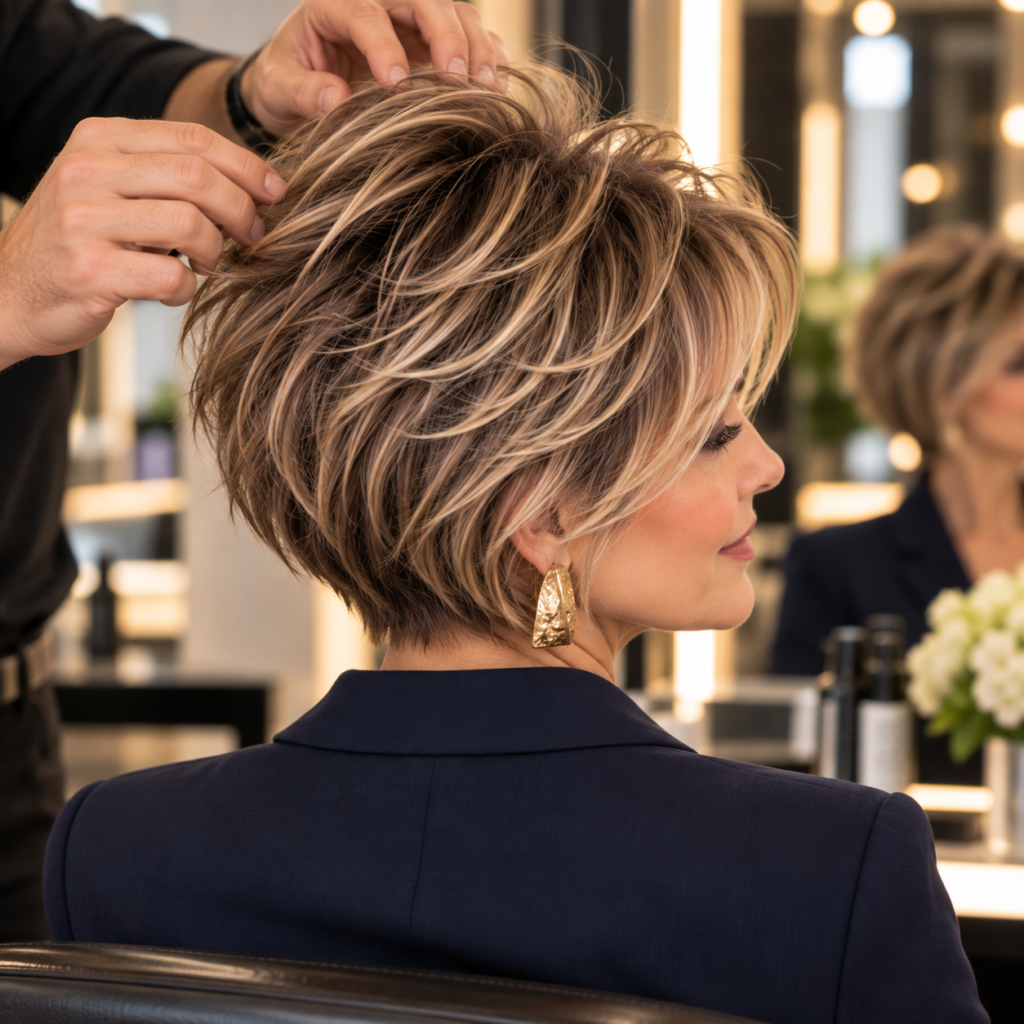
What Works Better
Crown layers should support the overall silhouette.
On a short haircut, subtle graduation through the back can create beautiful structure.
On a bob or medium-length style, longer internal layers may introduce movement without creating an obvious cap of short hair over longer ends.
Ideally, the haircut should already have a balanced shape before you reach for the round brush.
5. Taking Too Much Hair Into the Fringe
A fringe can completely change a haircut.
It can soften the face, emphasize the eyes, and make a simple bob or pixie feel much more contemporary.
But there is an important trade-off with fine hair.
Every section used to create a fringe is hair that is no longer contributing to the sides and front perimeter.
If a very deep section is pulled forward on hair with limited density, the temple and front areas may begin to look less substantial.
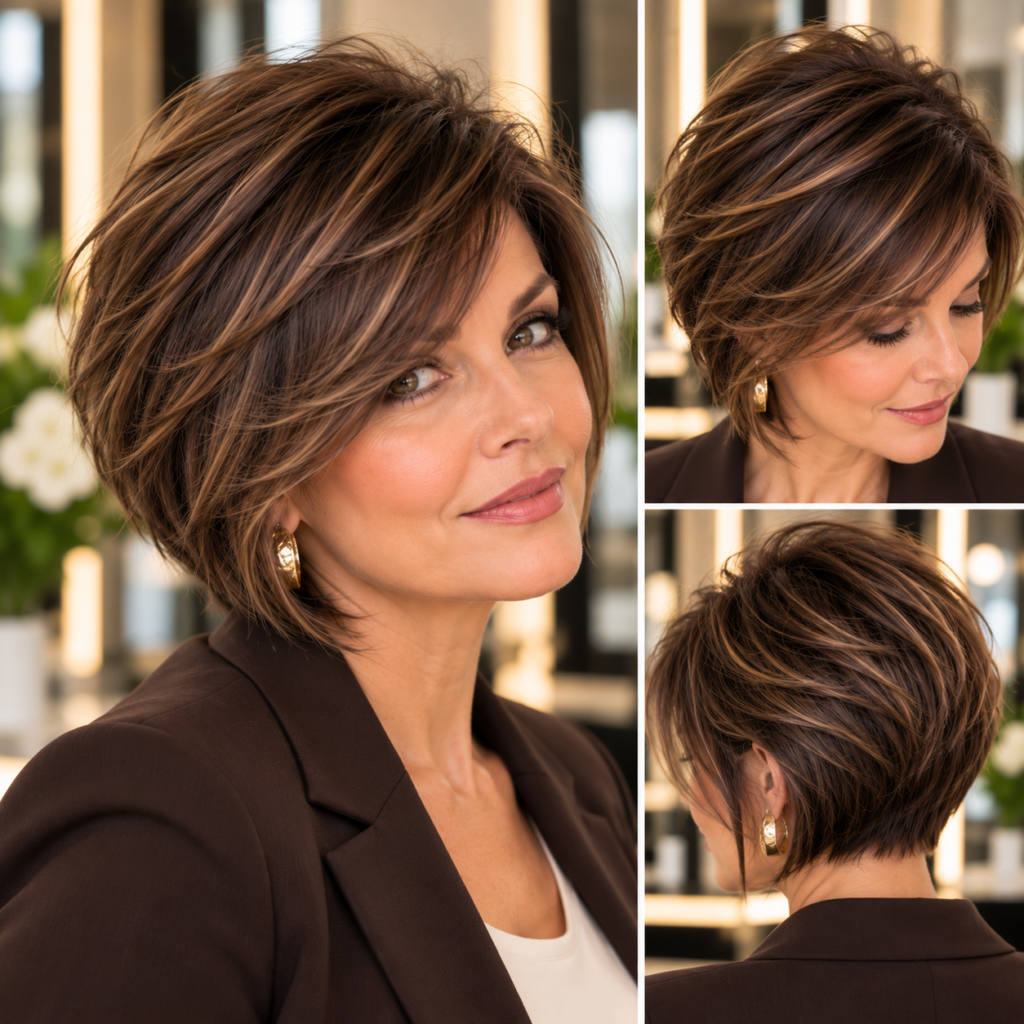
What Works Better
You don’t necessarily need to avoid bangs.
A soft side-swept fringe, light curtain fringe, or shallow face-framing section can give you the effect without taking an excessive amount of hair away from the rest of the haircut.
The depth of the fringe should be adapted to your actual density rather than copied exactly from an inspiration photo.
Your fringe should complement the haircut — not consume the hair needed to support it.
6. Losing the Perimeter
This may be one of the most important details in a haircut for fine hair.
The perimeter is the visible outside edge created by the ends of the haircut.
When that line has enough weight, even relatively fine hair can appear polished and intentional.
When it becomes heavily feathered, shattered, or overly texturized, the ends can start disappearing against your clothing or background.
The result is often a hairstyle that looks thinner than the hair actually is.
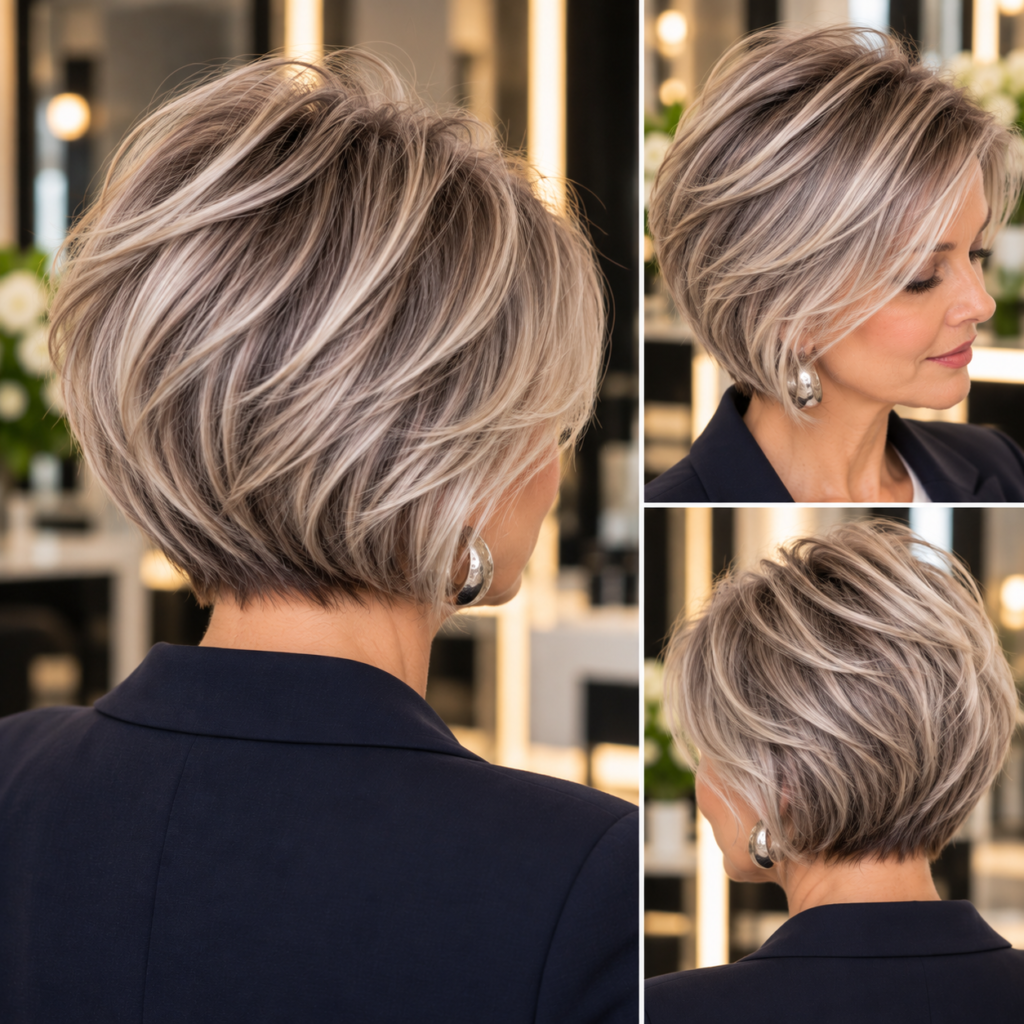
What Works Better
Start by creating a strong foundation.
Then introduce only as much internal movement as the hair can support.
This doesn’t mean everyone with fine hair needs a blunt bob.
A pixie bob, lob, short layered cut, or even a soft shag can still maintain strategic areas of weight.
The secret is deciding where you want movement and where you need density.
7. Choosing the Haircut From a Photo Instead of From Your Hair
This is an easy mistake to make.
You find a gorgeous haircut online. The woman’s face shape looks similar to yours. You love the layers, fringe, and length, so you bring the photograph to your appointment.
But there is something a photograph doesn’t always reveal:
how much hair that person actually has.
Fine hair describes the diameter of individual strands. Hair density describes how many strands are growing across the scalp.
They aren’t the same thing.
One woman may have very fine individual strands but lots of them. Another may have fine strands combined with lower overall density.
The exact same layered haircut can behave very differently on those two heads of hair.
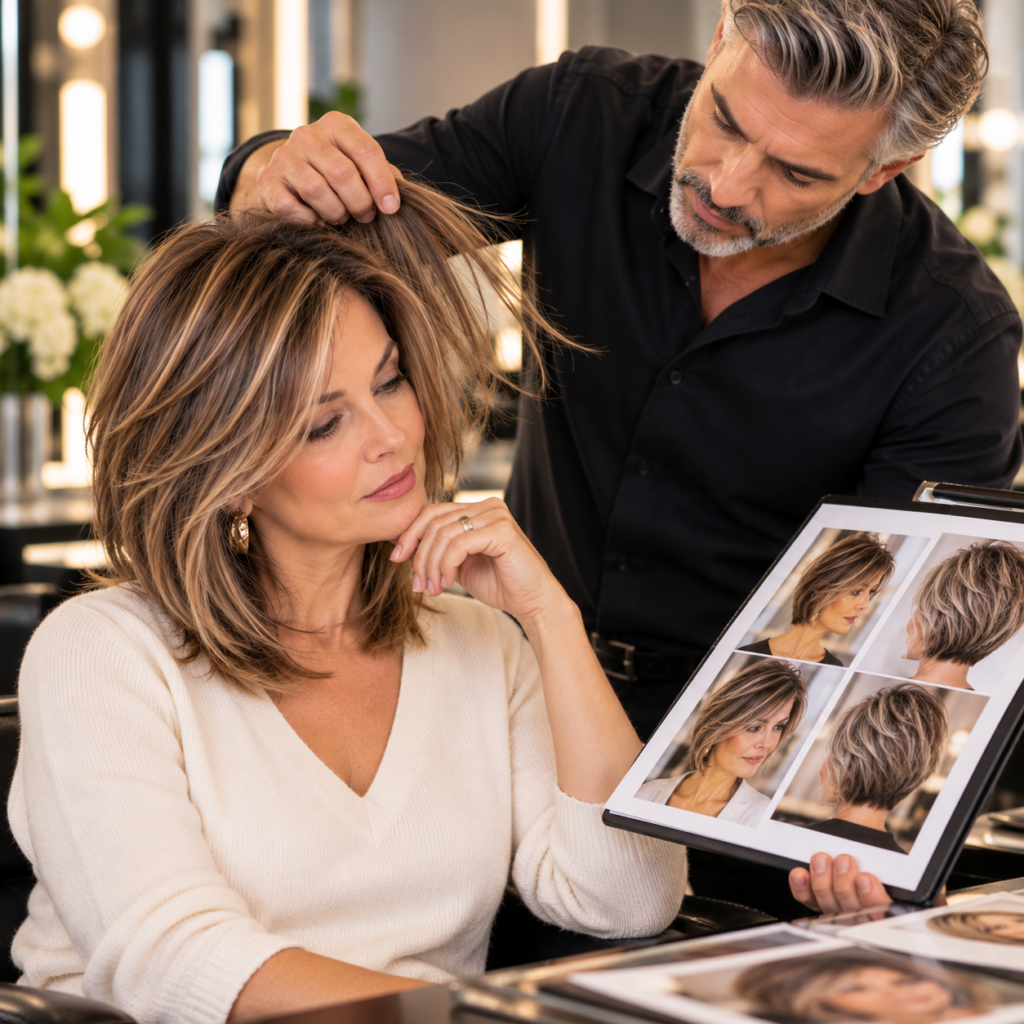
What Works Better
Use inspiration photographs to communicate the shape and feeling you like, rather than treating them as an exact cutting blueprint.
Talk to your stylist about:
- where your hair is naturally densest;
- where it feels thinner;
- whether your ends tend to become fragile;
- how much natural wave or movement you have;
- how you normally style your hair;
- and how much daily maintenance you’re comfortable with.
The best haircut may not be an exact copy of your inspiration photo.
It should be the version of that haircut that works with your hair.
Should Fine Hair Over 50 Be Layered?
Yes — it certainly can be.
Fine hair doesn’t need to be restricted to one-length haircuts. In fact, the right layered haircuts for fine hair over 50 can create movement and shape without sacrificing the fullness you want to preserve.
The key is intentional layering.
Strategically placed layers can introduce movement and help prevent a hairstyle from collapsing against the head. Face-framing pieces can direct attention upward, while carefully constructed graduation can give shorter haircuts a beautiful shape through the back.
What matters is how much weight is removed and where.
Instead of asking:
“Should I have layers?”
consider asking:
“Where can layers create movement without removing the fullness I want to keep?”
That small change in perspective can lead to a very different haircut.
What to Ask Your Stylist
Instead of simply saying, “I want more volume,” explain what you want to preserve as well.
For example:
“I’d like more movement and some lift, but I want the ends to keep looking full. Can we adapt the layering to my hair density?”
Bring inspiration photographs, but treat them as conversation starters.
If a previous haircut left your ends looking noticeably thinner, mention that too. Show your stylist exactly where you felt too much density was removed.
A useful consultation isn’t only about choosing a hairstyle name.
It’s about building the right shape for the hair you actually have.
The Bottom Line
Fine hair can look surprisingly full when a haircut protects the right areas.
Sometimes the answer isn’t adding more layers, more texturizing, or more styling products. It’s creating a stronger overall shape and being selective about where weight is removed.
After 50, when hair texture or density may behave differently than it once did, those details can become even more important.
Keep weight where you want fullness. Add movement where it helps. And let the haircut do as much of the work as possible before styling even begins.