What Makes a Haircut Look Expensive After 50? 7 Details That Matter
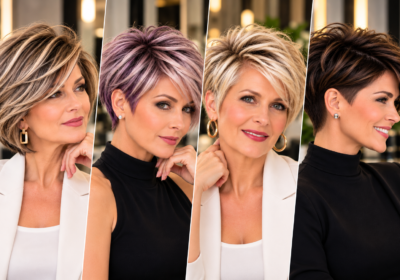
Some haircuts look effortlessly elegant, even without elaborate styling. The shape falls beautifully, the ends look healthy, and every detail seems intentional.
But what actually makes a haircut look expensive?
It isn’t necessarily the price of the salon appointment, the length of the hair, or how much time you spend styling it.
An expensive-looking haircut is usually defined by its shape, balance, condition, and how naturally it complements the person wearing it.
For women over 50, these details can become especially important as hair texture, density, and color change.
The good news? You don’t need a dramatic transformation to achieve a polished, sophisticated look.
Here are seven details that can make a haircut appear more refined, modern, and beautifully maintained.
1. A Beautifully Defined Shape
The first thing that makes a haircut look expensive is its overall silhouette.
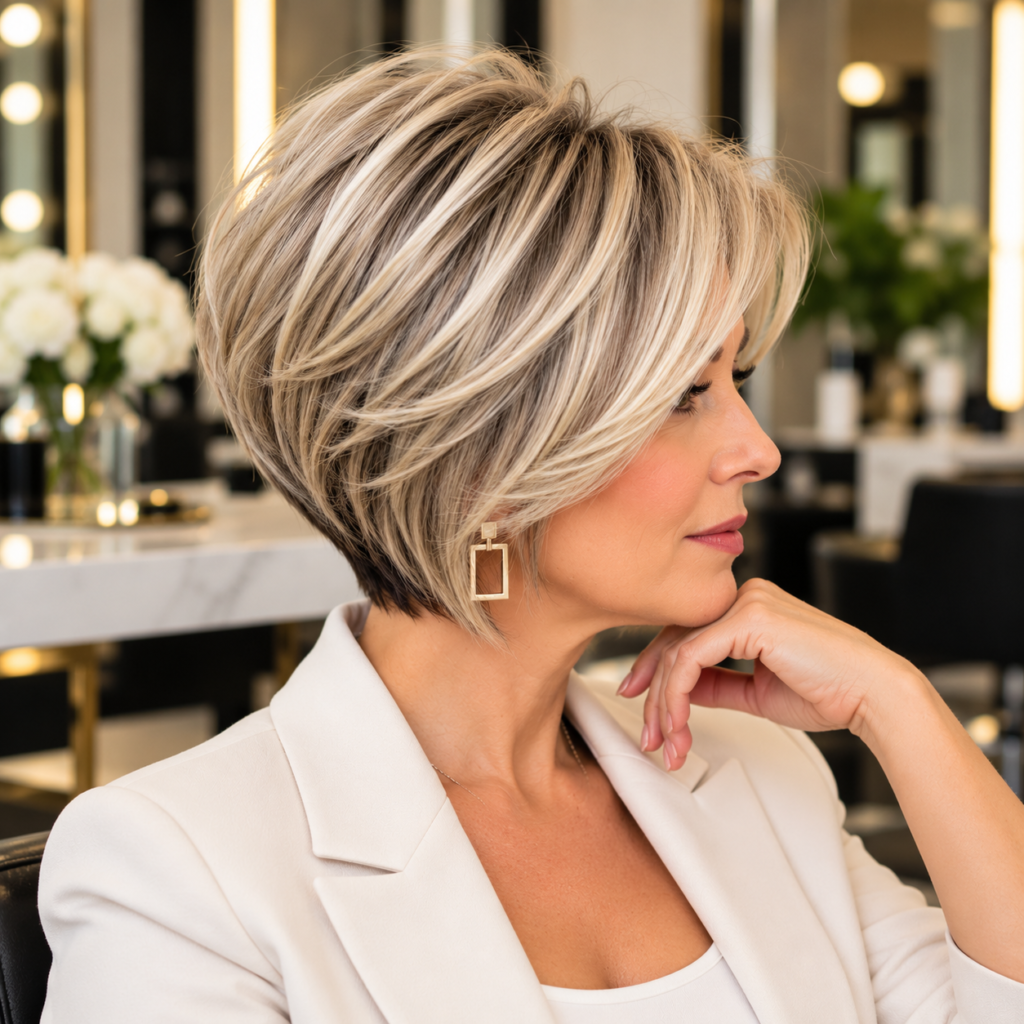
Whether you prefer a short pixie, a classic bob, or a shoulder-length layered cut, the shape should look intentional from every angle.
A polished haircut has a clear structure. The crown, sides, and neckline work together rather than appearing disconnected.
For example, a softly rounded bob can create an elegant profile, while a well-shaped pixie can look sophisticated because of its carefully balanced proportions.
Why it matters: A defined silhouette makes hair look professionally designed, even when the styling is simple.
What to ask your stylist: Request a haircut that maintains its shape as it moves naturally, not one that looks good only immediately after a salon blowout.
For more inspiration, explore our guide to short haircuts that look expensive after 50.
2. Healthy-Looking, Full Ends
One of the most overlooked details of an elegant haircut is the condition of the ends.
When hair looks thin, uneven, or overly feathered at the bottom, the entire hairstyle can lose its polished appearance.
This is particularly relevant for fine hair, where excessive layering may remove valuable density.
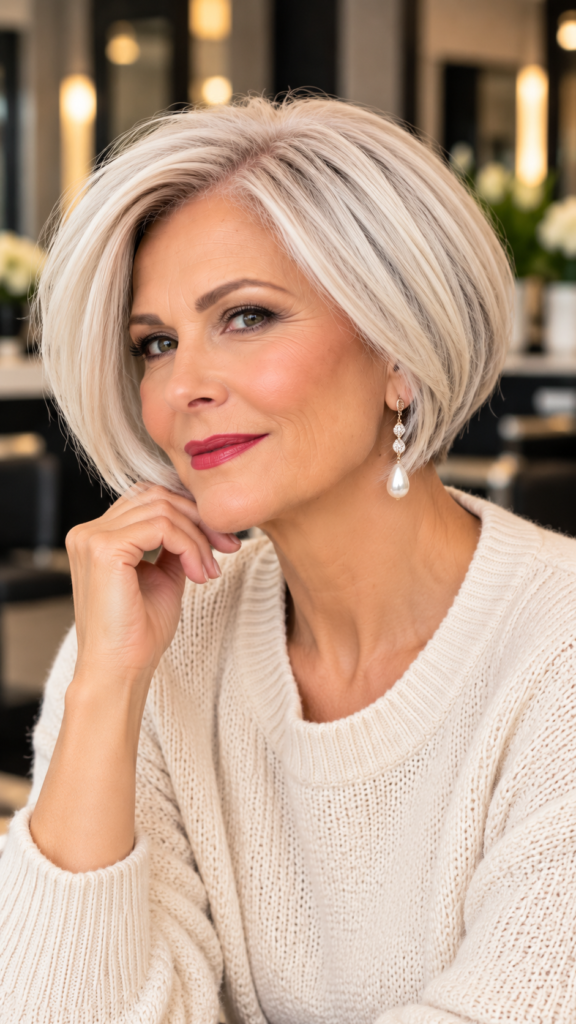
A blunt bob, softly shaped lob, or carefully layered short haircut can look more substantial when enough weight is preserved through the perimeter.
Why it matters: Fuller-looking ends create a cleaner outline and make the haircut appear more intentional.
What to ask your stylist: Discuss how much weight should remain through the ends, especially if your hair is naturally fine.
If maintaining fullness is your priority, our article on short haircuts for thin hair that don’t look flat offers additional ideas.
3. Layers That Have a Purpose
Layers can make a haircut look soft, modern, and beautifully dimensional.
However, more layers don’t automatically mean a better haircut.
The most sophisticated layered hairstyles often use strategic placement rather than excessive cutting.
For example, gentle face-framing layers can soften a shoulder-length style, while controlled graduation can create a rounded shape through the back of a short bob.
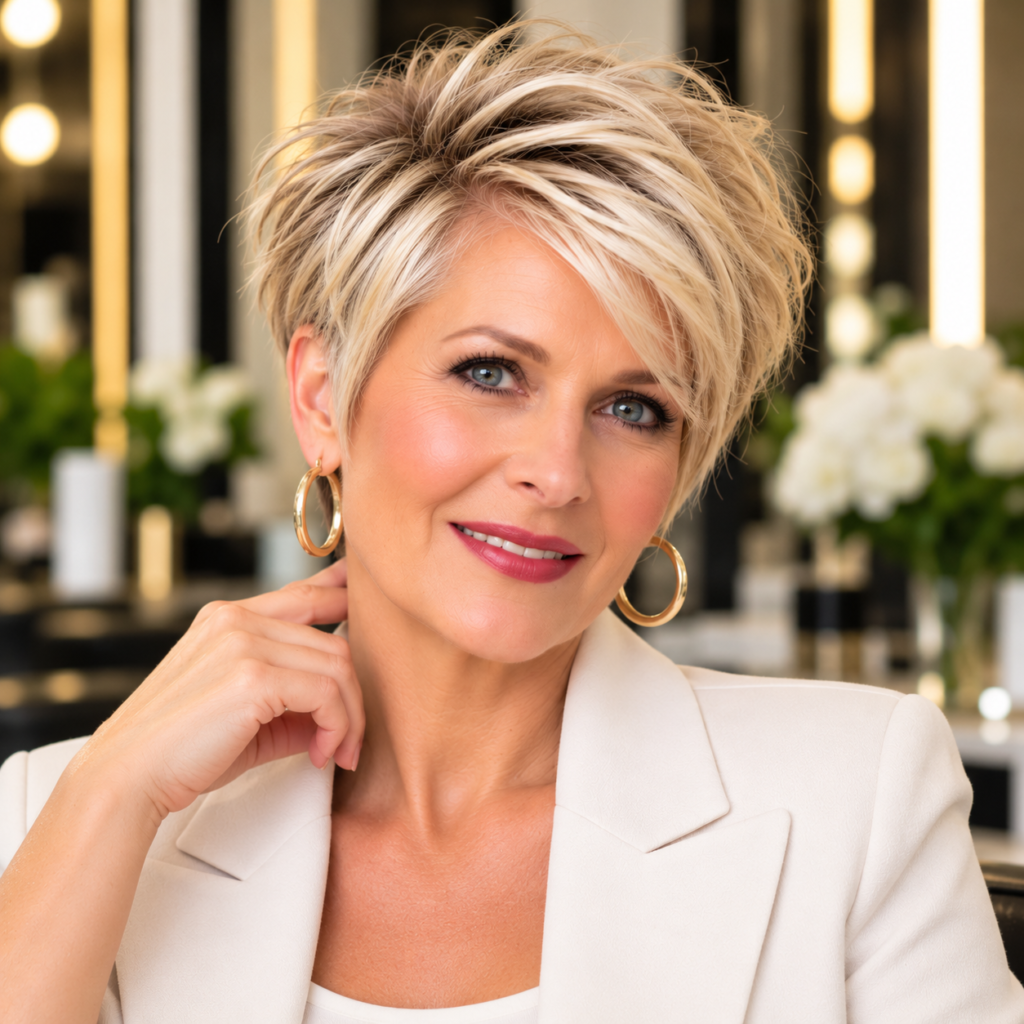
A textured pixie may benefit from movement at the crown, but too much thinning can make fine hair appear less substantial.
Why it matters: Well-placed layers create movement while preserving the haircut’s overall structure.
What to ask your stylist: Request layers that serve a specific purpose, such as improving movement, framing your face, or supporting the crown.
For women with finer hair, see our guide to layered haircuts for fine hair over 50.
4. A Hair Color That Looks Dimensional
An expensive-looking haircut doesn’t require an expensive-looking blonde.
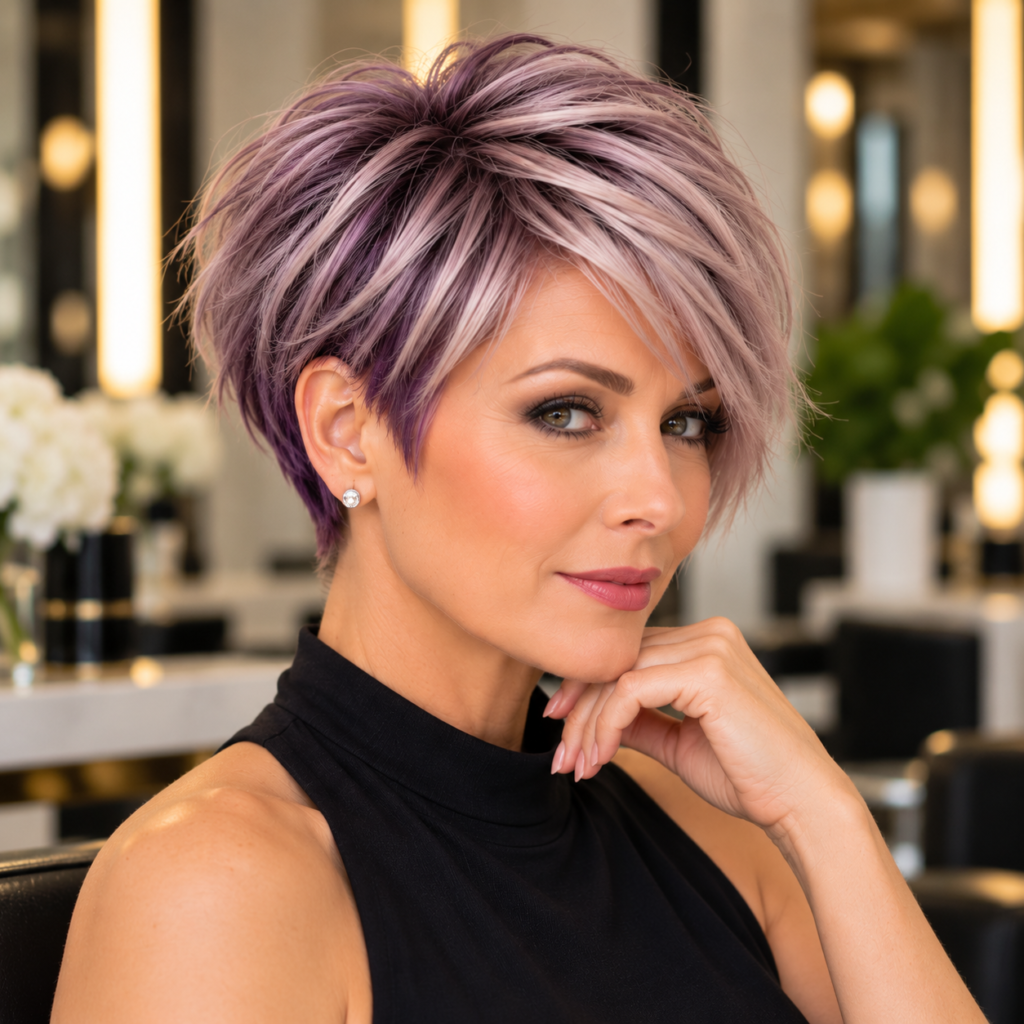
In fact, beautiful brunette, silver, gray, and naturally blended hair colors can look equally sophisticated.
What often creates a premium appearance is dimension.
Soft highlights, subtle lowlights, and balanced tonal transitions can add depth without making the color look overly processed.
For women embracing gray hair, a thoughtful blend between natural silver strands and the remaining pigment can create a particularly elegant result.
The goal is to complement the haircut rather than overwhelm it.
Why it matters: Dimension can emphasize the shape and movement of a haircut while giving the hair a more refined finish.
What to ask your colorist: Discuss shades that complement your complexion, natural color, maintenance preferences, and hair condition.
If you’re considering a softer transition to gray, read our guide to hair colors that blend gray hair beautifully.
5. A Neckline That Looks Intentional
The neckline is one of the details that can distinguish a beautifully executed short haircut.
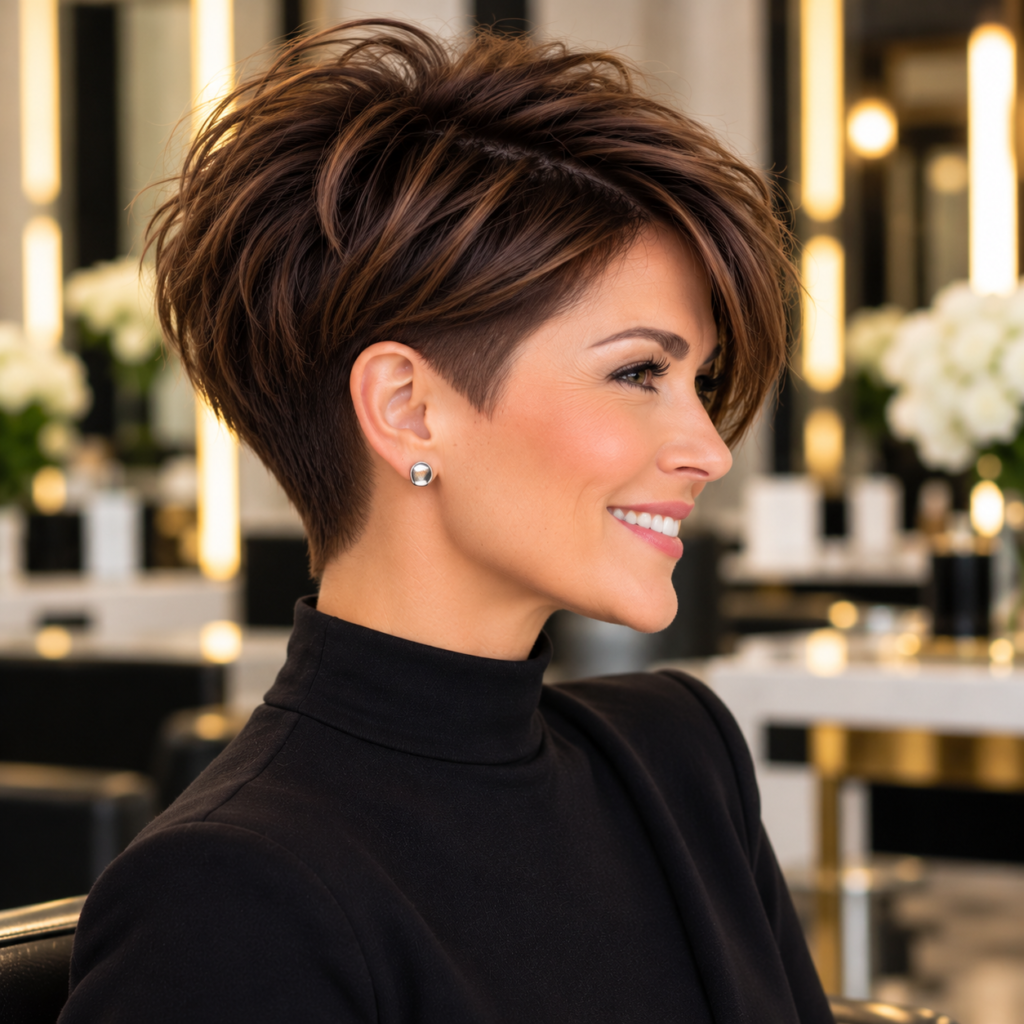
This is especially true for pixies, bixies, and graduated bobs.
A softly tapered nape can create a clean, elegant finish, while a rounded back can make a short haircut look fuller and more balanced.
The ideal neckline depends on the hairstyle, hair texture, and natural growth pattern.
A sharp, heavily sculpted finish isn’t always necessary. Sometimes, a softer outline looks more sophisticated.
Why it matters: A carefully shaped neckline helps the haircut look polished from the back and side, not just from the front.
What to ask your stylist: Ask to see the back of your haircut before leaving the salon and discuss how the neckline will grow out.
A haircut that looks beautiful from every angle is often more satisfying than one designed primarily for a front-facing photograph.
6. Movement Without Excessive Volume
Big hair isn’t automatically luxurious hair.
In many cases, the most elegant hairstyles have controlled volume and natural movement.
A soft bend through a bob, gentle lift at the crown, or relaxed layers around the face can create a refined appearance without excessive teasing or hairspray.
For fine hair, the goal is often to create the impression of fullness while keeping the silhouette balanced.
Too much volume in one area can make the rest of the haircut appear thinner.
Why it matters: Balanced movement helps hair look soft, healthy, and effortless.
What to ask your stylist: Request a shape that works with your natural texture and doesn’t require aggressive styling to maintain.
For additional inspiration, discover haircuts that add volume to thin hair.
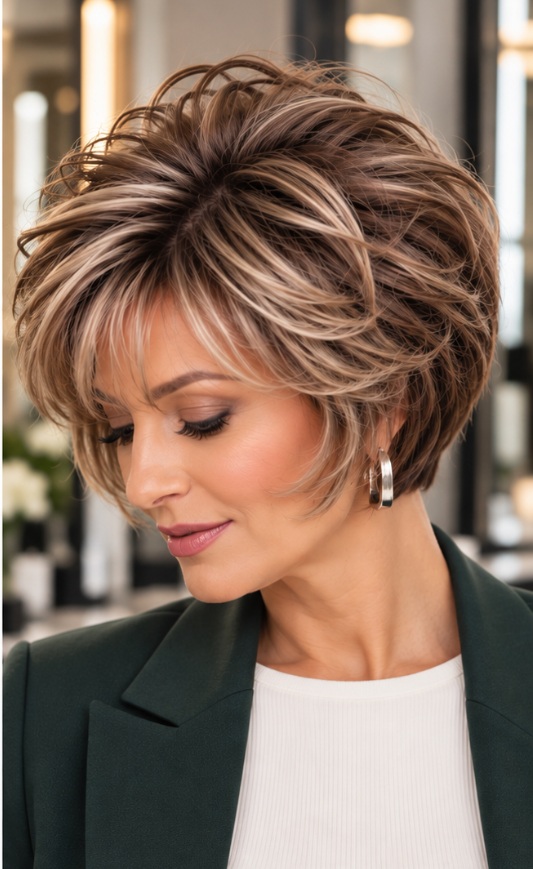
The beauty of a short bob is in the details. – 1
7. A Haircut That Still Looks Good on an Ordinary Day
Perhaps the most important sign of an expensive-looking haircut is how it behaves after you wash it at home.
A beautiful salon finish can make almost any haircut look impressive.
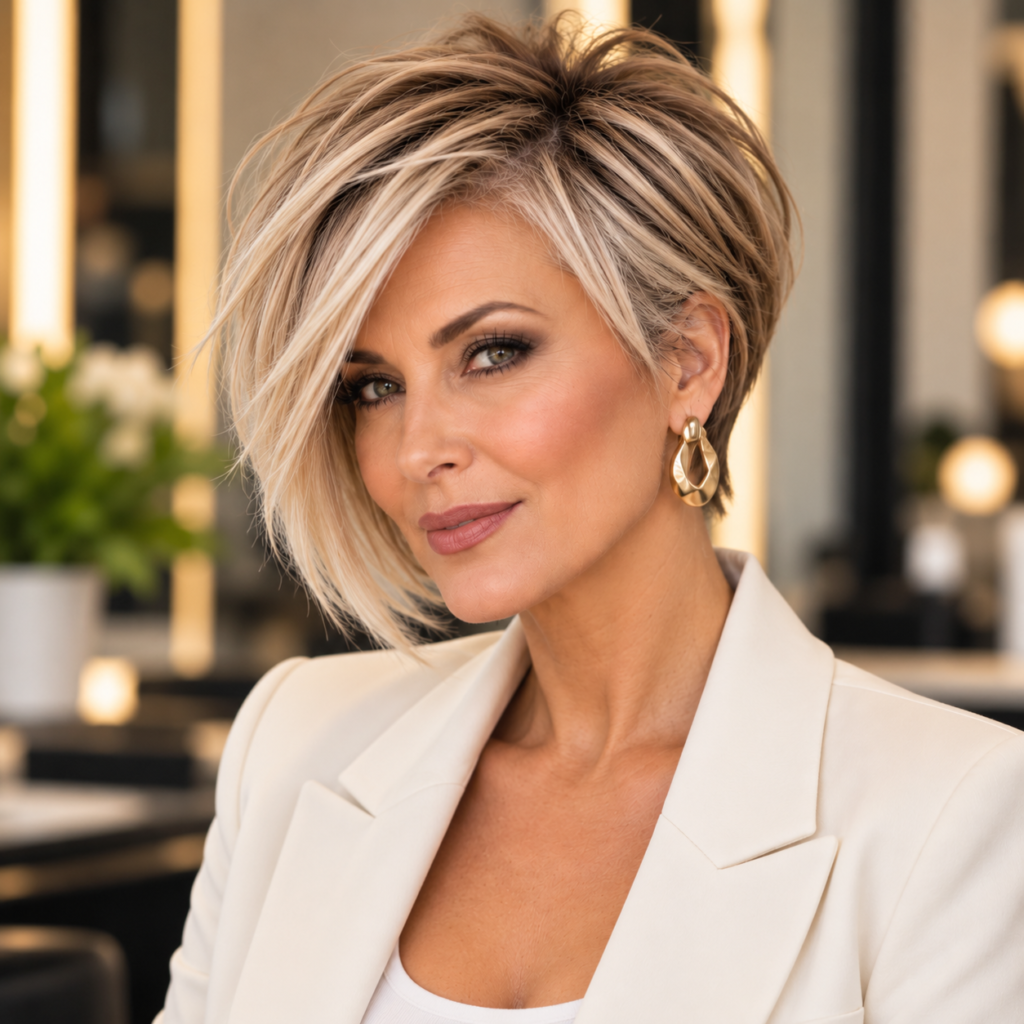
But a truly practical haircut should also complement your natural texture and fit your everyday routine.
That doesn’t mean every hairstyle will look identical without styling.
Instead, the haircut should retain a recognizable shape without requiring excessive heat, products, or complicated techniques.
A softly structured bob, textured pixie, or well-balanced layered cut can often provide a polished foundation with relatively simple maintenance.
Why it matters: A haircut that suits your hair’s natural behavior is easier to keep looking intentional between appointments.
What to ask your stylist: Explain how much time you’re realistically willing to spend styling your hair each morning.
For more practical options, explore our article on haircuts that look good without styling.
Expensive-Looking Haircuts vs. High-Maintenance Haircuts
It’s easy to confuse a luxurious-looking hairstyle with one that requires constant salon visits.
But these aren’t necessarily the same thing.
A haircut can look sophisticated without requiring a complicated routine.
The difference often comes down to thoughtful construction.
An expensive-looking haircut typically has:
- A balanced, recognizable shape.
- Healthy-looking ends.
- Layers that support the overall silhouette.
- Hair color that complements the cut.
- A carefully finished neckline.
- Natural movement.
- A maintenance routine that suits your lifestyle.
A high-maintenance haircut, on the other hand, may require frequent heat styling, precise product application, or regular salon appointments to recreate its original appearance.
Neither approach is inherently wrong.
The best choice is the one that fits your hair, preferences, and daily routine.
Which Haircuts Naturally Look More Polished After 50?
Although the finishing details matter more than any single hairstyle, certain cuts are particularly well suited to a refined appearance.
The Classic Blunt Bob
A clean perimeter and smooth silhouette give this haircut a timeless elegance.
It’s particularly appealing when the ends are kept healthy and substantial.
The Softly Rounded Pixie
A rounded pixie with controlled texture can look feminine and sophisticated without excessive styling.
The Graduated Bob
A carefully shaped back creates structure and an elegant side profile.
The Collarbone-Length Lob
A softly shaped lob offers versatility while maintaining a polished outline.
The Modern Layered Cut
Longer layers and gentle face-framing can create movement without sacrificing the overall shape.
The Textured Bixie
A bixie combines the structure of a short haircut with the softness of longer sections around the face.
The most flattering option will depend on your hair density, natural texture, face shape, and styling preferences.
Common Mistakes That Can Make a Haircut Look Less Polished
Even a beautiful haircut can lose its refined appearance when certain details are overlooked.
Too much thinning: Removing excessive density can make the ends appear sparse, particularly on fine hair.
An unbalanced silhouette: Too much volume at the crown or sides can disrupt the haircut’s proportions.
Overly dramatic color contrast: Strong highlights aren’t necessarily unflattering, but poorly blended color can distract from the haircut’s shape.
A neglected neckline: Short haircuts often lose their structure as the nape grows out.
Styling against natural texture: A haircut that constantly fights your hair’s natural movement may require more maintenance than expected.
Choosing a cut only from a photograph: Hair density, growth patterns, and texture can significantly affect how a style looks on different people.
The goal isn’t perfection. It’s a haircut that feels balanced, flattering, and intentionally designed.
How to Ask Your Stylist for a More Expensive-Looking Haircut
You don’t need to use complicated salon terminology.
Instead, focus on the result you want.
Try explaining that you’re looking for a haircut with a polished shape, healthy-looking ends, and natural movement.
Bring reference photos that show the front, side, and back of the hairstyle.
Ask how the cut will work with your hair’s density and natural texture.
If you have fine hair, discuss how to preserve fullness through the ends.
If you’re considering highlights, ask how the color can emphasize the haircut’s shape without requiring more maintenance than you’re comfortable with.
Most importantly, be realistic about your styling routine.
A beautiful haircut should work for your everyday life, not only for special occasions.
Final Thoughts
What makes a haircut look expensive after 50 isn’t the price tag.
It’s the attention to detail.
A balanced silhouette, healthy-looking ends, purposeful layers, dimensional color, and a carefully shaped neckline can transform even a simple hairstyle into something beautifully refined.
And perhaps the most luxurious detail of all is choosing a haircut that works naturally with your hair.
Because truly elegant hair doesn’t have to look complicated. It simply has to look intentional.