10 Low-Maintenance Haircuts That Still Look Good as They Grow Out
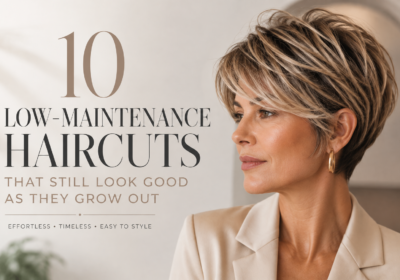
A great haircut shouldn’t have an expiration date three weeks after your salon appointment.
The best low-maintenance haircuts are designed to soften as they grow while keeping their shape without constant trims or complicated styling. Instead of relying on ultra-precise lines, these cuts use thoughtful length, subtle layering, and natural movement to make the in-between stages look intentional.
Whether you prefer short hair, a classic bob, or something closer to shoulder length, these 10 haircuts can give you more time between salon visits without sacrificing style.
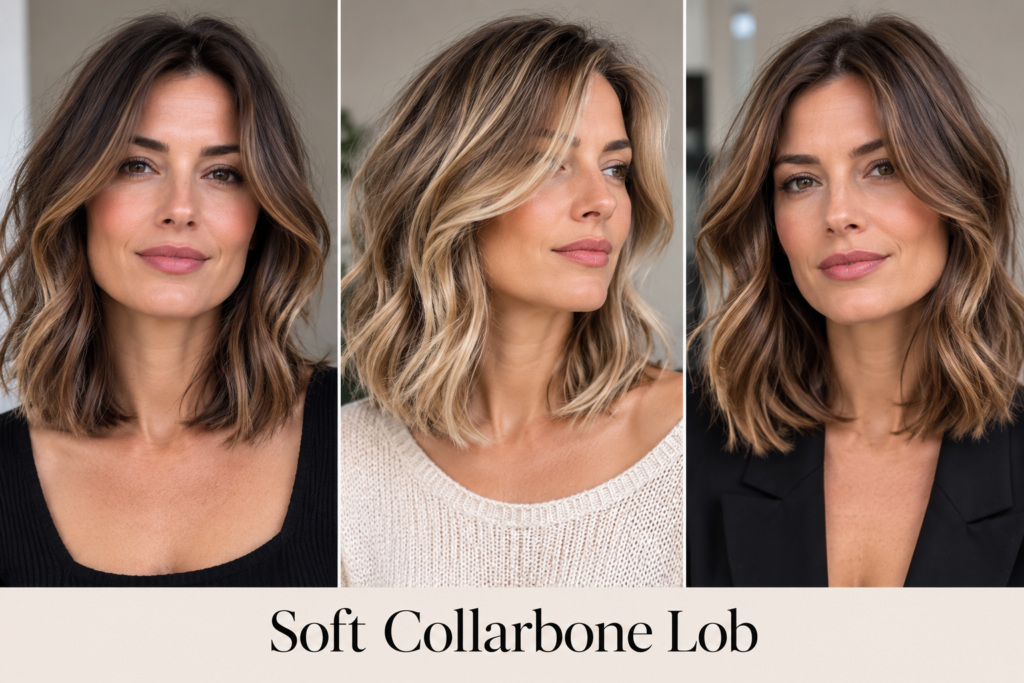
1. Soft Collarbone Lob
The soft collarbone lob is one of the easiest haircuts to maintain because it has plenty of room to evolve as your hair grows.
Unlike a sharply structured bob, a softer lob doesn’t depend on an exact hemline. As the ends move farther below the collarbone, the haircut gradually begins to resemble a longer midi style rather than an overgrown bob.
A small amount of movement around the front keeps the shape flattering without introducing short layers that need frequent reshaping.
Why It Grows Out Well
The overall silhouette stays balanced even as several centimeters of length are added.
Best for: Straight, slightly wavy, fine-to-medium, or medium-density hair.
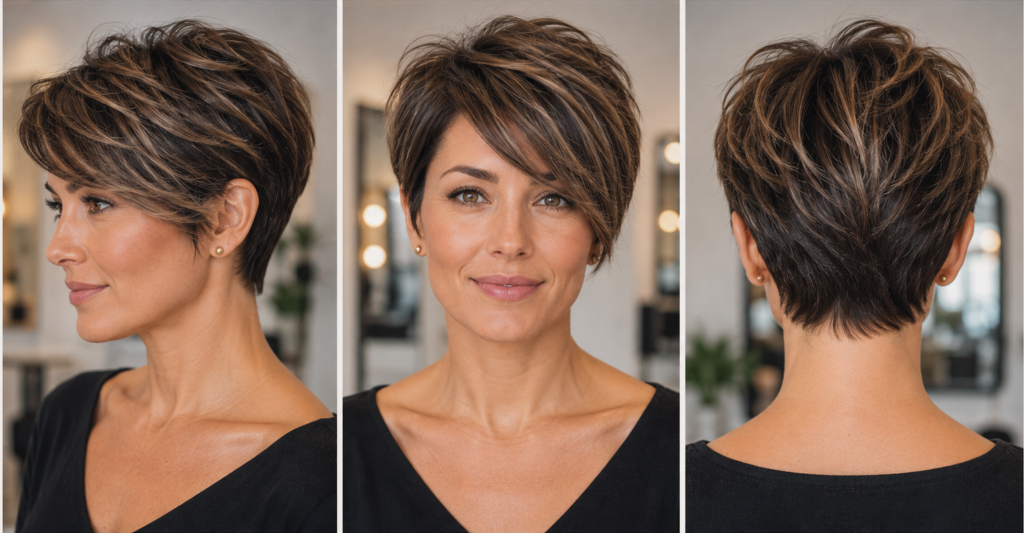
2. Long Pixie With Side-Swept Bangs
The secret to a lower-maintenance pixie is leaving a little extra length.
A long pixie with side-swept bangs has enough softness around the crown, sides, and fringe to accommodate growth without immediately losing its shape.
As the fringe becomes longer, it can simply be swept farther to the side or tucked behind the ear. Meanwhile, the longer top can gradually transition toward a bixie.
Why It Grows Out Well
There is no ultra-short fringe or severely cropped top that needs constant reshaping.
Best for: Straight to softly wavy hair and anyone who wants short hair without extremely frequent salon visits.
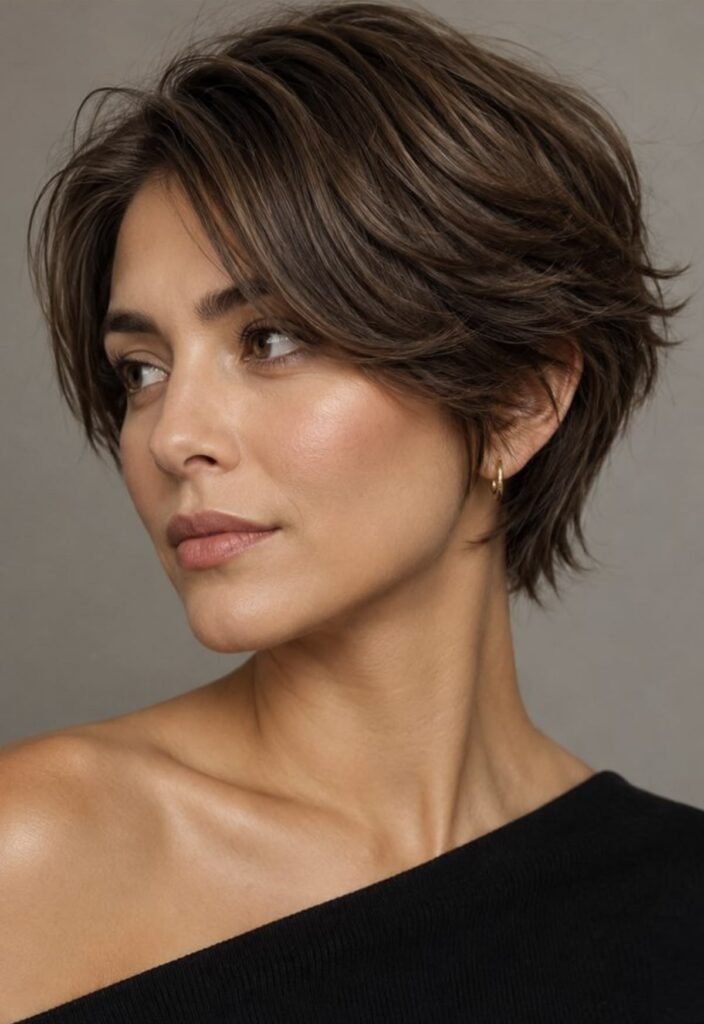
3. Airy Bixie Cut
Sitting somewhere between a bob and a pixie, the airy bixie already has an intentionally relaxed shape.
For a more forgiving version, keep the crown airy, the perimeter soft, and the layers blended rather than dramatically disconnected.
As those layers grow, the haircut gradually becomes fuller and more bob-like instead of simply looking overgrown.
Why It Grows Out Well
Its combination of different lengths allows several stages of growth to look intentional.
Best for: Fine-to-medium hair that benefits from movement and soft crown volume.
4. Softly Layered Bob
Not every bob needs a perfectly blunt edge.
A softly layered bob keeps the recognizable bob silhouette while introducing subtle movement through the ends. That softness becomes particularly useful several weeks after your haircut.
Instead of revealing an obviously grown-out geometric line, the ends continue to fall naturally around the jaw and neck.
Why It Grows Out Well
Subtle layering helps disguise small changes in length and weight distribution as the hair grows.
Best for: Straight, wavy, and medium-to-thick hair.
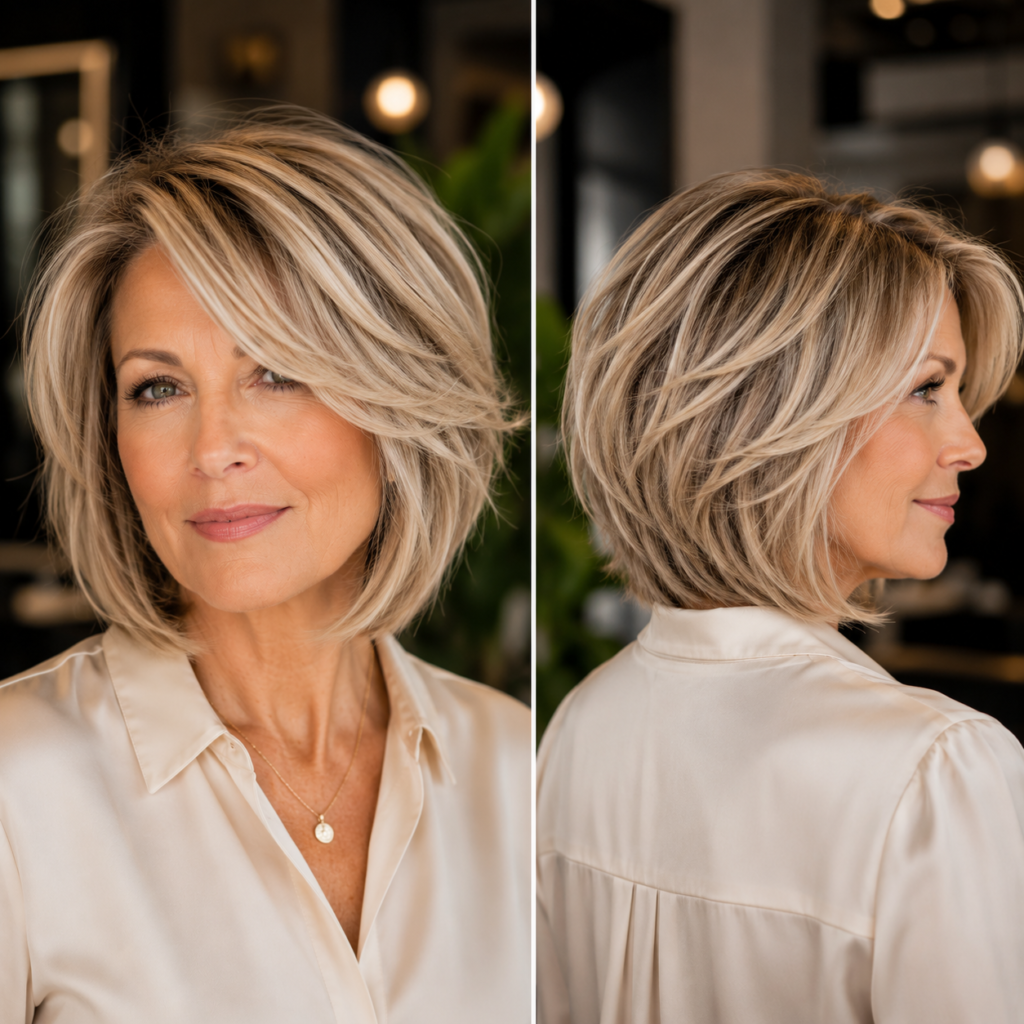
5. Shoulder-Length Cut With Long Layers
If frequent trims aren’t your thing, longer layers are generally easier to maintain than short, highly defined ones.
At shoulder length, long layers introduce movement while preserving enough weight to keep the overall shape intact.
Several weeks later, those layers simply sit slightly lower rather than completely changing the architecture of the haircut.
Why It Grows Out Well
The difference between the shortest and longest sections remains subtle, allowing the haircut to evolve naturally.
Best for: Medium to thick hair, especially hair with some natural movement.

6. Soft Shag With Long Fringe
A shag is one of those rare haircuts that can actually become more interesting with a little growth.
The key is choosing a soft shag rather than an extremely disconnected version. Longer layers, gentle crown movement, and a relaxed fringe create that lived-in effect without making the haircut dependent on frequent reshaping.
A longer fringe is particularly useful because it can gradually transition from bangs into face-framing layers.
Why It Grows Out Well
A slightly undone finish is already part of the haircut’s character, so a little additional length doesn’t immediately make the style look neglected.
Best for: Naturally wavy or textured hair and anyone who prefers a relaxed finish.
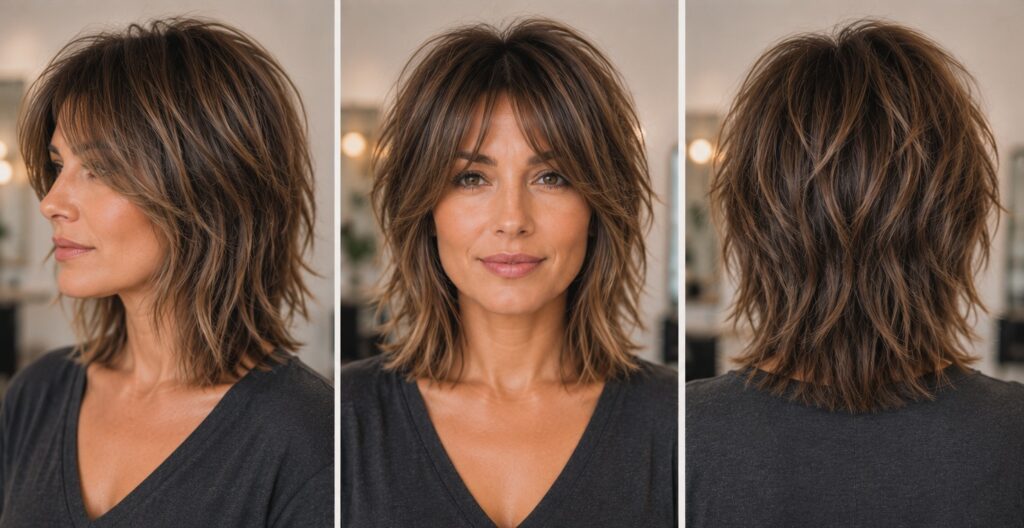
7. Textured French Bob
A razor-sharp French bob can require regular maintenance. A softer, more textured interpretation is considerably more forgiving.
Keep the perimeter relaxed rather than perfectly blunt and allow natural movement through the ends.
As the bob grows beyond the jaw, it begins transitioning into a slightly longer textured bob rather than looking like a haircut that simply missed its appointment.
Why It Grows Out Well
Texture prevents the haircut from depending on one exact length or perfectly precise perimeter.
Best for: Straight-to-wavy hair and naturally tousled textures.
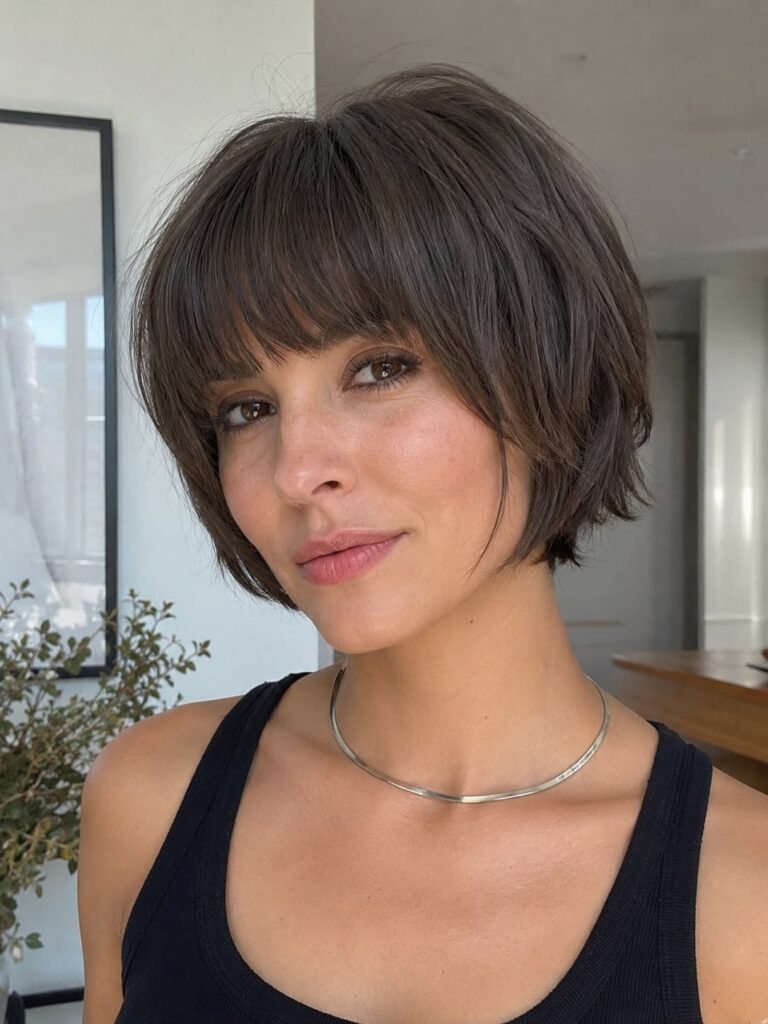
8. Midi Cut With Face-Framing Layers
The midi cut occupies that easy territory between a lob and genuinely long hair.
Keeping most of the length intact while concentrating movement around the face makes this style particularly easy to maintain.
Longer face-framing pieces can gradually move downward without disrupting the rest of the haircut. It’s also an excellent choice if you’re deliberately trying to grow your hair longer.
Why It Grows Out Well
The main perimeter changes very little while the front layers gradually blend into the increasing length.
Best for: Almost every hair texture, particularly anyone transitioning from medium to longer hair.
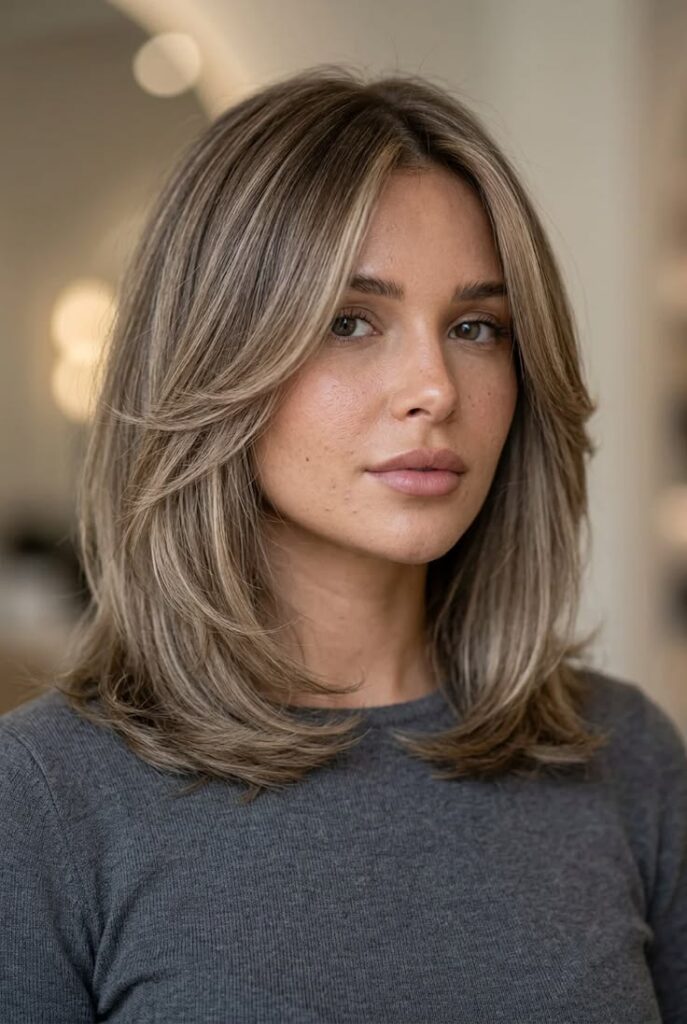
9. Long Bixie With Tapered Sides
If you love short hair but dislike that obvious “I need a haircut” stage, consider a long bixie with softly tapered sides.
Instead of clipping the sides extremely close, keep them soft while leaving enough length through the top and crown to create natural movement.
This gives the haircut room to expand without developing a dramatic contrast between an overgrown top and previously very short sides.
Why It Grows Out Well
The gradual taper creates a smoother transition as the sides become longer.
Best for: Fine-to-medium hair and anyone transitioning between a pixie and bob.
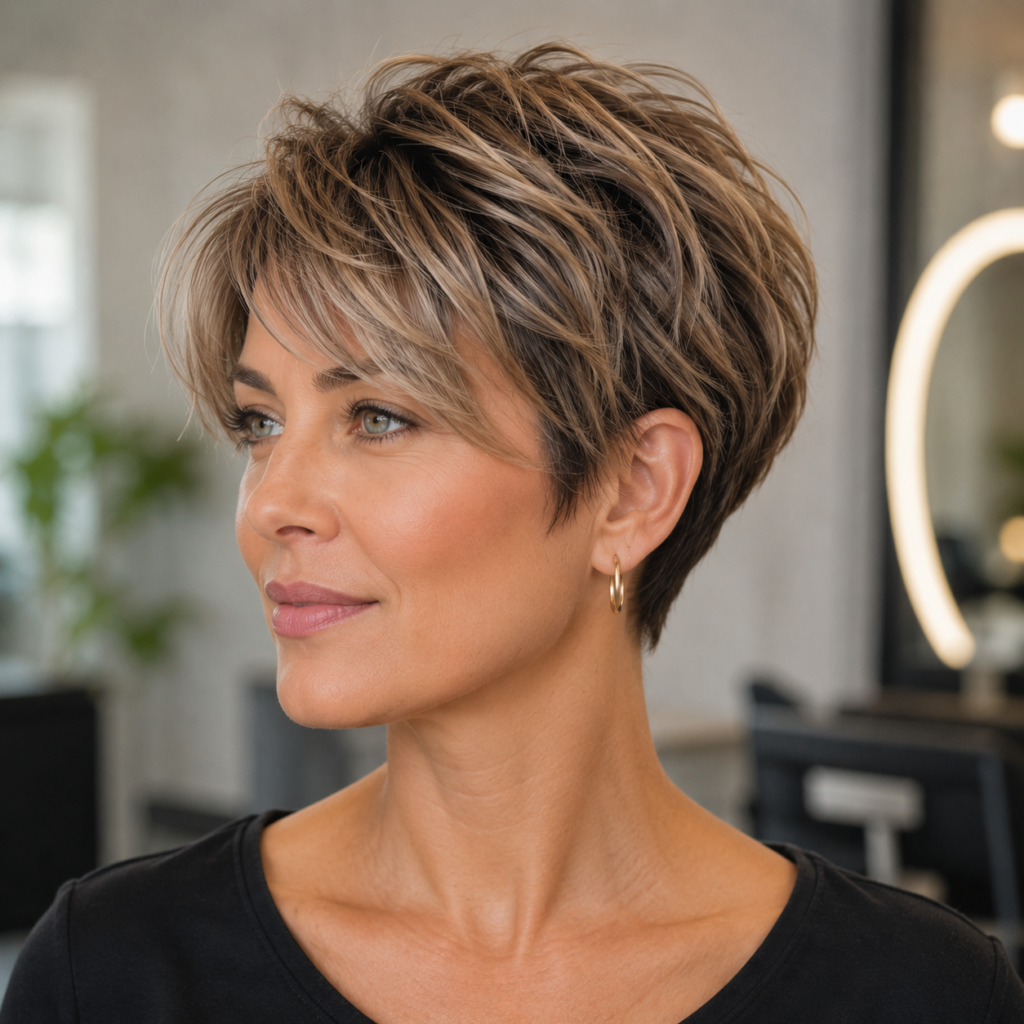
10. One-Length Shoulder-Grazing Bob
Sometimes simplicity is the best low-maintenance strategy.
A shoulder-grazing bob with minimal layering doesn’t contain numerous different lengths that need to remain perfectly balanced. As it grows, it simply becomes a slightly longer one-length haircut.
It can also be worn straight, softly waved, tucked behind the ears, or pulled into a small ponytail once additional length develops.
Why It Grows Out Well
There is very little internal structure to become visibly overgrown.
Best for: Straight, wavy, fine, medium, and moderately thick hair.

What Makes a Haircut Grow Out Well?
Length alone isn’t what makes a haircut low maintenance.
The most forgiving haircuts generally combine soft perimeters, blended layers, longer fringe areas, and enough weight to maintain their silhouette as the hair becomes longer.
Very precise details tend to reveal growth much faster. These can include:
- micro bangs;
- extremely short napes;
- sharply shaved sections;
- dramatic undercuts;
- highly geometric perimeters.
That doesn’t make them bad haircuts. They simply require a different maintenance schedule.
If your goal is to extend the time between salon appointments, tell your stylist that how the haircut grows out is just as important to you as how it looks on day one.
How Often Should You Trim a Low-Maintenance Haircut?
There isn’t one perfect schedule for everyone.
A short haircut may begin changing noticeably after six to eight weeks, while a lob or shoulder-length style may remain comfortable considerably longer.
Hair texture, density, damage, styling habits, and the original shape of the cut can all affect how quickly you feel ready for another appointment.
Instead of automatically booking according to the calendar, pay attention to the haircut itself.
If your hair still falls well, styles easily, and maintains a balanced silhouette, you may not need a trim yet.
Are Layers or One-Length Cuts Easier to Grow Out?
Both can work beautifully, but the type of layering matters.
Long, blended layers generally transition smoothly because the differences between lengths remain subtle. Very short or disconnected layers can become more obvious as they grow.
One-length cuts are another excellent option because there are fewer internal sections that need to remain balanced.
The best choice ultimately depends on your hair texture, density, and the finished shape you want.
Which Short Haircuts Need the Least Maintenance?
If you want short hair without constant salon appointments, look for styles with soft edges and a little extra length.
Long pixies, airy bixies, softly layered bobs, and textured French bobs usually provide more flexibility than extremely cropped pixies or highly geometric short cuts.
Leaving slightly more length around the fringe, ears, and nape can also make the transition between appointments feel less obvious.
The Bottom Line
The best low-maintenance haircut isn’t necessarily the simplest haircut.
It’s a cut designed with the next several weeks in mind — not just the moment you leave the salon.
If you want fewer appointments, ask your stylist for softer transitions, blended layers, and a shape that can evolve gracefully.
A haircut that looks slightly different after eight weeks but still looks intentional is doing exactly what a great low-maintenance haircut should do.