9 Short Haircuts That Look Expensive After 50 — Without High-Maintenance Styling
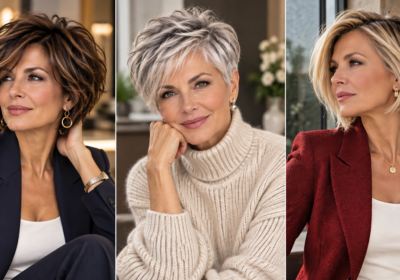
Looking polished after 50 doesn’t mean spending an hour styling your hair every morning. In fact, some of the most sophisticated short haircuts rely less on complicated styling and more on good shape, strategic layering, and a strong silhouette.
The right short cut can make hair look healthier, create movement where you need it, and maintain its shape even on days when you do little more than brush it into place.
If you want a haircut that feels modern, elegant and expensive without demanding constant salon-level styling, these nine ideas are worth considering.
1. Polished Textured Bixie
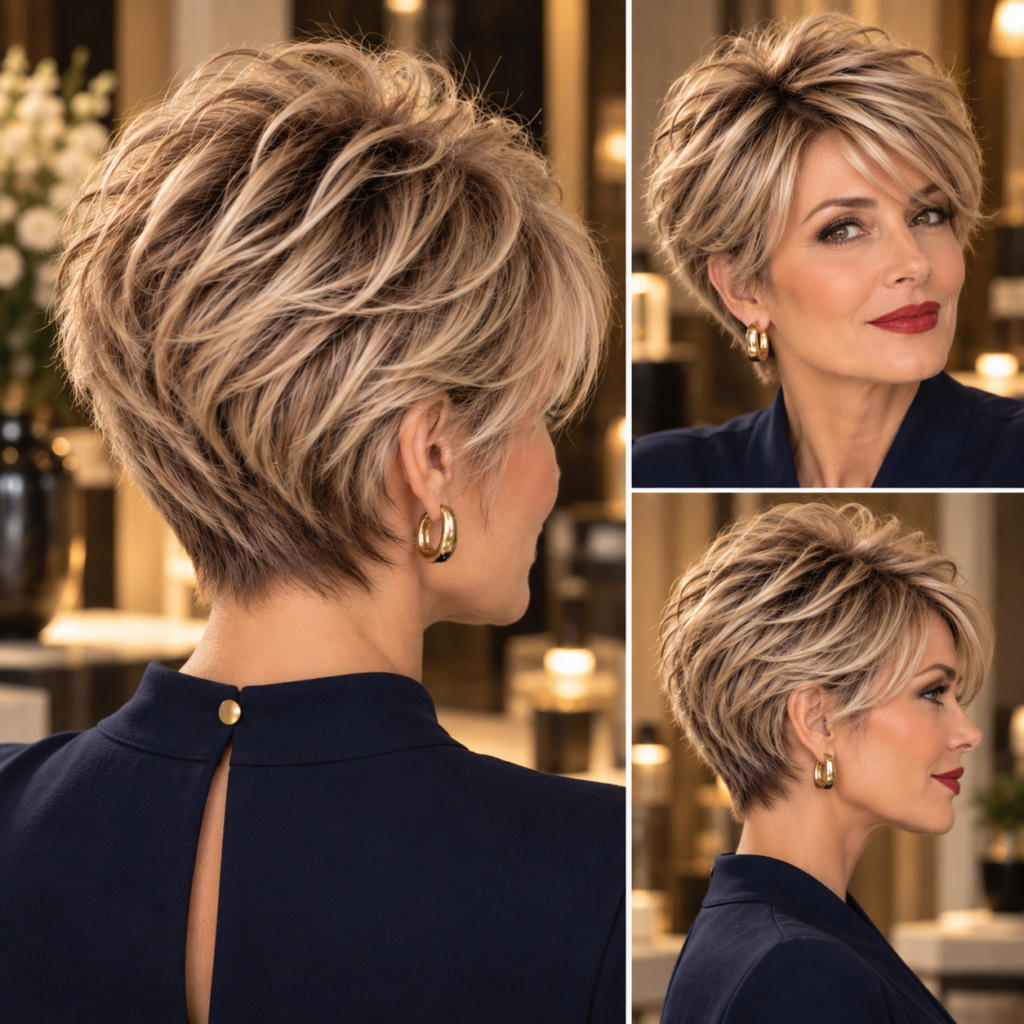
A textured bixie combines the lightness of a pixie with just enough length to create softness around the face.
The key to making this cut look sophisticated rather than overly tousled is controlled texture. Longer pieces through the crown and front create movement, while a neat neckline keeps the overall silhouette polished.
For women with fine or medium hair, this shape can also create the impression of greater density without relying on excessive volume.
Why it works: the haircut already contains its shape, so styling can be as simple as directing the front pieces with your fingers and adding a small amount of lightweight texture product.
2. Soft French Bob
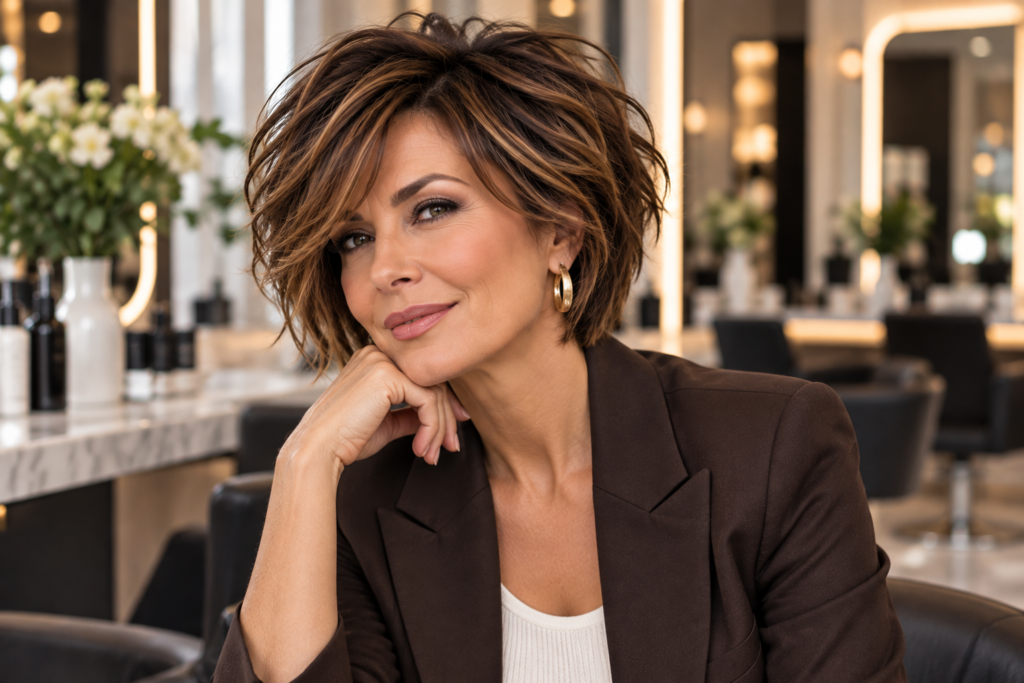
The French bob proves that a relatively simple haircut can make a strong statement.
Cut around the jaw with a clean perimeter and subtle internal movement, it frames the face without requiring layers everywhere. A slightly imperfect finish actually works in its favor — the hair doesn’t need to look rigid or freshly blow-dried.
After 50, a softer interpretation can be particularly flattering. Instead of a severe blunt line, ask for a perimeter that retains fullness while allowing a little natural movement around the face.
Why it looks expensive: simplicity makes the shape noticeable. Healthy-looking ends and a deliberate outline do most of the work.
3. Sculpted Silver Pixie
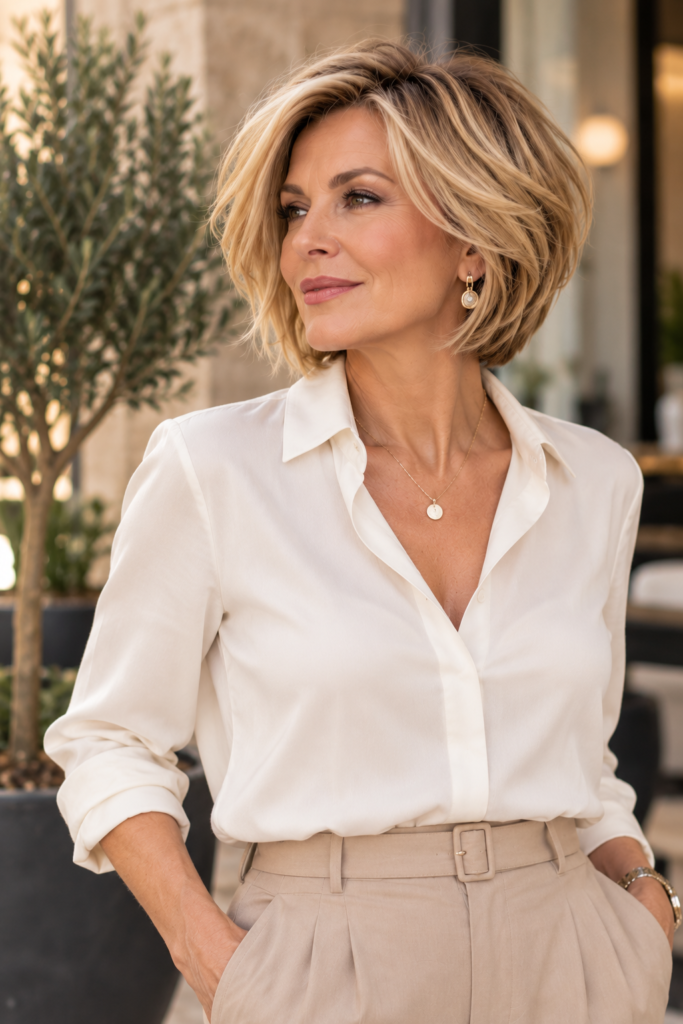
Natural silver hair and a beautifully constructed pixie can be an exceptionally sophisticated combination.
Rather than cutting everything equally short, keep some length through the top and fringe. This creates several styling possibilities while preventing the haircut from looking flat.
A softly tapered neckline and cleaner sides balance the longer upper section.
Silver hair can also reveal the architecture of a haircut particularly well because its natural variation catches light across different layers.
Low-maintenance advantage: the cut needs very little daily styling once the underlying shape is right.
4. Airy Layered Bob
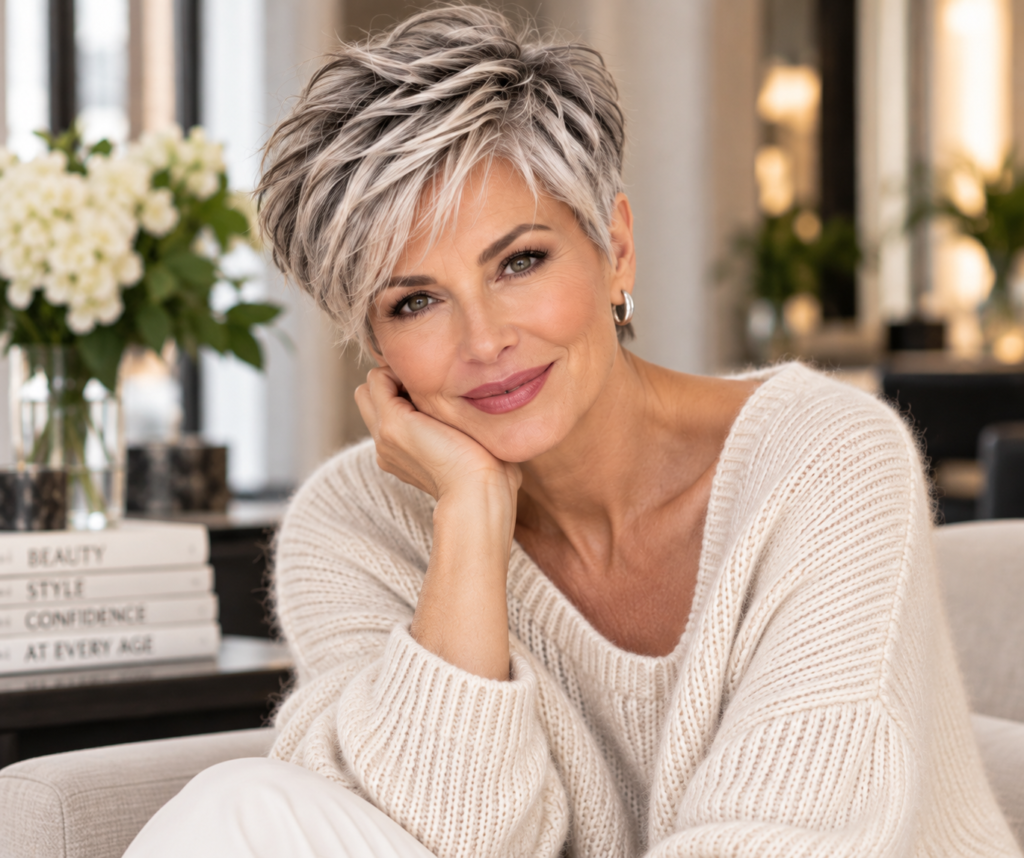
A short layered bob doesn’t need enormous volume to look luxurious.
Instead, think about movement.
Soft internal layers remove unnecessary weight and allow individual sections to move naturally. The perimeter should still retain enough density to prevent the ends from looking thin.
This is especially useful for hair that has become finer with age. Too many layers can make fine hair appear even thinner, while carefully positioned layers create movement without sacrificing fullness.
Styling tip: concentrate volume around the sides and upper layers rather than trying to lift the entire crown.
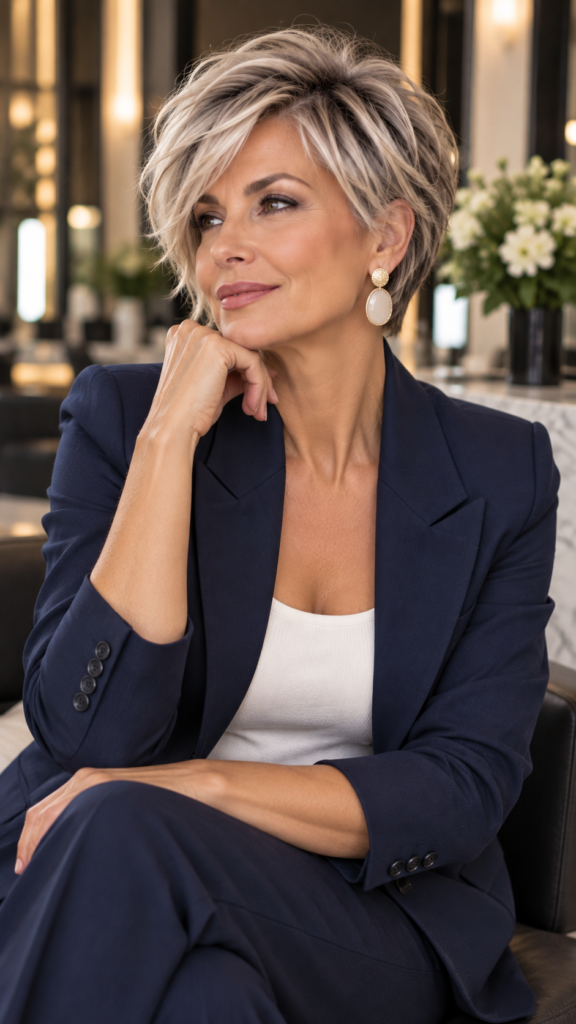
5. Refined Italian Bob
The Italian bob is slightly fuller and more substantial than many traditional short bobs.
Usually sitting somewhere between the jaw and upper neck, it has a strong perimeter and enough internal movement to avoid looking heavy.
The result is a haircut that feels deliberately styled even when the finish is relaxed.
Rich brunette shades work beautifully with this shape because light reflects across the larger sections of hair, emphasizing shine and dimension.
Why it works after 50: the fuller perimeter can make hair appear healthier and denser while the shape remains contemporary.
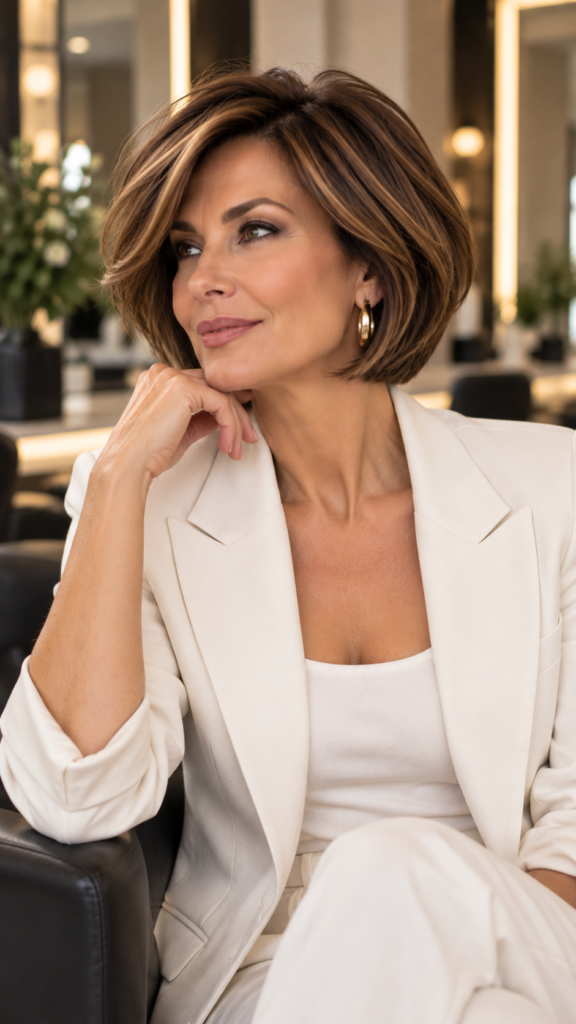
6. Long Side-Swept Pixie
If a very short pixie feels too severe, keeping considerably more length through the front can completely change its character.
A long side-swept fringe creates softness around the forehead and cheekbones, while shorter sides and back prevent the hairstyle from becoming bulky.
This contrast between a structured base and a fluid front section is what makes the haircut interesting.
It also gives you styling flexibility: wear the fringe smooth, slightly tousled or swept farther away from the face.
Best feature: one haircut can produce several different looks without complicated styling.
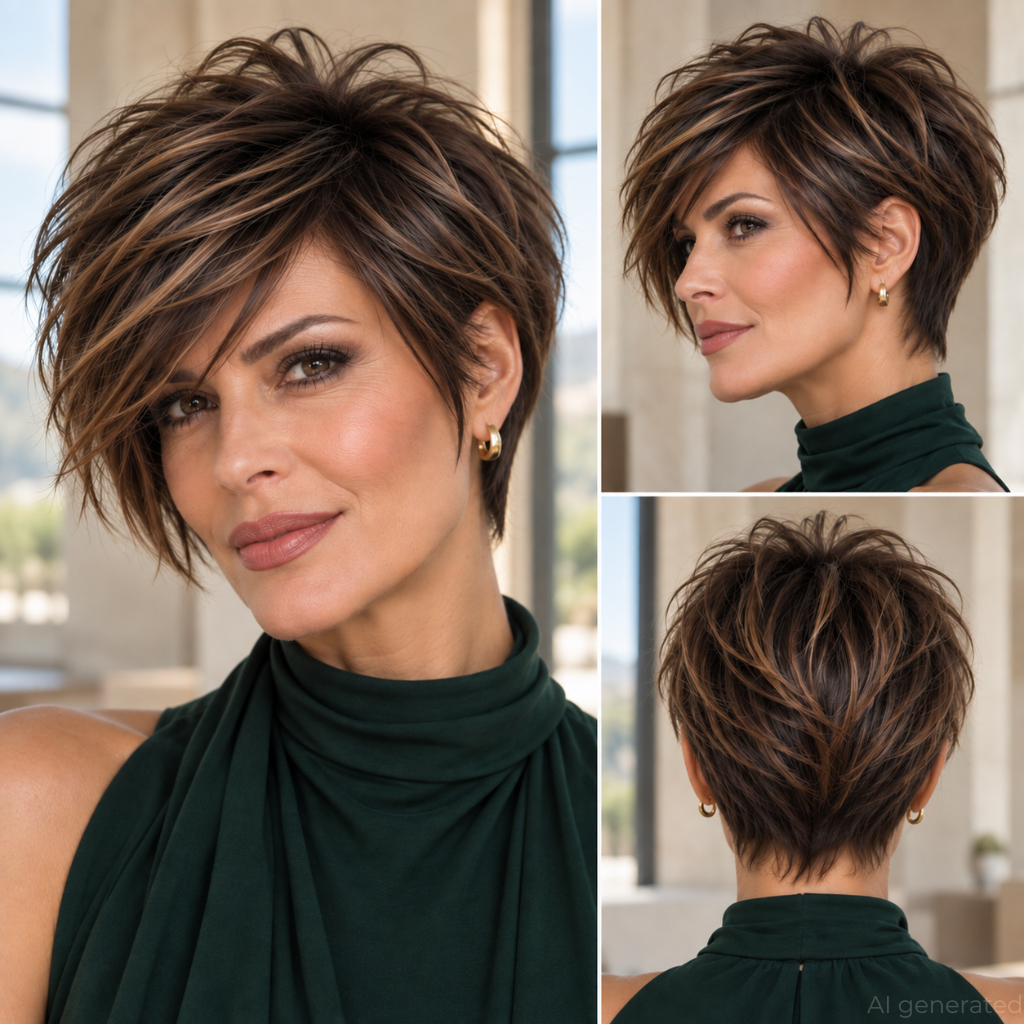
7. Jaw-Length Graduated Bob
Graduation can create beautiful structure when it is kept subtle.
A slightly shorter back supports the shape while the front remains around jaw length. Instead of creating an exaggerated stacked effect, modern versions use gentle graduation to build a clean silhouette.
This can be particularly helpful when hair tends to collapse around the back of the head.
The result is polished but not stiff — exactly the balance that makes a haircut appear professionally designed rather than overly styled.
Maintenance: a quick blow-dry following the natural direction of the cut is often enough.
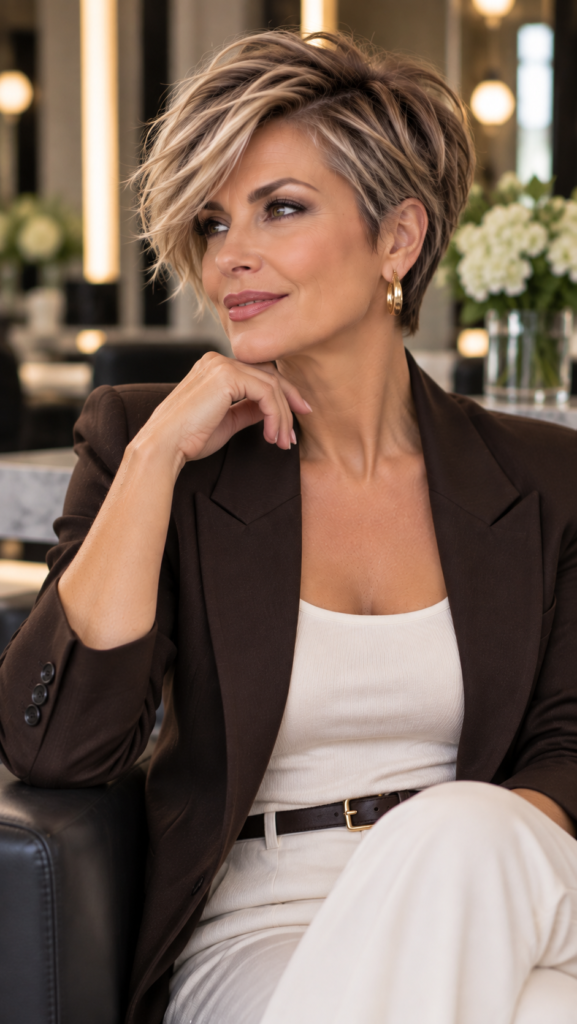
8. Modern Feathered Crop
Feathering has returned in a much more sophisticated form than the heavily layered styles of previous decades.
Today’s version uses selective separation and movement rather than dozens of short layers.
Around the face, delicate pieces can soften the temples and forehead. Through the crown, slightly longer layers create texture without producing a rounded helmet shape.
This style works especially beautifully with salt-and-pepper hair because the different tones naturally emphasize the separated pieces.
The secret: texture should look intentional, not overly fluffy.
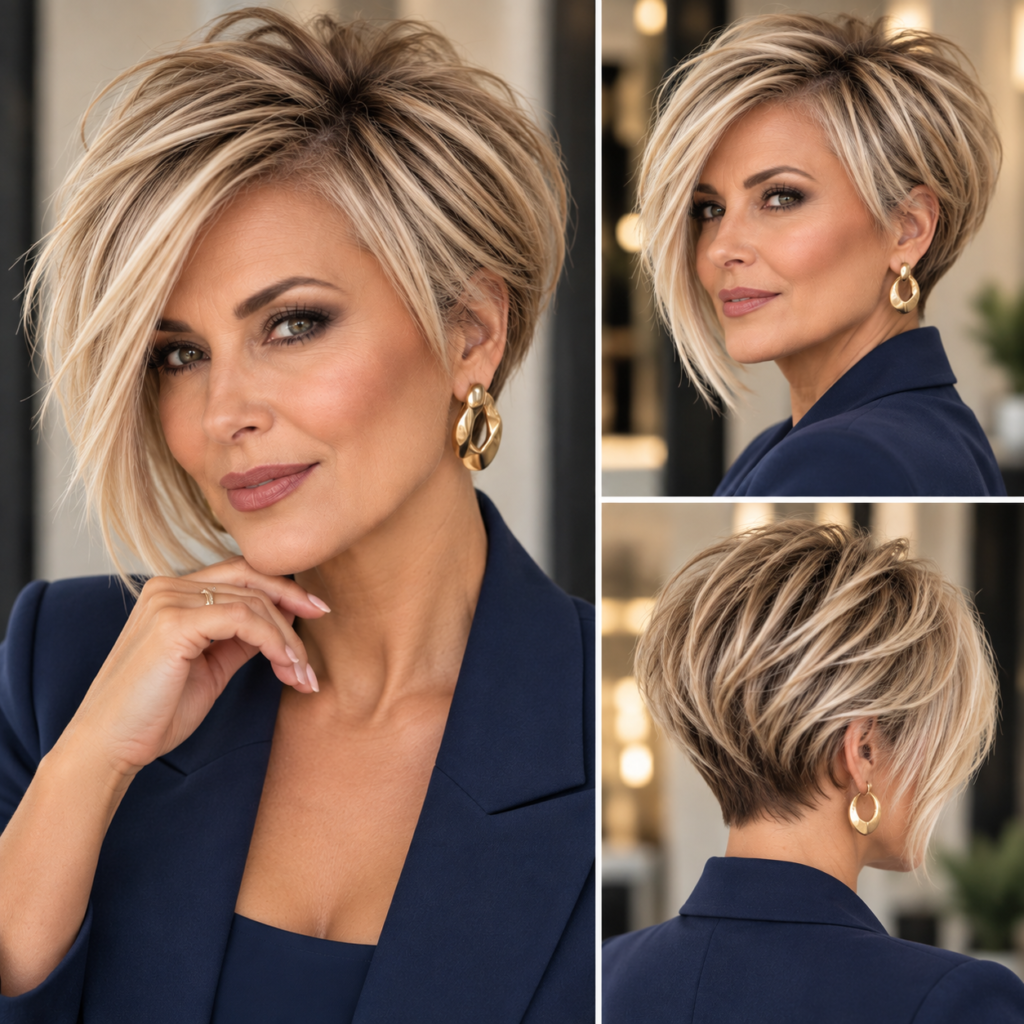
9. Soft Textured Bixie-Bob
For anyone caught between wanting a bob and wanting to go shorter, the bixie-bob offers an excellent middle ground.
It keeps more length around the sides than a traditional pixie while removing much of the weight associated with a conventional bob.
The neckline can remain soft and tapered, while longer face-framing pieces provide movement around the cheeks and jaw.
It’s also one of those cuts that often looks better with a little natural imperfection. You don’t need every strand to sit in exactly the same position.
Why it’s practical: the shape provides movement even when styling is minimal.
What Makes a Short Haircut Look More Expensive?
It isn’t necessarily the price of the haircut — and it certainly isn’t how much styling product you use.
The biggest difference usually comes from shape and proportion.
A well-designed haircut considers where the hair needs weight, where it needs movement and how the perimeter interacts with the face and neckline. Removing too much hair can make a style look thin, while leaving too much weight can make it appear heavy and dated.
Color can enhance the effect, but it doesn’t need to be complicated either. Subtle dimensional tones often look more sophisticated than extremely contrasting highlights.
Most importantly, choose a haircut that works with your natural density and texture rather than one that requires you to fight your hair every morning.
Which Short Haircut Is Right for You?
If your hair is fine, prioritize cuts with a stronger perimeter such as the French bob, Italian bob or softly graduated bob.
If you naturally have more density, a textured bixie or feathered crop can remove weight while creating movement.
And if you’re nervous about going dramatically shorter, start with a bixie-bob or longer side-swept pixie. Both retain enough length around the face to make the transition feel less drastic.
The goal isn’t simply to have shorter hair after 50. It’s to find a shape that makes your hair look intentional, healthy and modern — without requiring professional styling every morning.
Final Thoughts
A great short haircut after 50 doesn’t need to be complicated to look polished. The most sophisticated styles often rely on a strong shape, healthy-looking ends and thoughtful movement rather than excessive volume or daily heat styling.
Whether you prefer a structured bob, a soft pixie or something in between, choose a cut that works with your natural texture and lifestyle. When the shape is right, even simple styling can look intentional and refined.
Most importantly, don’t choose a haircut simply because it is considered “age-appropriate.” Choose the one that makes you feel current, confident and completely yourself.