Best haircuts for women over 50 with naturally wavy hair
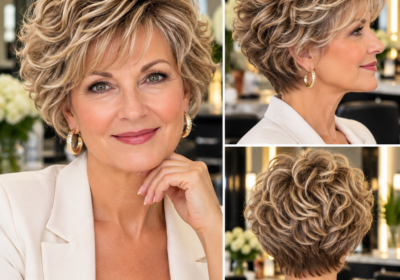
Naturally wavy hair has something special: movement, softness, and texture that straight hair often needs styling tools to achieve. But finding the right haircut can make the difference between beautiful, effortless waves and a shape that feels bulky, flat, or difficult to manage.
For women over 50, the goal isn’t necessarily to create more volume. It’s to place that volume in the right areas, preserve natural movement, and choose a haircut that works with the hair’s texture rather than against it.
Whether your waves are loose and barely noticeable or more defined and textured, these flattering haircuts can help you embrace your natural hair.
1. Soft Layered Bob for Natural Waves
A softly layered bob is one of the most versatile options for naturally wavy hair.
The length typically falls between the jaw and chin, allowing the waves to create movement without becoming too heavy.
Why it works: Gentle layers remove excess weight while maintaining enough fullness at the ends. This helps prevent the triangular shape that can develop when wavy hair is cut into a blunt, one-length bob.
Ask your stylist for: A chin-length bob with subtle internal layering and a soft perimeter.
Best for: Loose to medium waves and medium-density hair.
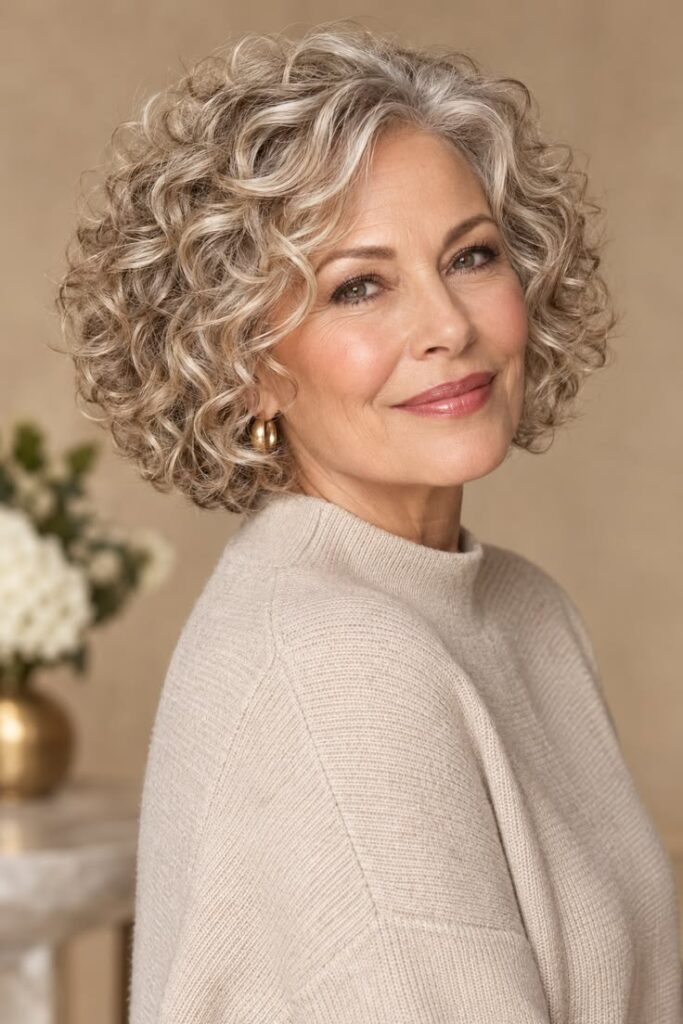
2. Textured Pixie Cut With Longer Layers
A textured pixie can look particularly sophisticated when natural waves are allowed to shape the top.
Rather than cutting everything uniformly short, the stylist keeps slightly longer layers around the crown and fringe.
The shorter sides provide structure, while the top retains softness and movement.
Why it works: Natural waves add dimension to the haircut without requiring extensive blow-drying.
Styling tip: Apply a small amount of lightweight styling cream to damp hair and gently scrunch the longer sections.
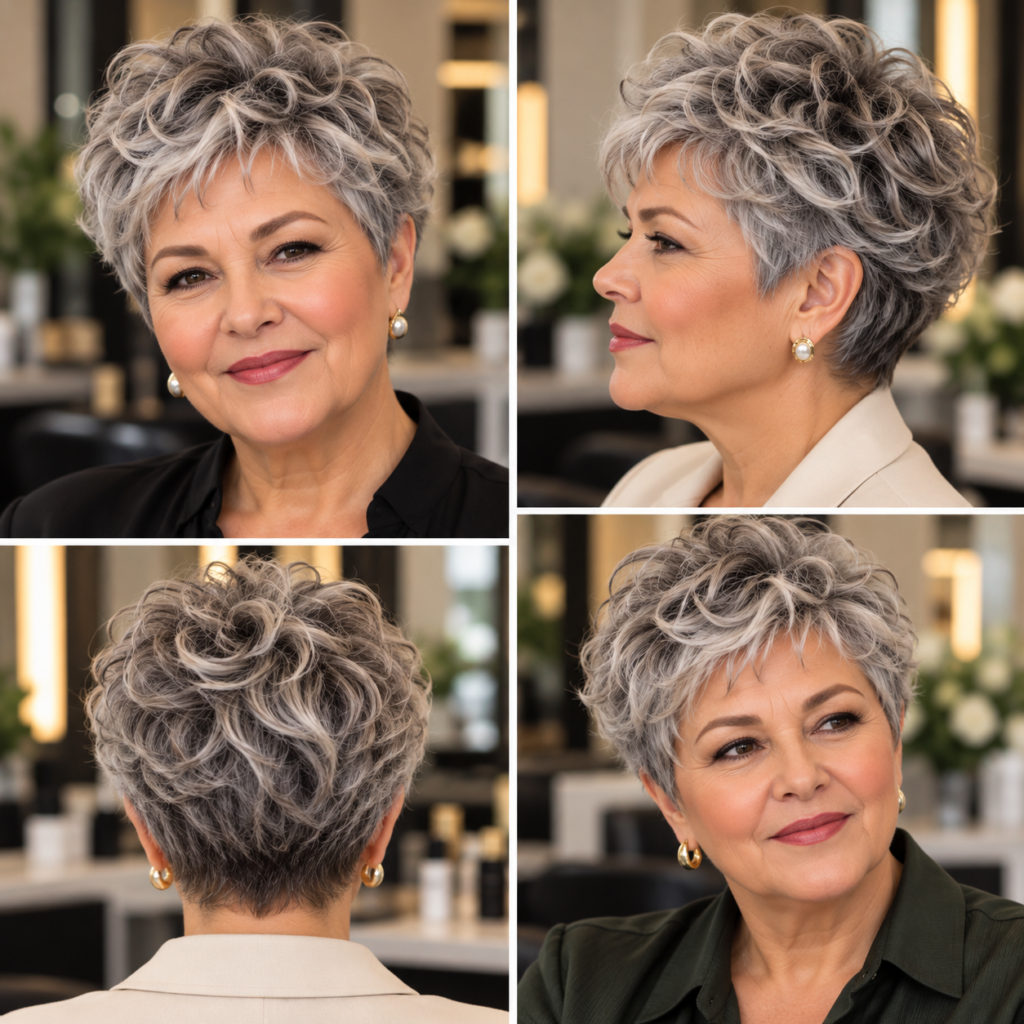
3. Shoulder-Length Wavy Lob
Not every woman over 50 wants short hair. A shoulder-length lob is an excellent option for anyone who prefers a little more length.
The longer perimeter gives waves room to form naturally, while carefully placed layers prevent the haircut from feeling heavy.
Why it works: A lob offers flexibility. It can be worn naturally wavy, loosely pinned back, or styled into a low ponytail.
For thicker hair, subtle internal weight removal can improve movement. For finer hair, keeping the perimeter relatively full helps maintain the appearance of density.
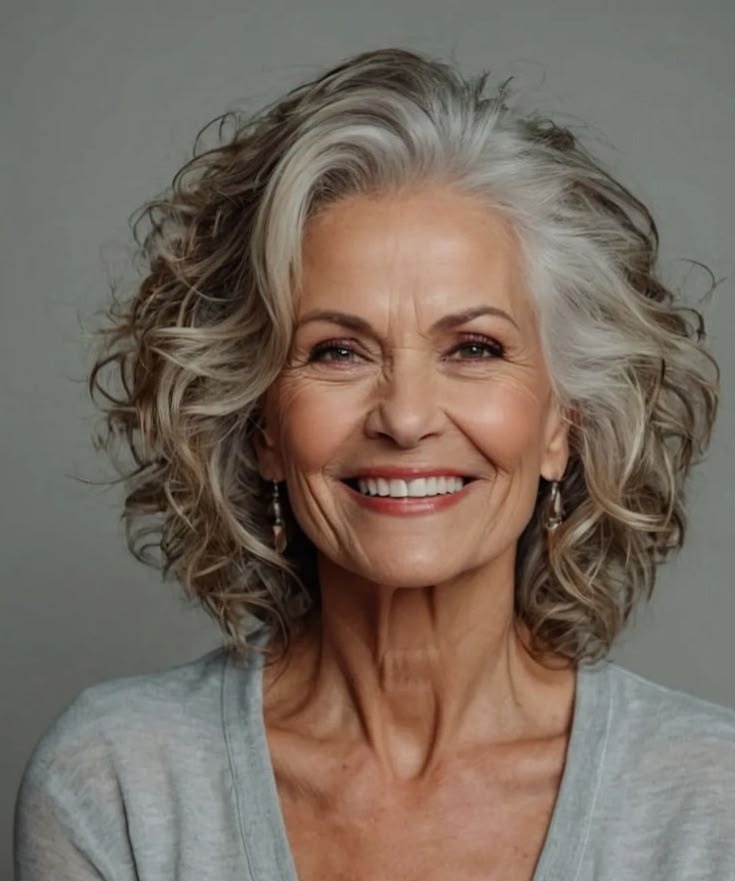
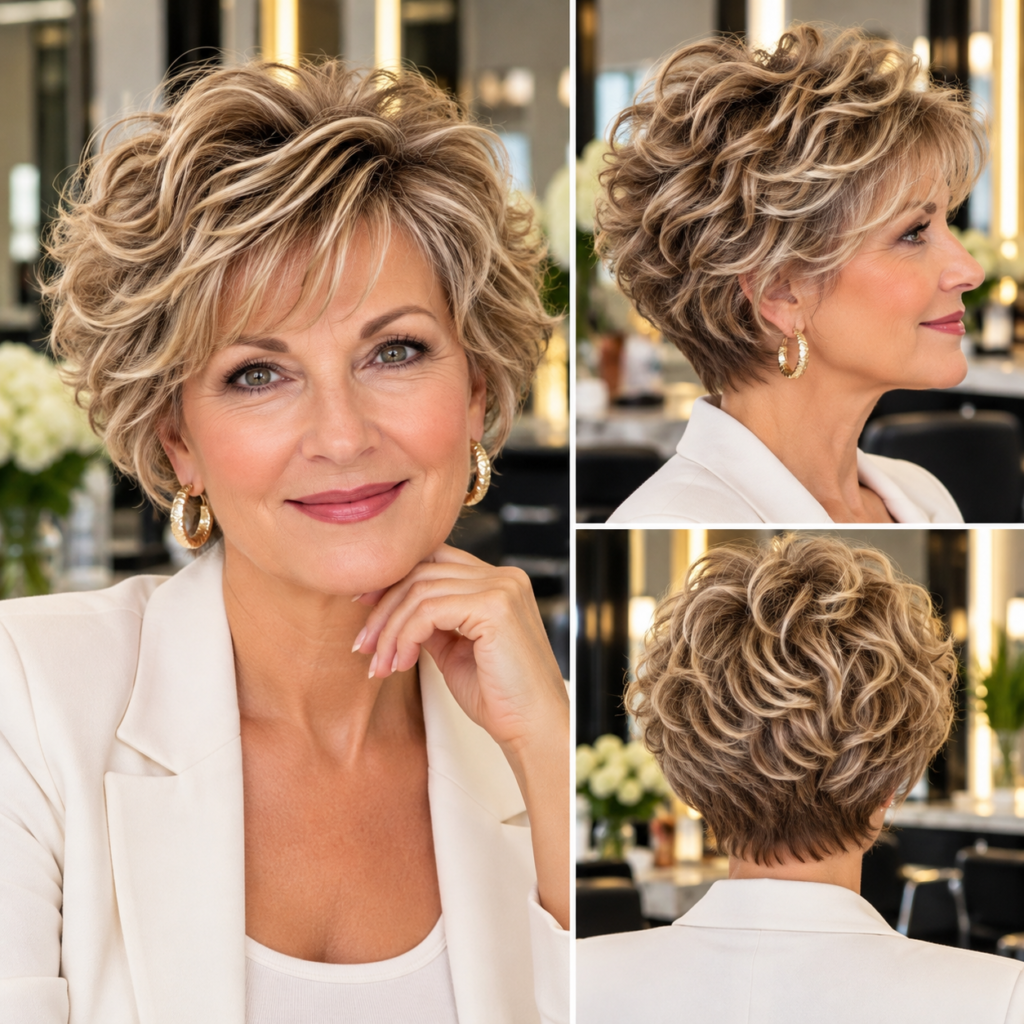
5. Wavy Bixie Cut
The bixie combines the cropped structure of a pixie with the softness and length of a bob.
For naturally wavy hair, this combination can create an attractive, feminine silhouette with movement around the ears and nape.
A little extra length on top allows the waves to remain visible.
Why it works: It offers the convenience of short hair without the very close-cut appearance of a traditional pixie.
Best for: Women who want a short, textured haircut but aren’t ready for a full pixie.
6. Collarbone Cut With Long Layers
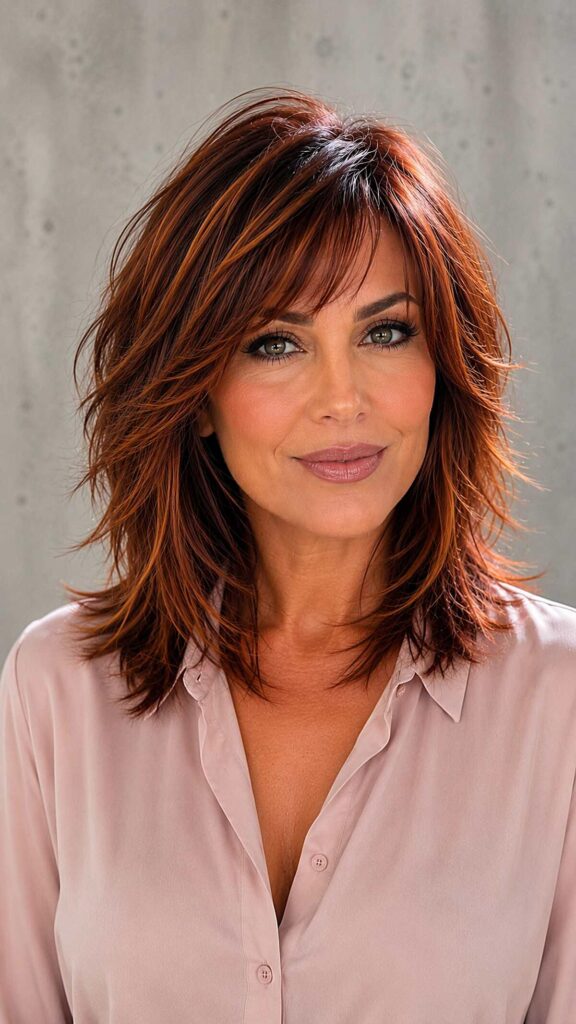
A collarbone-length haircut is a beautiful choice for women whose waves become more defined with additional length.
Long, blended layers can create movement while preserving the hair’s natural weight.
Why it works: The extra length can help prevent excessive expansion at the sides, particularly in hair that tends to become fluffy or frizzy.
Styling tip: Use a lightweight leave-in conditioner and allow the hair to air-dry without repeatedly touching it.
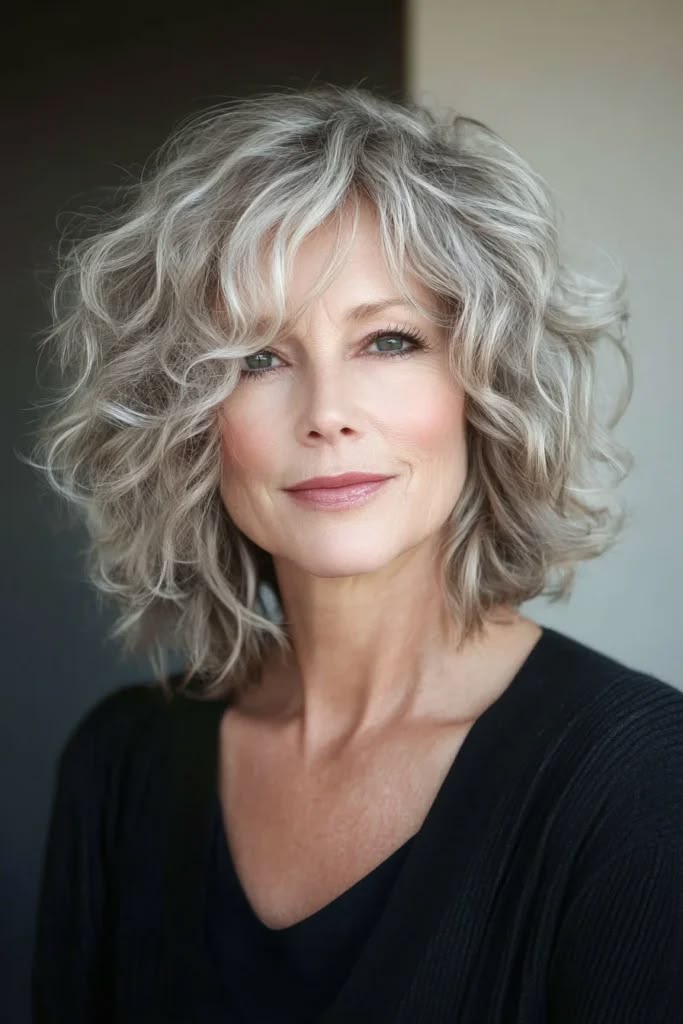
7. Wavy Bob With Side-Swept Bangs
Side-swept bangs can add softness around the forehead and bring attention to the eyes.
On naturally wavy hair, the fringe should be cut with the hair’s natural movement in mind.
A slightly longer fringe is often easier to manage than very short bangs because it can blend into the surrounding layers.
Why it works: The diagonal movement of the fringe creates a flattering frame around the face.
Important: Ask your stylist to assess how much your waves shrink as they dry before choosing the final fringe length.
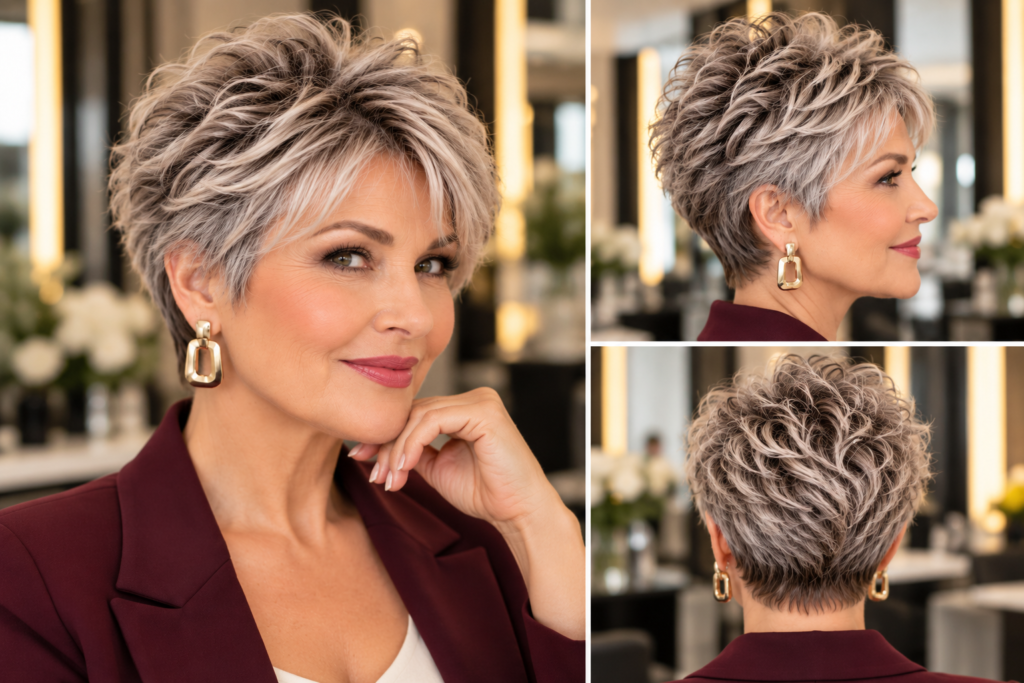
8. Short Layered Cut With a Soft Tapered Nape
A short layered haircut with a gently tapered nape offers structure without sacrificing texture.
The back remains neat and controlled, while the crown and upper layers retain enough length to form natural waves.
Why it works: The contrast between the structured neckline and the softer upper sections creates a balanced silhouette.
This haircut is especially appealing for women who prefer a polished, salon-inspired look that doesn’t require daily heat styling.
How to Choose the Right Haircut for Your Wave Pattern
Not all naturally wavy hair behaves the same way.
Loose waves may need longer layers to maintain definition, while stronger waves often benefit from carefully distributed weight removal.
Hair density also matters. Fine wavy hair can lose fullness if it is over-layered, while thick wavy hair may become bulky if too much weight is left around the sides.
A good stylist should consider your natural wave pattern, density, growth direction, and preferred styling routine before choosing the final shape.
Common Haircut Mistakes to Avoid
Too many short layers: Excessive layering can create unwanted volume around the crown and make the ends appear thin.
A completely blunt shape on very thick waves: Without appropriate weight distribution, the haircut may expand outward around the jaw.
Cutting bangs too short: Wavy hair can spring upward as it dries, leaving the fringe shorter than expected.
Ignoring the natural parting: A haircut that fights the hair’s growth pattern may require more styling than you want.
Choosing a haircut based only on straightened hair: Always consider how the shape will look when your hair returns to its natural texture.
Easy Styling Tips for Naturally Wavy Hair After 50
You don’t need a complicated routine to make natural waves look beautiful.
Start with a moisturizing shampoo and conditioner suited to your hair type. Apply a lightweight leave-in product while the hair is damp, then gently scrunch to encourage the waves.
Avoid aggressively brushing dry waves, as this can separate the natural wave pattern and increase frizz.
For additional definition, use a small amount of mousse or curl cream. Allow the hair to air-dry or use a diffuser on low heat and airflow.
If your hair is fine, avoid applying heavy creams directly to the roots. If it’s thick or coarse, a richer conditioning product may help improve softness and manageability.
The best styling routine is one that supports your haircut rather than compensating for a shape that doesn’t suit your hair.
Frequently Asked Questions
Should naturally wavy hair be layered after 50?
Often, yes. However, the amount and placement of layering should depend on hair density, length, and wave pattern. Fine hair usually benefits from more restrained layering than thick hair.
Is a bob suitable for naturally wavy hair?
Absolutely. A bob can work beautifully with natural waves when its length, perimeter, and internal layers are customized to the hair’s texture.
What is the easiest short haircut for wavy hair?
A softly layered bob, textured bixie, or longer pixie can be relatively low-maintenance, depending on how the hair naturally dries.
Should wavy hair be cut wet or dry?
Both techniques can work. Some stylists prefer cutting or refining naturally wavy hair dry because it helps them see the wave pattern and how the length changes after drying.
Final Thoughts
The best haircuts for women over 50 with naturally wavy hair are those that celebrate movement without creating unnecessary bulk or requiring excessive styling.
From a sophisticated layered bob to a relaxed modern shag, the right haircut can make your natural texture easier to manage and more flattering.
Instead of fighting your waves, choose a shape that allows them to become the most beautiful part of your hairstyle.