9 Pixie Haircuts That Look Soft, Not Severe

A pixie haircut can be bold without looking harsh.
While very short cuts are often associated with sharp edges, exposed sides, and dramatic styling, there is another side to the pixie: soft fringe, feathered texture, gentle volume, and face-framing pieces that make short hair feel surprisingly feminine and wearable.
The key is in the details. A little extra length around the forehead, softness near the ears, or movement through the crown can completely change how a pixie frames the face.
If you love short hair but worry that a pixie might feel too severe, these nine softer variations are worth saving for your next salon visit.
1. Soft Tapered Pixie
A tapered pixie doesn’t have to mean dramatically short sides.
The softer version keeps the neckline neat while allowing slightly more length around the temples and top. Instead of creating a strong contrast between the sides and crown, the sections blend gradually into one another.
This creates a clean silhouette without making the haircut feel overly structured.
It is especially beautiful when the top is styled with gentle movement rather than separated into stiff, spiky pieces.
Ask your stylist for: a softly tapered neckline, blended sides, and enough length through the top to create natural movement.
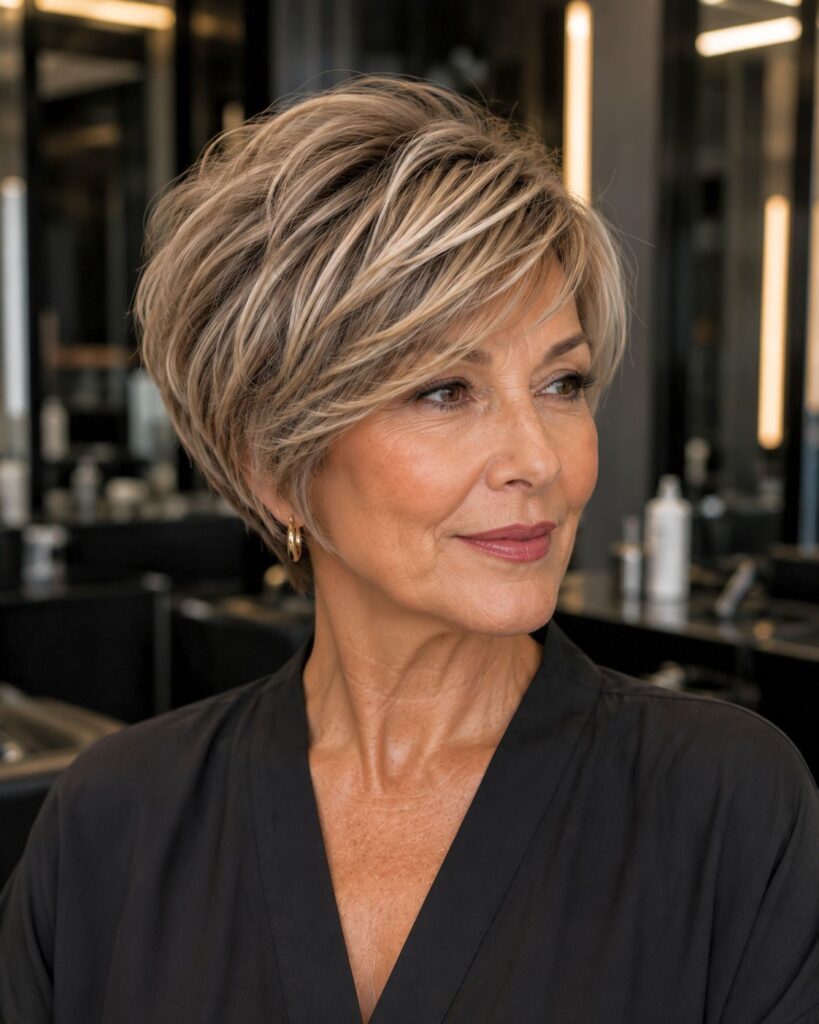
2. Feathered Pixie With Long Fringe
If you are nervous about exposing your entire face with a short haircut, keeping the fringe longer can make a huge difference.
A feathered pixie combines short, lightweight layers with a longer fringe that sweeps naturally across the forehead.
The fringe creates softness around the eyes while the feathered texture prevents the haircut from looking heavy.
It can also be styled in several ways — swept completely to one side, slightly tousled, or lifted away from the face when you want more volume.
Best for: anyone who wants the freedom of short hair without losing softness around the face.
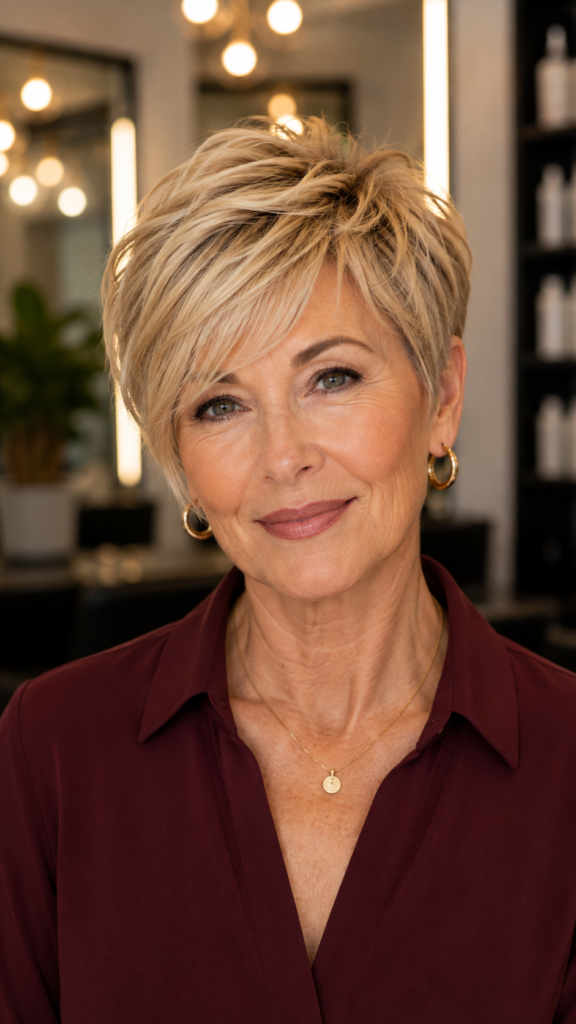
3. Rounded Pixie
Not every pixie needs sharp angles.
A rounded pixie follows the natural shape of the head, creating gentle fullness through the crown while keeping the sides controlled.
The result feels polished but not rigid.
This shape can work particularly well on straight or slightly wavy hair because the rounded silhouette gives the haircut structure even when very little styling is involved.
The important detail is keeping the shape airy. Too much bulk around the sides can turn a soft rounded pixie into something much heavier.
Ask your stylist for: subtle crown volume with a softly rounded shape and lightweight edges.
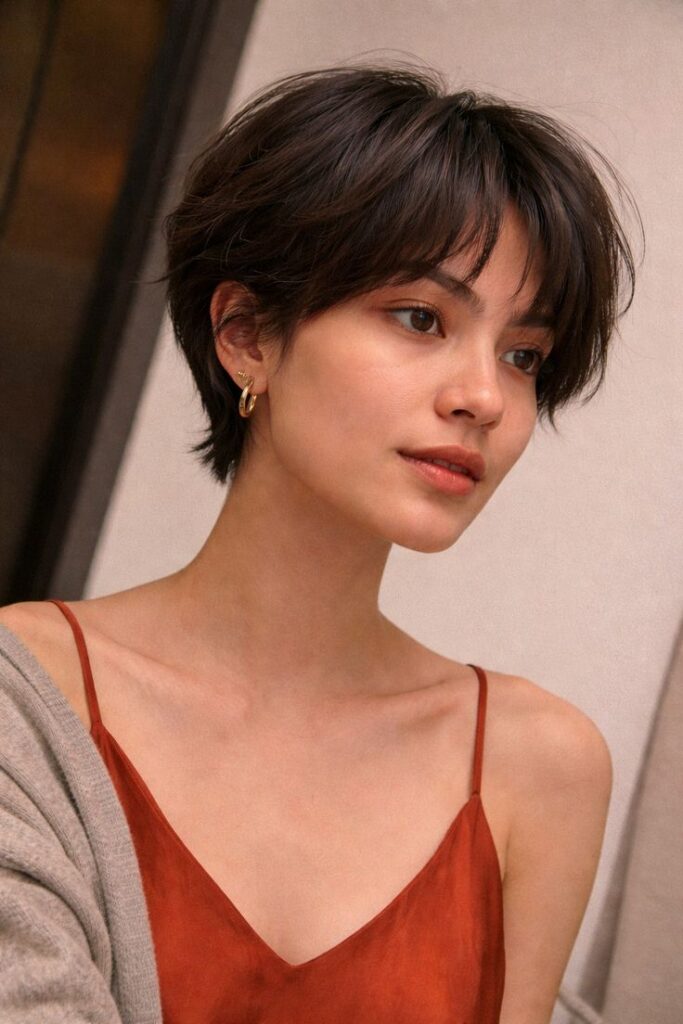
4. Side-Swept Pixie
A long side-swept fringe is one of the easiest ways to soften a pixie haircut.
Instead of cutting everything equally short, more length is preserved through the front. The hair can then fall diagonally across the forehead, creating movement around the eyes and cheekbones.
It is also an incredibly versatile version of the pixie. Wear it smooth for a polished finish or add a little texture for something more relaxed.
Best for: anyone who wants a short haircut that still has visible movement around the face.
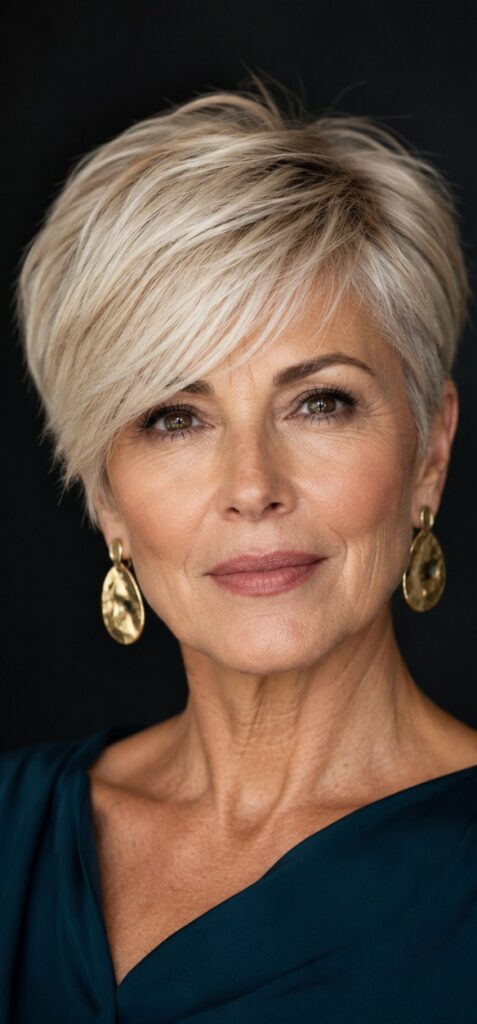
5. Airy Pixie for Fine Hair
Fine hair doesn’t necessarily need lots of length to look fuller.
In fact, too much length can sometimes weigh fine strands down. A shorter shape can remove some of that weight while strategic texture around the crown creates the appearance of more lift and density.
For a softer result, however, the texture shouldn’t look aggressively choppy.
Think delicate separation, wispy movement, and a slightly lifted crown rather than heavily razored spikes.
The finished haircut should move when you touch it.
Ask your stylist for: lightweight crown texture, soft separation, and full-looking ends without excessive thinning.
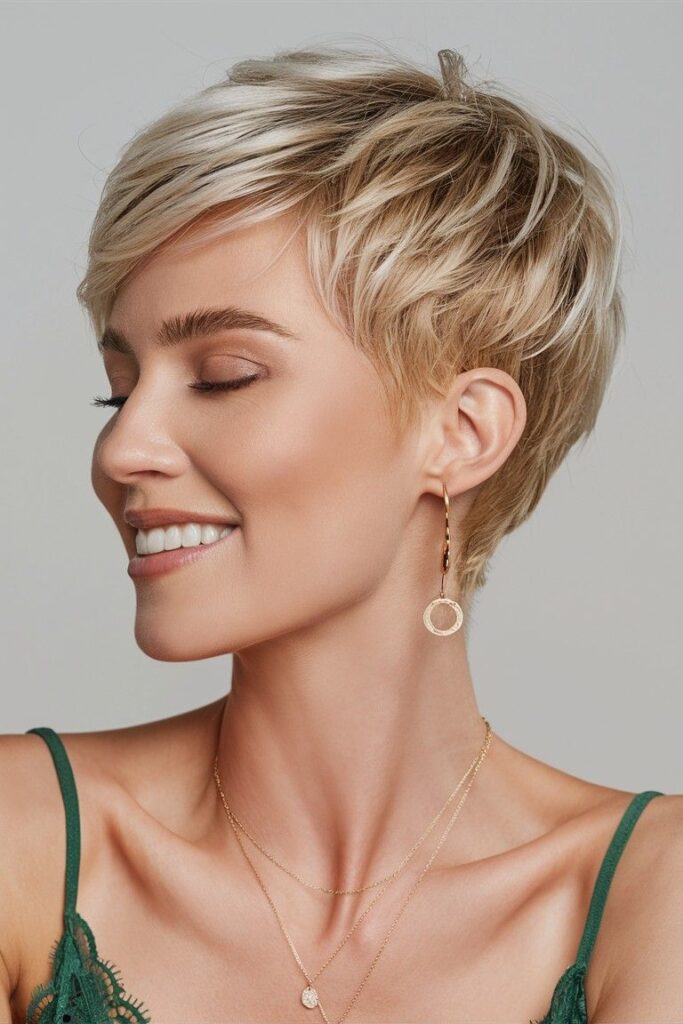
6. Soft Undercut Pixie
An undercut sounds dramatic, but it doesn’t have to look dramatic.
In a soft undercut pixie, the lower sections are kept compact underneath while longer hair falls naturally over them.
That hidden reduction in bulk can give the top more freedom to move without creating an obviously shaved appearance.
The difference between this and a traditional edgy undercut is contrast.
Instead of making the short section a focal point, the haircut blends the longer top into the shorter underneath sections.
Best for: thicker hair that tends to become bulky around the sides and back.
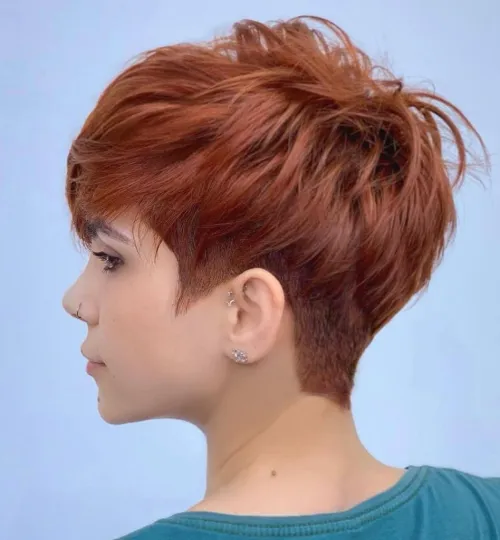
7. Curly Soft Pixie
Natural curls can make a pixie look incredibly soft.
Rather than forcing curls into a perfectly controlled silhouette, this haircut allows the natural texture to create its own movement through the top.
The sides and neckline can remain relatively neat while slightly longer curls frame the forehead and temples.
The result is short hair that feels playful, dimensional, and effortless rather than rigid.
Best for: naturally curly, coily, or strongly wavy hair.
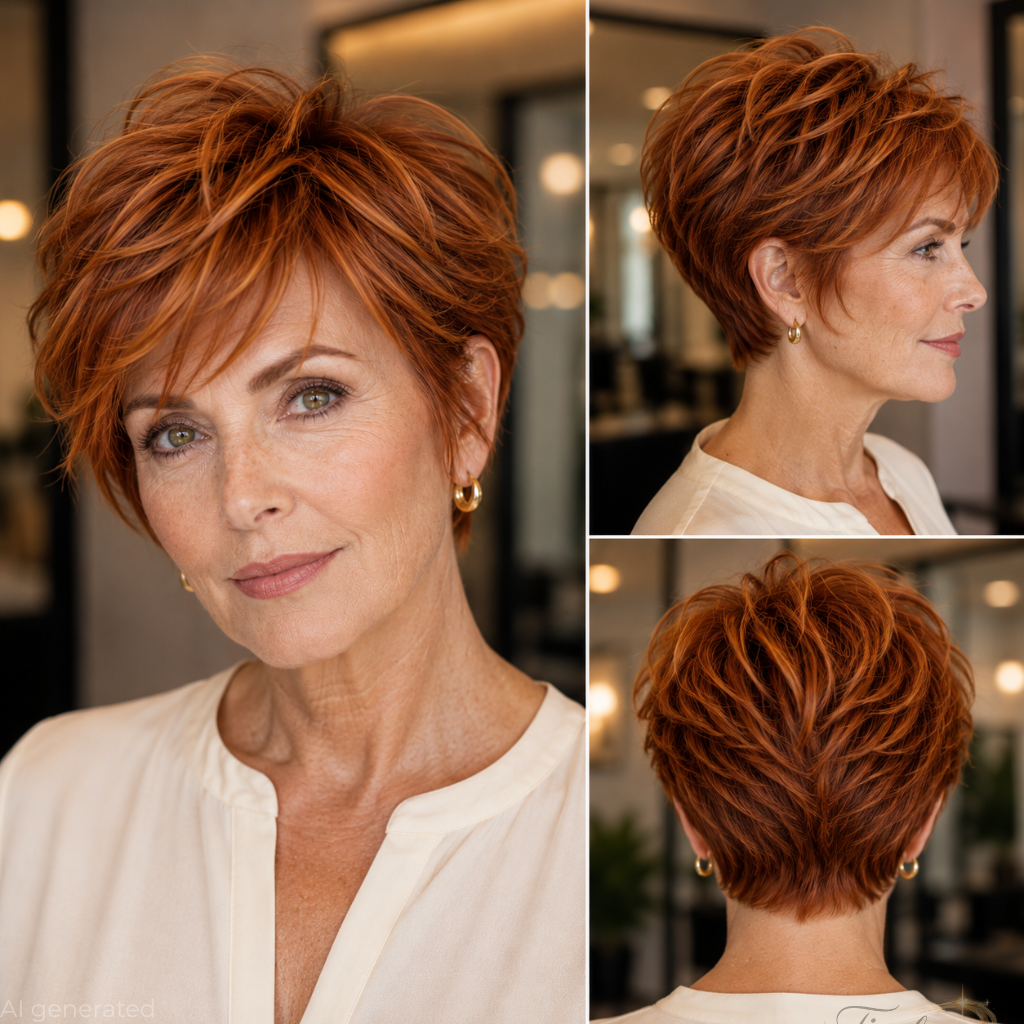
8. Pixie With Wispy Fringe
Sometimes the smallest detail completely changes a haircut.
A wispy fringe introduces delicate pieces across the forehead instead of one solid line of bangs.
Those fine sections break up the outline of a very short haircut and create movement around the face.
This works particularly well when the rest of the pixie is relatively simple. The fringe becomes the soft focal point without requiring complicated styling.
Avoid making the bangs too dense if softness is the goal.
Ask your stylist for: lightweight, separated fringe that blends naturally into the sides of the haircut.
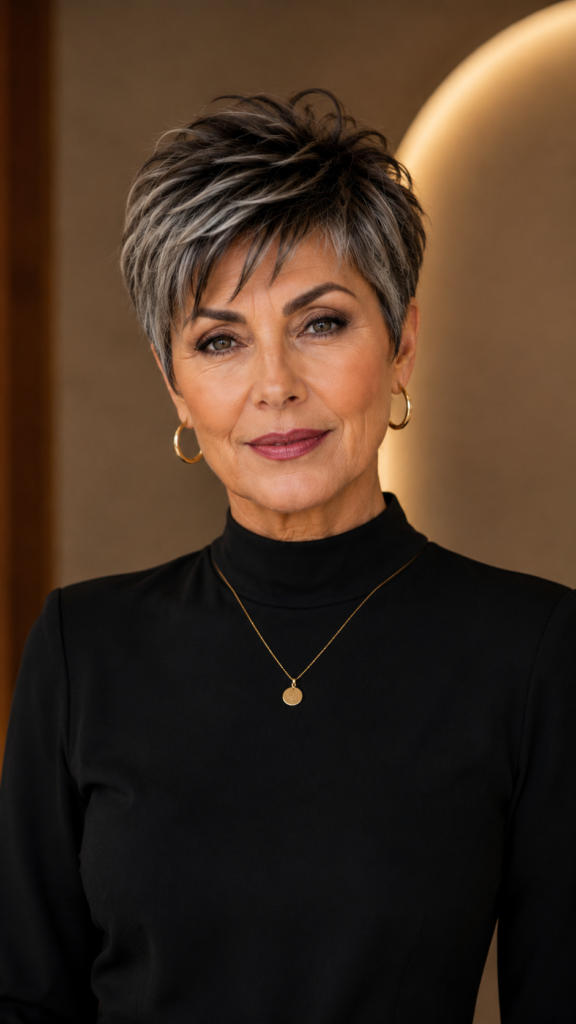
9. Long Crown Pixie
If you want a pixie that still gives you something to style, keep the crown longer.
The sides and neckline remain distinctly short, but extra length through the top allows the hair to sweep, lift, bend, or fall naturally to one side.
That contrast creates shape without requiring hard lines.
It can also work particularly well for hair that tends to fall flat because shorter sides combined with strategic crown texture can create the appearance of more fullness.
Style it smooth one day and tousled the next.
Best for: anyone who likes short hair but doesn’t want to feel locked into one look.
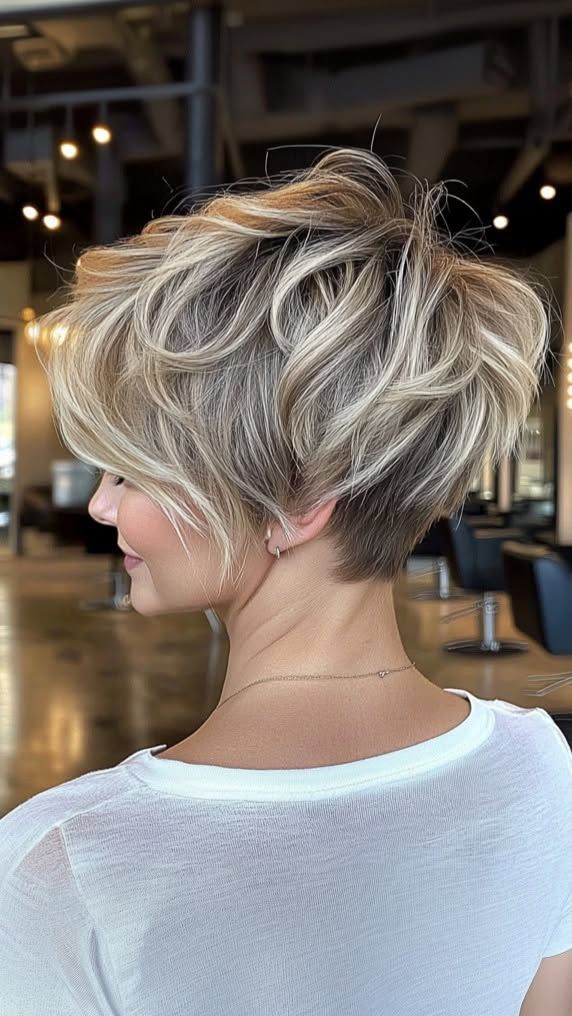
What Makes a Pixie Haircut Look Softer?
The difference between a soft pixie and a severe one often isn’t the overall length.
It is the placement of that length.
Leaving slightly more hair around the forehead, temples, ears, or crown can soften the outline of the haircut. Feathered edges and subtle movement also prevent the shape from looking too rigid.
A few details can make a noticeable difference:
- side-swept or wispy fringe
- soft texture instead of sharp spikes
- slightly longer pieces around the temples
- gradual tapering rather than dramatically shaved sides
- natural movement through the crown
- a neckline that blends into the overall shape
A skilled stylist can adjust these details according to your hair texture and facial proportions.
Should You Add Bangs to a Pixie?
If your main concern is that short hair will feel too exposed, bangs can be one of the easiest ways to introduce softness.
Side-Swept Bangs
These create a diagonal line across the forehead and add visible movement to the front of the haircut.
They are also easy to change: wear them down, sweep them farther to one side, or style them back when you want a more open look.
Wispy Bangs
Wispy bangs are lighter and more delicate.
They work particularly well with feathered and airy pixies because they don’t create a heavy horizontal line across the forehead.
Longer Fringe
Keeping considerably more length through the front creates the biggest transformation.
It gives you enough hair to change your part, create volume, or tuck sections away from the face.
Can a Pixie Make Fine Hair Look Fuller?
It can — provided the shape is designed for the hair you actually have.
Long fine hair can sometimes appear flatter because additional length adds weight. Removing some of that length and introducing strategic texture through the crown can create more visible lift.
However, more layers are not automatically better.
Over-texturing very fine hair can remove too much density from the ends and make the hair appear thinner.
The goal should be strategic movement rather than maximum layering.
Which Pixie Is Best for Straight Hair?
Straight hair can showcase the architecture of a pixie beautifully because every line of the haircut is visible.
A soft tapered pixie, rounded pixie, or side-swept version can all work well.
For very straight hair that tends to lie flat, keeping some length through the crown gives your stylist more hair to work with when creating lift and movement.
If your hair naturally sticks outward when cut extremely short, mention this during your consultation so your stylist can adjust the length accordingly.
Which Pixie Is Best for Wavy or Curly Hair?
A pixie doesn’t need to be perfectly smooth.
Natural bends, waves, and curls can create exactly the softness many people want from a short haircut.
The important part is allowing enough length in the right areas for the natural pattern to form.
Curly hair may need more length through the top than straight hair to achieve the same visual shape because curls shrink as they dry.
Instead of bringing only one inspiration photo to your appointment, look for examples featuring a texture similar to your own.
How to Keep a Pixie From Looking Too Harsh
Avoid focusing exclusively on how short you want the haircut.
Instead, talk to your stylist about where you want softness.
Maybe you want your forehead partially covered. Maybe you prefer a little hair around the ears. Perhaps you want a neat neckline but plenty of movement on top.
Those details are more useful than simply asking for a “feminine pixie.”
A personalized pixie should take your natural texture, growth patterns, styling habits, and preferred level of maintenance into account.
Soft Pixie vs. Classic Pixie: What’s the Difference?
A classic pixie generally has closely cropped sides and back with slightly more length through the top.
A soft pixie introduces additional movement.
That might come from longer fringe, feathered texture, curved rather than sharp lines, or a less dramatic difference between the top and sides.
Neither version is inherently better.
The softer interpretation simply offers another option for anyone who likes short hair but doesn’t want an extremely sharp finish.
What to Ask Your Stylist For
Instead of walking into the salon and simply asking for a pixie, describe the parts of the haircut you want to preserve.
You could say:
“I want a short pixie, but I don’t want it to look severe. I’d like softness around the face, some movement through the top, and enough fringe to style to the side.”
Then show your stylist several reference images.
One photograph can accidentally communicate the model’s color, texture, styling, or face shape rather than the specific haircut detail you actually like.
Multiple references make your preferences much clearer.
Final Thoughts
Going short doesn’t mean giving up softness.
The most flattering pixie haircuts aren’t necessarily the shortest or the most dramatic. They’re the ones shaped around the person wearing them.
A longer fringe can soften the forehead. Feathered texture can create movement. Crown length can add versatility. Natural curls can completely transform the character of the cut.
If you’ve always loved pixie haircuts but worried that one might feel too severe, start with the details that make you feel comfortable.
The right pixie can feel short, modern, confident — and still beautifully soft.
Frequently Asked Questions About Soft Pixie Haircuts
What is the softest-looking pixie haircut?
Pixies with longer side-swept fringe, feathered edges, and gentle crown movement tend to create a softer appearance than very closely cropped, sharply defined versions.
Can a pixie look feminine?
Absolutely. Fringe placement, texture, length around the temples, and the shape of the neckline can all change the character of a pixie.
Are soft pixies good for fine hair?
They can be. Removing excess length may reduce weight, while carefully placed crown texture can create the appearance of greater fullness. Too much thinning, however, may have the opposite effect.
Can you wear a soft pixie with a round face?
Yes. Crown height, fringe direction, side volume, and overall length can all be adjusted to balance individual facial proportions.
Is a pixie difficult to maintain?
Daily styling can be simple, but maintaining a precise short shape generally requires more frequent trims than longer hair. A slightly longer, softer pixie can make the grow-out transition feel less abrupt.
What should I tell my stylist if I don’t want my pixie to look severe?
Ask for softness around the forehead and temples, blended rather than extremely sharp transitions, and enough length through the top or fringe to create movement.