9 Best Haircuts for Straight Hair That Falls Flat

Straight hair can look incredibly sleek and polished, but when it lacks natural body, it can also fall flat surprisingly fast. And adding more styling products isn’t always the answer.
Sometimes, the biggest difference comes from the shape of the haircut itself.
Strategic graduation, shorter sections, controlled texture, and stronger perimeters can create lift and movement before you even reach for a round brush. The trick is choosing a cut that removes weight in the right places without taking away the density that makes straight hair look healthy.
If your hair tends to sit close to your head, these are nine of the best haircuts for straight hair that falls flat — including several alternatives to the usual layered lob.
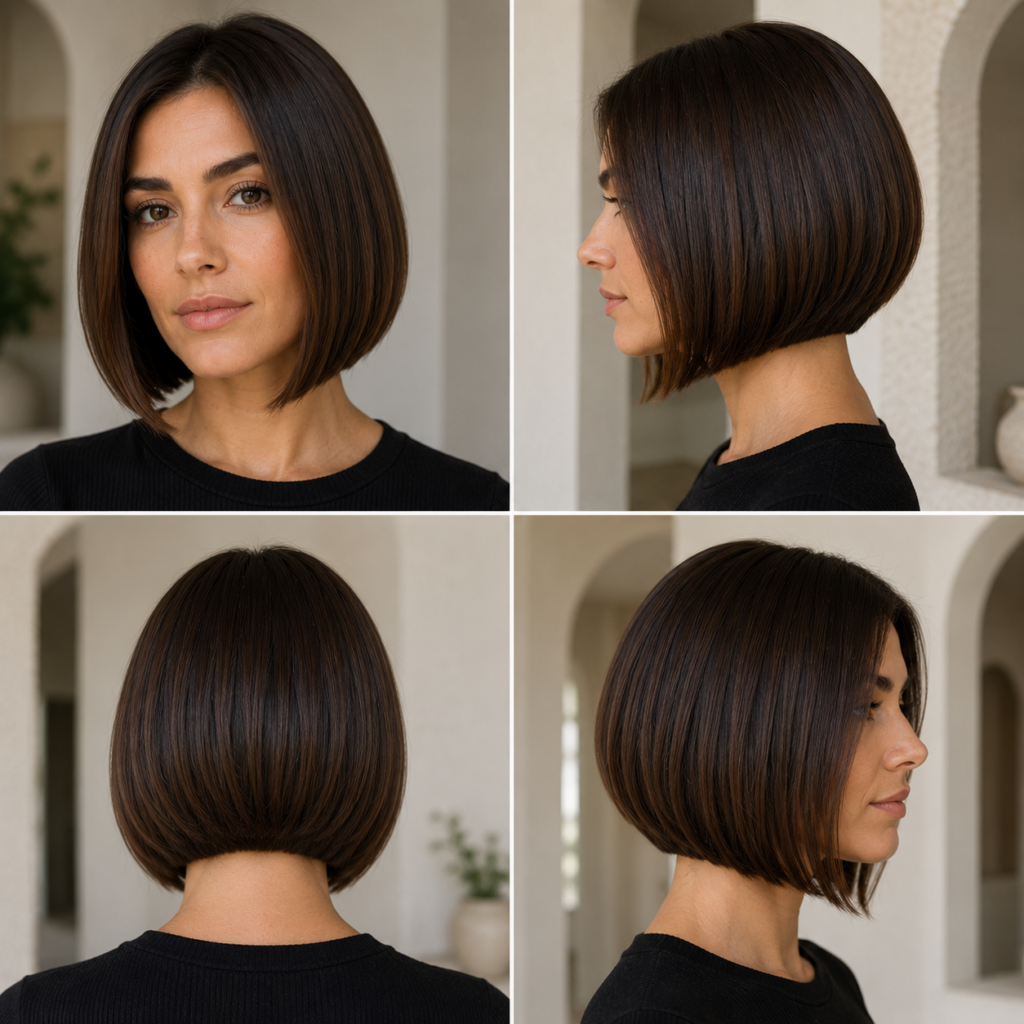
1. Box Bob With Subtle Graduation
The box bob already has one major advantage for flat straight hair: a strong, substantial perimeter.
Instead of adding obvious layers, ask for very subtle graduation underneath the exterior shape. This can remove just enough weight to help the hair sit away from the head while keeping the outside looking full and polished.
The result is structured rather than fluffy, making it especially good for naturally straight hair.
Best for: Fine to medium straight hair.
Why it works: Preserves density while creating hidden movement underneath.
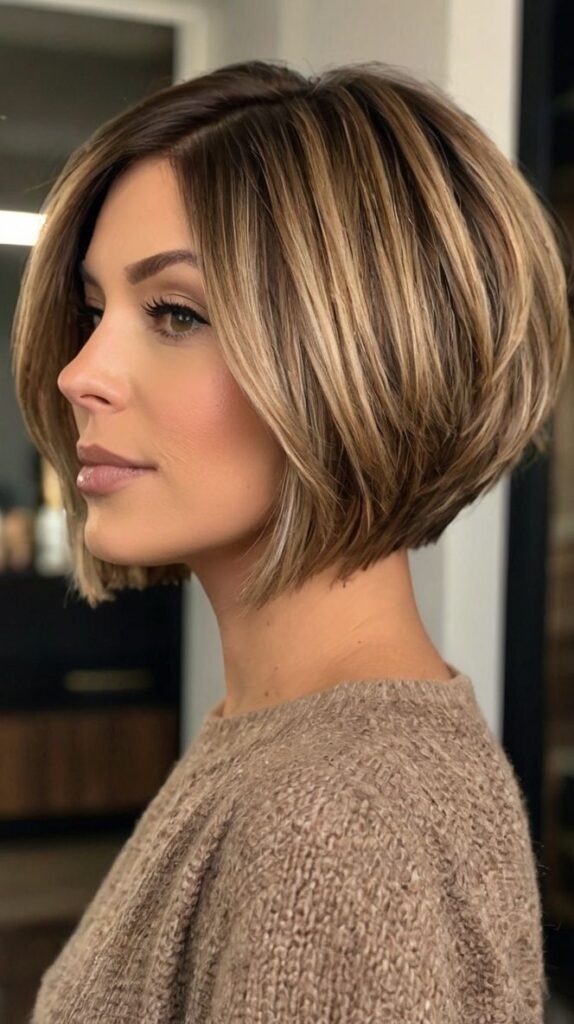
2. Jaw-Length Graduated Bob
A graduated bob can create volume through architecture rather than styling.
The back is cut slightly shorter and built with controlled graduation, while the front remains longer and softer. This shifts some of the visual weight upward and can make the crown and back appear noticeably fuller.
Keep the graduation subtle for a modern finish rather than an exaggerated stacked shape.
Best for: Straight hair that collapses around the crown and back.
Why it works: Builds lift directly into the silhouette.
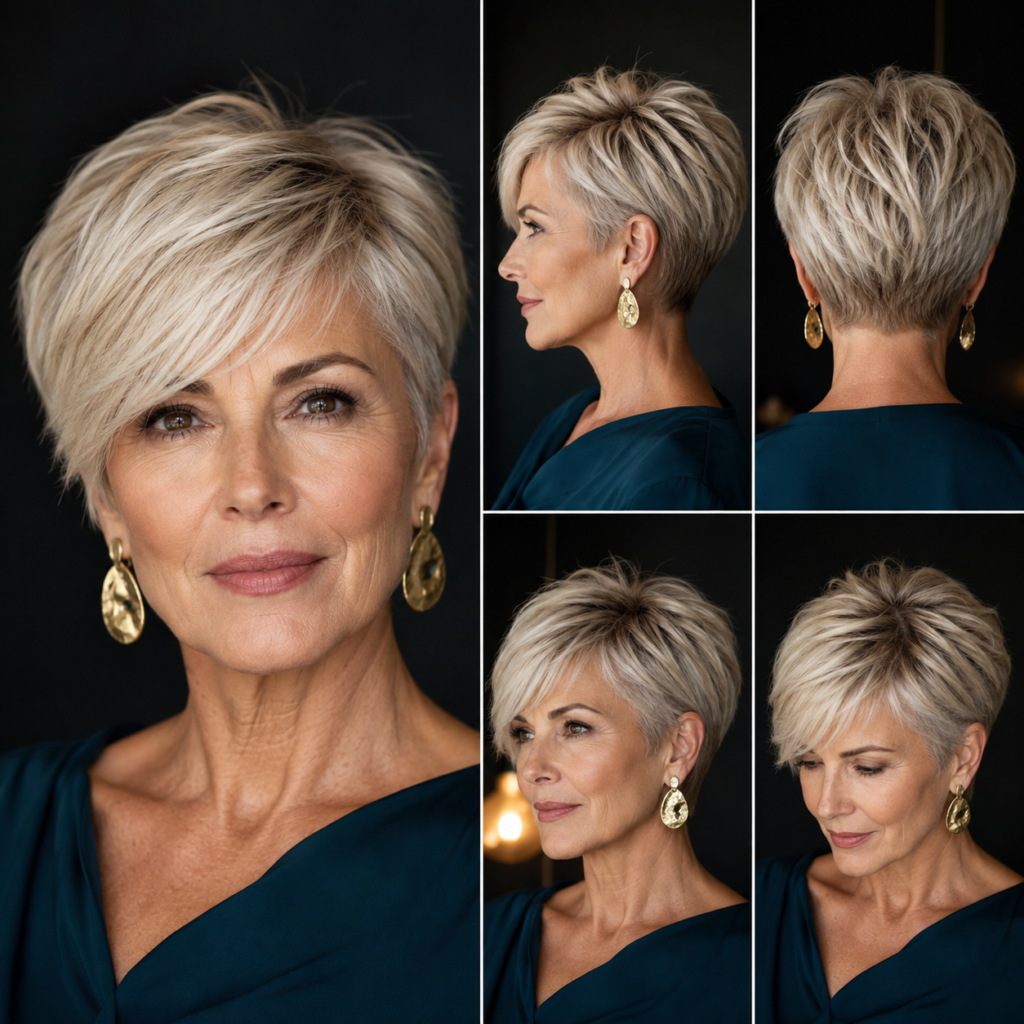
3. Short Layered Crop With Long Fringe
For straight hair that refuses to hold volume, going shorter can completely change how the hair behaves.
A short crop with lightweight crown layers creates natural separation and lift, while a longer fringe keeps the haircut soft and versatile.
The contrast between the shorter crown and longer front also prevents the style from looking like a traditional pixie.
Best for: Fine straight hair with very little natural body.
Why it works: Less weight allows the crown to lift more easily.
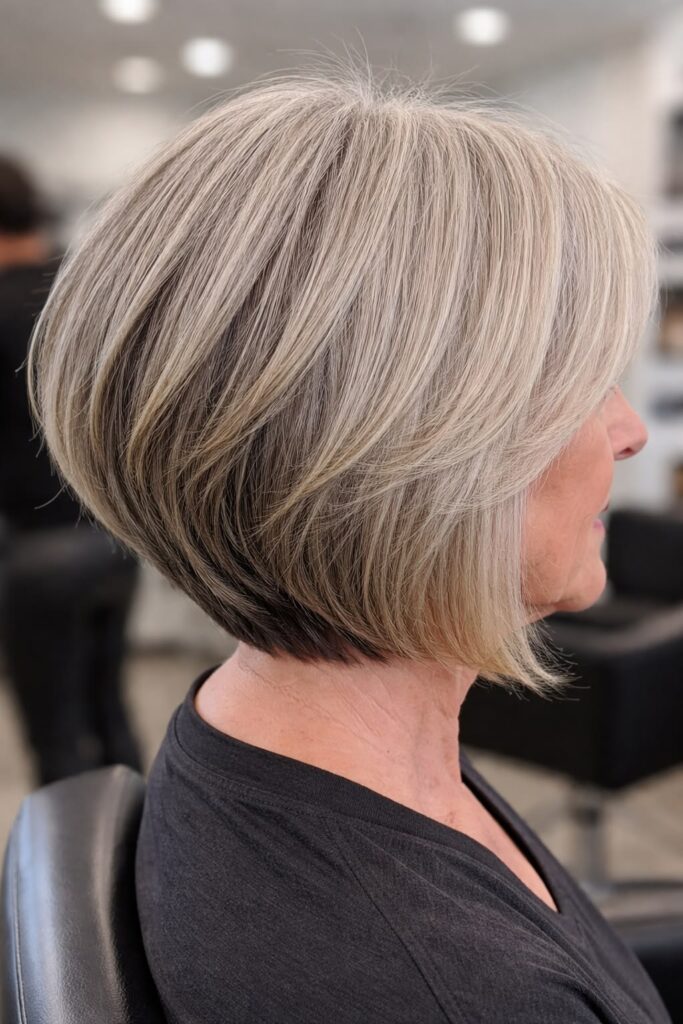
 4. Soft Stacked Bob
The modern stacked bob is much softer than the heavily graduated versions of the past.
Instead of creating an obvious wedge, subtle stacked layers are concentrated around the lower back of the head. The exterior remains smooth, while the internal structure creates a rounder, fuller silhouette.
This is particularly useful when straight hair looks flat from the side or back.
Best for: Fine to medium straight hair.
Why it works: Concentrated graduation creates fullness where flat hair often needs it most.
 5. Disconnected Midi Cut
This is where things get more interesting.
A disconnected midi uses deliberately shorter sections around the face or upper layers without blending everything into one predictable cascade.
That contrast gives straight hair visible movement and creates different points of interest throughout the haircut.
The key is restraint: the disconnection should look intentional and modern, not choppy.
Best for: Medium to thick straight hair that feels heavy.
Why it works: Breaks up a long, flat silhouette without layering every inch of the hair.
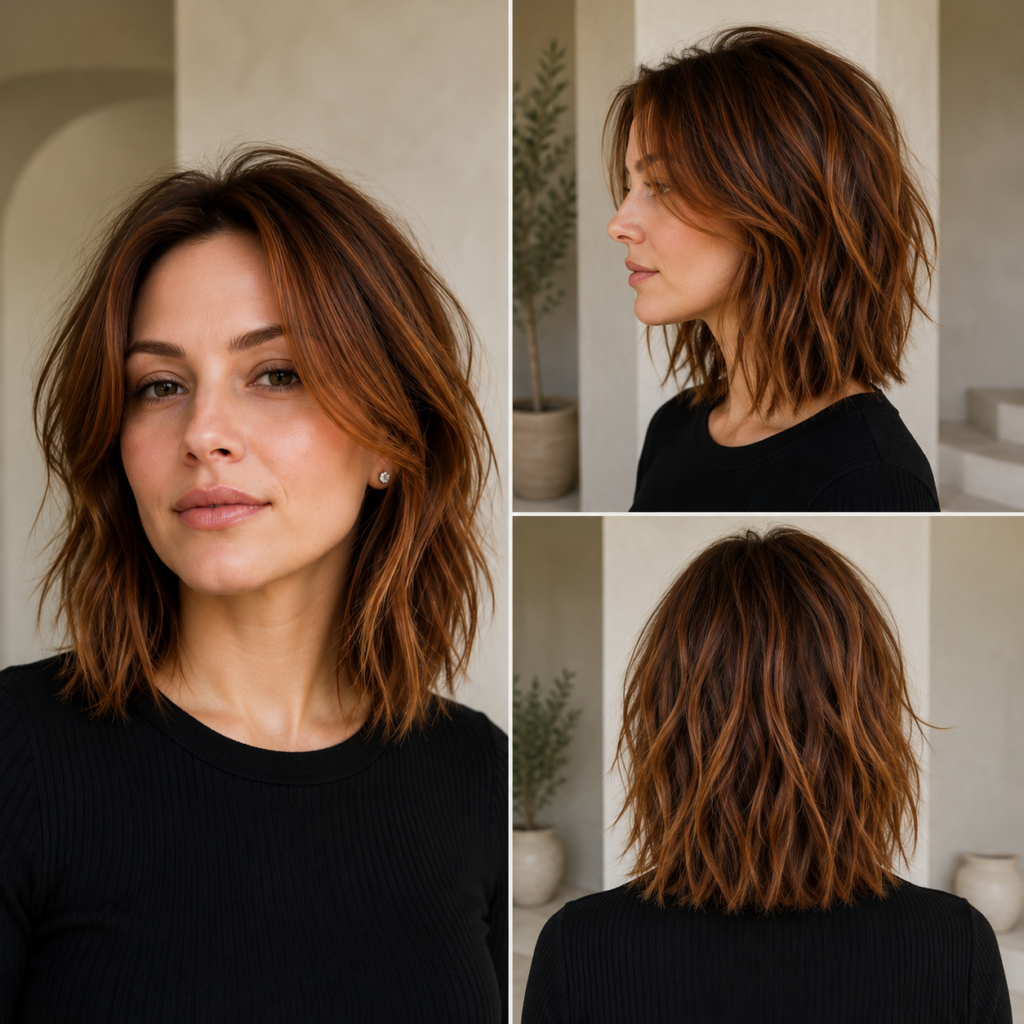
6. Short Shattered Bob
A shattered bob replaces a perfectly solid baseline with strategically broken-up ends.
The overall shape still feels substantial, but subtle point-cutting or texturizing prevents straight hair from falling into one rigid block.
It is particularly flattering if you like shorter bobs but find blunt versions too severe.
Best for: Straight hair with enough density to tolerate light texturizing.
Why it works: Creates visible movement through the ends without relying on traditional layers.
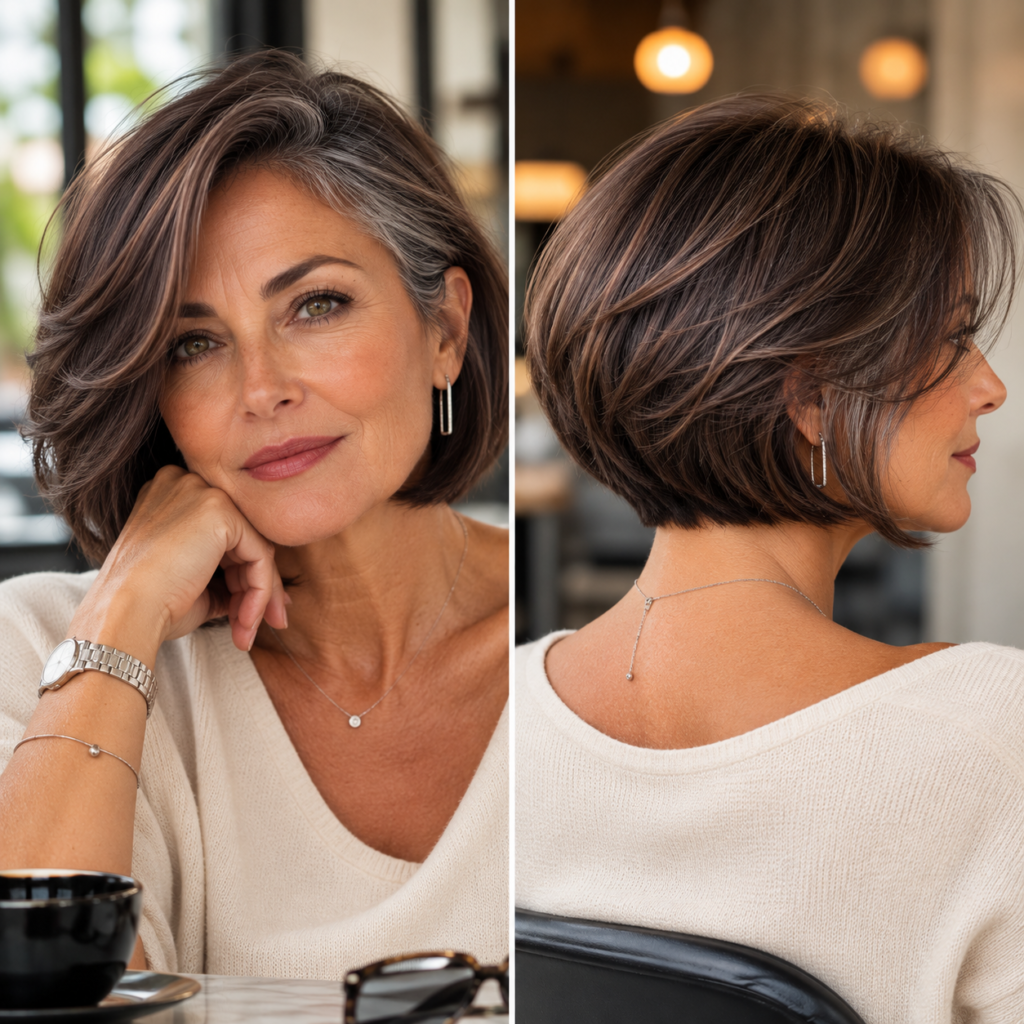
7. Modern Swing Bob
The swing bob creates movement through its angle.
It sits slightly shorter toward the back and gradually becomes longer toward the front, creating a natural forward-moving shape. Unlike a dramatic A-line bob, the modern version keeps the difference subtle.
On straight hair, that geometry is particularly visible and gives an otherwise flat texture a deliberate silhouette.
Best for: Fine to medium straight hair.
Why it works: The angled shape creates movement even when the natural texture is completely straight.
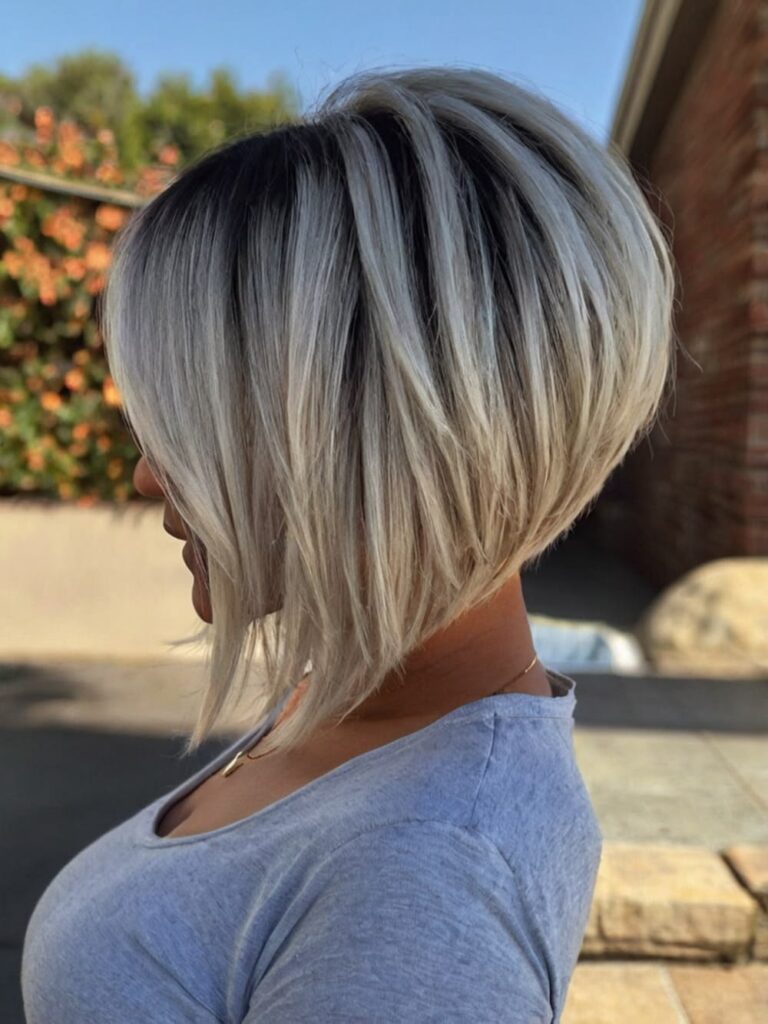
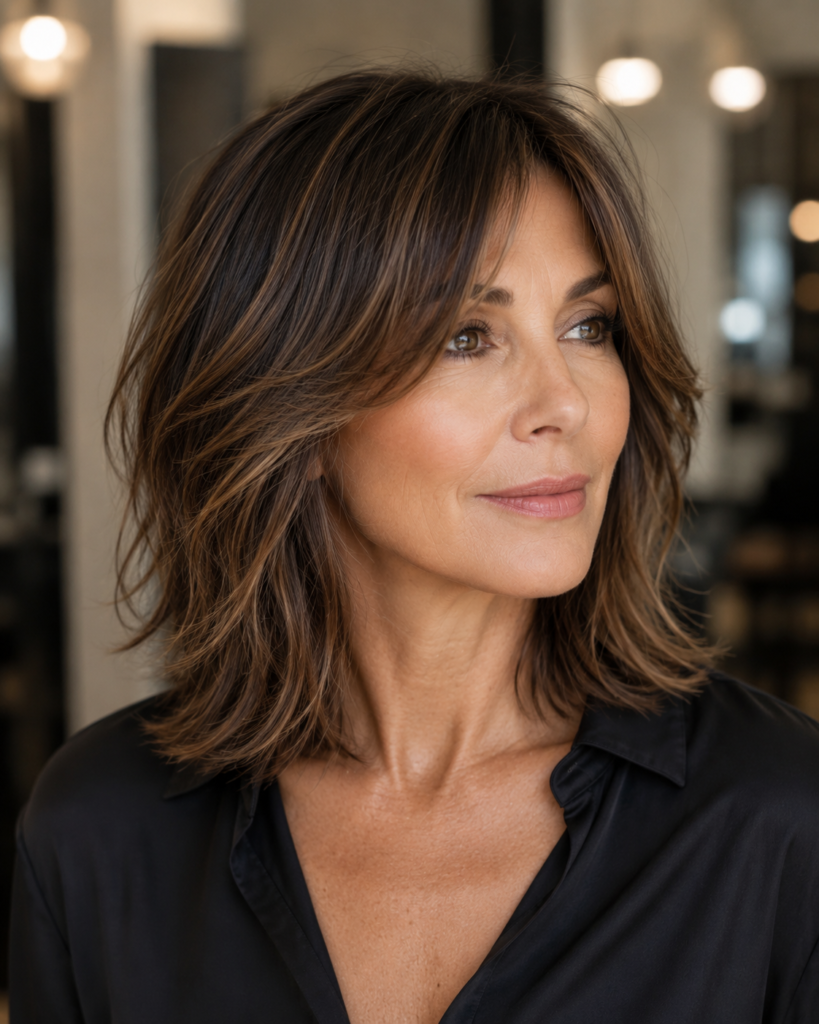
8. Wispy Midi With Full Ends
Not every haircut for flat hair needs to be short.
A wispy midi keeps a relatively strong perimeter while introducing delicate movement higher through the haircut. The upper sections feel lighter and more fluid, but the bottom is deliberately left fuller.
That balance is especially important for fine straight hair, which can quickly look sparse when over-layered.
Best for: Fine straight hair when you want to maintain medium length.
Why it works: Adds airiness without sacrificing the visual density of the ends.
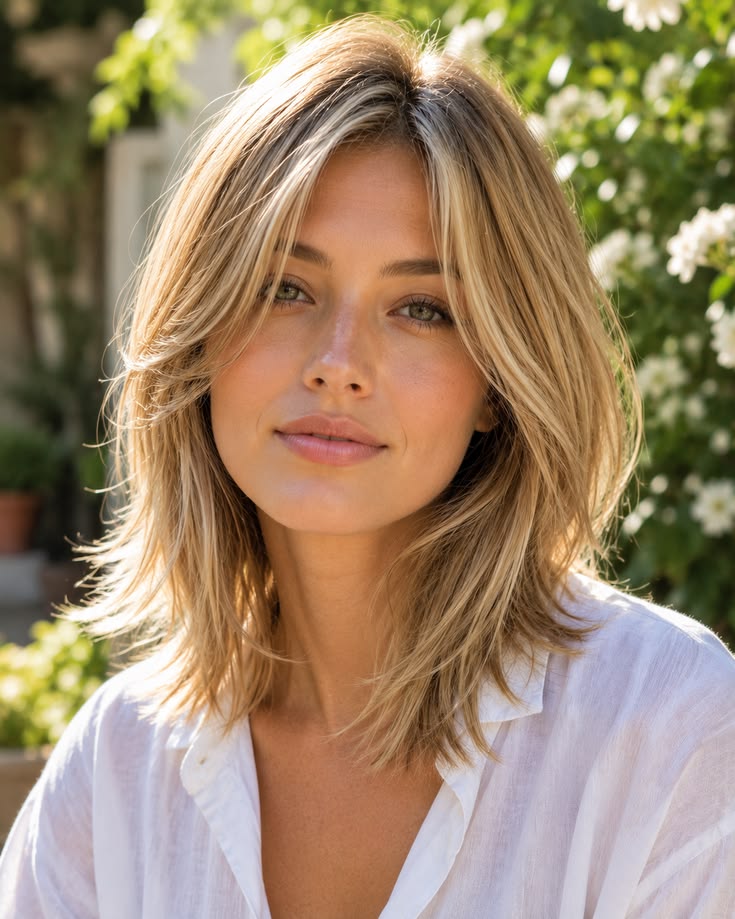
9. Modern Mod Cut
For something completely different, consider a modern interpretation of the mod cut.
This shape uses a longer fringe, softly defined pieces around the ears, and slightly elongated sections toward the nape. Instead of trying to create traditional rounded volume, it gives straight hair shape, direction, and personality.
Because naturally straight texture helps define the lines of the haircut, this is one style where straightness becomes an advantage rather than something you need to disguise.
Best for: Fine to medium straight hair and anyone ready for a more distinctive short cut.
Why it works: Creates visual interest through shape rather than artificial volume.
Why Does Straight Hair Fall Flat So Easily?
Straight hair doesn’t have the bends and curves that naturally create space between strands. Because of this, it can sit closer to the scalp and appear flatter, particularly around the crown.
Length can make the effect more noticeable because additional weight pulls the hair downward.
Other factors can contribute too, including:
- naturally fine strands,
- excess length or weight,
- an overly uniform haircut,
- too much product,
- heavy conditioners near the roots,
- excessive layering that leaves fine hair looking sparse.
This is why the solution isn’t simply “add more layers.”
The right haircut should create movement while protecting the areas where your hair needs density.
Should Flat Straight Hair Have Layers?
It depends on the hair.
Fine Straight Hair
Fine hair generally benefits from keeping a strong perimeter. Hidden graduation, minimal internal layers, or carefully placed shorter sections can introduce movement without sacrificing too much density.
Medium-Density Straight Hair
Medium-density hair usually gives a stylist more freedom. Soft graduation, texturized ends, and controlled layering can all help prevent the hair from collapsing into one shape.
Thick Straight Hair
Thick straight hair may actually fall flat because there is simply too much weight.
Removing internal bulk or introducing strategically disconnected sections can allow the haircut to move more freely without creating hundreds of visible layers.
Volume vs. Movement: Know What Your Hair Actually Needs
Volume and movement aren’t exactly the same thing.
If your roots sit completely flat, you may benefit from a shorter shape or subtle graduation that shifts weight upward.
But if the problem is that your hair hangs like one straight curtain, movement may matter more than height.
Cuts such as a shattered bob, swing bob, or disconnected midi don’t necessarily create huge root volume. Instead, they stop straight hair from looking static.
That can make the entire hairstyle appear fuller and more intentional.
What to Ask Your Stylist for If Your Hair Always Looks Flat
Instead of simply asking for “more volume,” explain where your hair tends to collapse.
If the Crown Is Flat
Ask whether subtle graduation or shorter crown sections would work with your density.
If the Ends Look Thin
Keep a stronger perimeter and avoid excessive layering through the bottom.
If Your Hair Feels Heavy
Ask about internal weight removal or strategic layering rather than automatically shortening everything.
If Your Hair Has No Movement
Consider a slightly angled shape, shattered ends, face-framing sections, or controlled disconnection.
A good stylist should adapt these techniques to your individual density, growth pattern, and natural texture.
What Haircuts Should You Avoid With Flat Straight Hair?
There isn’t one haircut that everyone with straight hair needs to avoid.
However, certain combinations can make existing flatness more noticeable.
Very long hair with virtually no shape can become heavy and sit close to the head. At the opposite extreme, excessive short layering can remove so much density that fine hair appears even thinner.
The goal is therefore not simply to choose between blunt or layered.
It’s to find the right balance between weight, density, movement, and shape for your particular hair.
Which Haircut Creates the Most Volume?
If actual lift is your priority, the jaw-length graduated bob, soft stacked bob, and short layered crop offer some of the strongest options in this list.
For movement without going very short, the disconnected midi and wispy midi are better alternatives.
And if your hair is fine and you want it to appear denser rather than dramatically bigger, the box bob is worth considering because its stronger outline makes the hair look more substantial.
Final Thoughts
Straight hair that falls flat doesn’t automatically need curls, teasing, or layers everywhere.
Often, better weight distribution is more effective than simply trying to manufacture volume.
A box bob can make fine ends look stronger. Graduation can build fullness through the back. A shattered perimeter can introduce movement. And unconventional shapes such as a modern mod cut can make naturally straight texture part of the design.
The best haircut is ultimately the one that addresses where your hair falls flat while preserving the density you already have.
Frequently Asked Questions
What haircut gives straight hair the most volume?
Shorter graduated shapes, stacked bobs, and layered crops can create more visible lift because they reduce weight and concentrate volume higher in the haircut.
Is a blunt haircut better for flat hair?
It can be particularly effective for fine straight hair because a strong perimeter makes the ends appear denser. However, subtle internal shaping may prevent the overall style from looking too flat.
Can straight hair have volume without styling?
A haircut can create a fuller silhouette and more movement naturally, although the amount of root volume you can achieve without styling will depend on your density, growth pattern, and individual hair characteristics.
Are short haircuts better for flat straight hair?
Not necessarily, but reducing length can remove weight that pulls the hair down. Medium-length hair can also work well when the shape and weight distribution are carefully designed.
How do I add movement to straight hair without lots of layers?
Try subtle graduation, shattered ends, an angled perimeter, internal weight removal, or strategically shorter sections rather than conventional all-over layering.
Can very fine straight hair handle a textured haircut?
Yes, but texturizing should be conservative. Removing too much hair can make fine ends appear sparse, so maintaining density should remain the priority.