10 Haircuts That Make Your Face Look More Defined
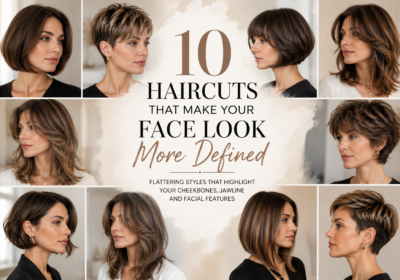
A haircut can change much more than the way your hair sits. The right shape can visually emphasize cheekbones, create definition around the jawline, open up the face, or make softer features appear more structured.
And no, that doesn’t mean everyone needs dramatic layers or an ultra-short cut.
Often, the biggest difference comes from small details: where the shortest piece falls, how much weight is kept around the jaw, where volume is placed, and whether the hair moves toward or away from the face.
If you want a haircut that gives your features a little more definition without relying on complicated styling, these 10 shapes are worth considering.
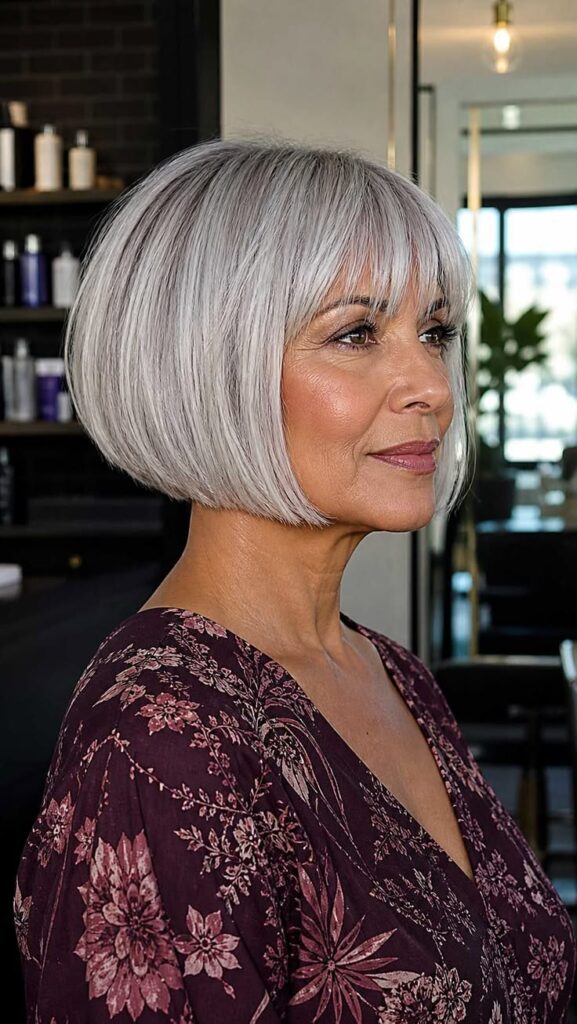
1. Jaw-Length Contour Cut
Instead of a traditional blunt bob, this cut uses subtle shaping around the jaw to create a stronger frame for the lower half of the face.
The front sections typically sit right around the jawline, drawing attention toward its natural angles. A slightly shorter back can prevent the shape from looking heavy while keeping the front clean and defined.
This is especially effective when you want structure without going extremely short.
Best for: Oval, round, and softly heart-shaped faces.
Why it works: The strongest line of the haircut sits exactly where you want more visual definition.
2. Cheekbone-Length Crop
This short cut is all about placement.
Longer pieces are kept through the front and directed toward the cheekbone area, while the sides and back remain more compact. That contrast naturally draws the eye toward the center of the face.
Unlike a traditional pixie, the front isn’t swept completely away. The strategically placed pieces become part of the facial framing.
Best for: Oval, heart-shaped, and longer faces.
Why it works: The shortest visible pieces highlight the cheekbones rather than hiding them.
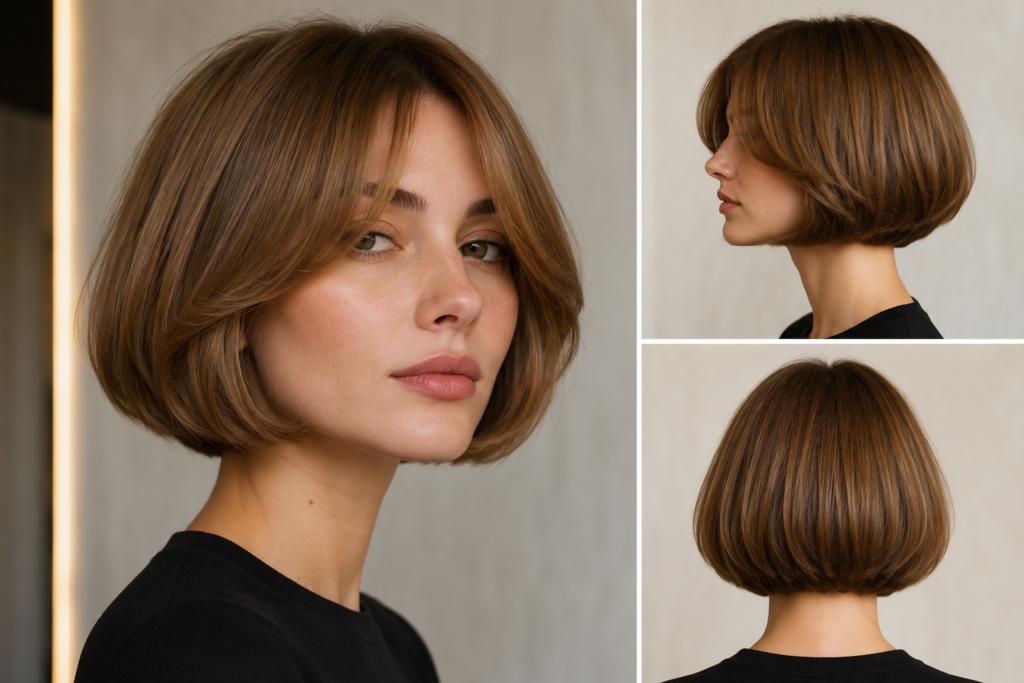
3. Modern Pageboy Cut
The pageboy has returned in a much softer, more wearable form.
Instead of the rigid rounded shape associated with vintage versions, the modern pageboy usually features a clean perimeter with subtle internal movement. The length can sit anywhere from the cheekbones to just below the jaw.
The result is architectural without looking costume-like.
Best for: Oval, long, and heart-shaped faces.
Why it works: Its compact silhouette creates a strong frame around the face.
4. Butterfly Midi Cut
The butterfly shape doesn’t have to mean very long hair.
On medium-length hair, shorter face-framing sections can begin around the cheekbones before gradually blending into longer pieces around the shoulders.
The contrast between those lengths creates movement around the face while preserving plenty of fullness through the bottom.
Best for: Round, oval, square, and heart-shaped faces.
Why it works: The shorter front pieces expose and emphasize facial structure while the longer perimeter maintains softness.
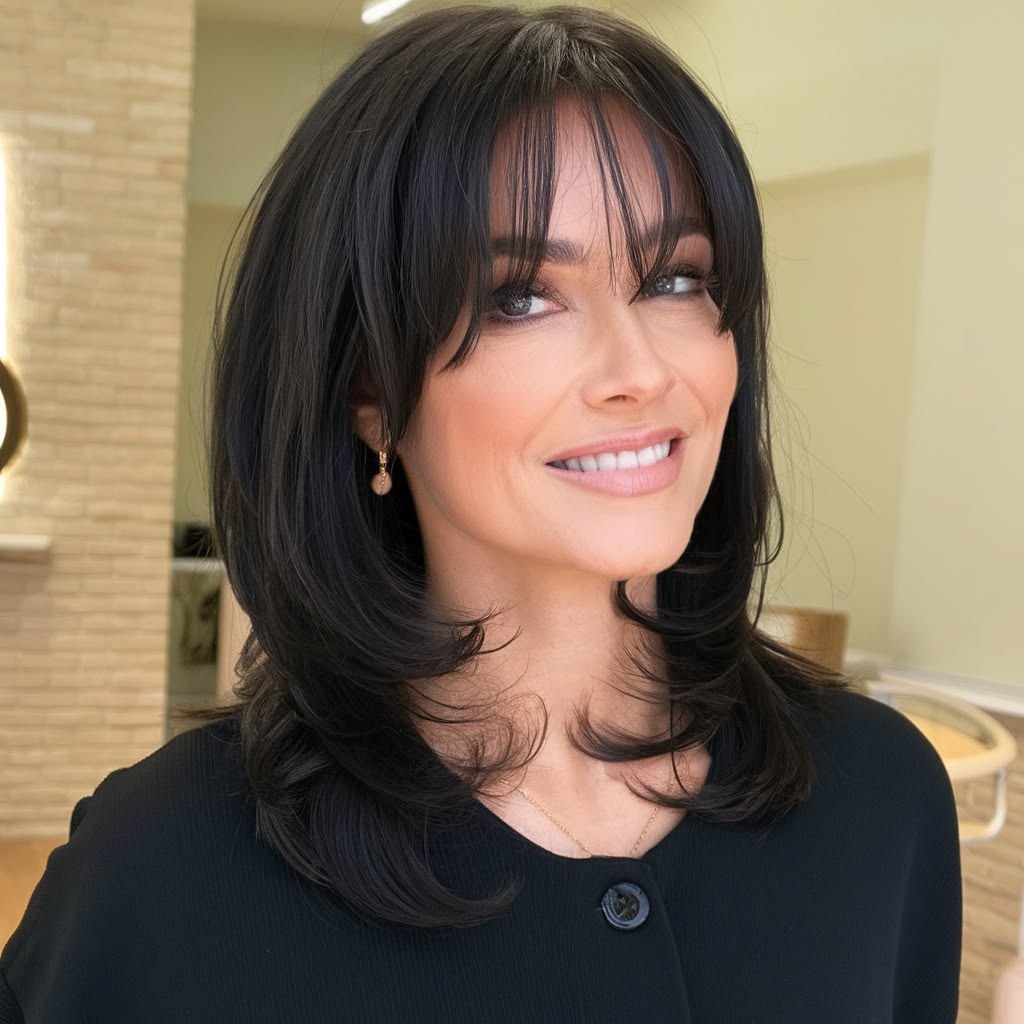
5. Shoulder-Length Curve Cut
The curve cut uses a subtle U-shaped silhouette rather than a completely straight baseline.
Around the front, the hair gradually becomes shorter, creating a gentle curve that follows the contours of the face. The effect is softer than dramatic face-framing layers but still provides noticeable definition.
It’s an excellent option for anyone who wants movement without a heavily layered haircut.
Best for: Square, round, and oval faces.
Why it works: The curved perimeter guides the eye inward toward the face.
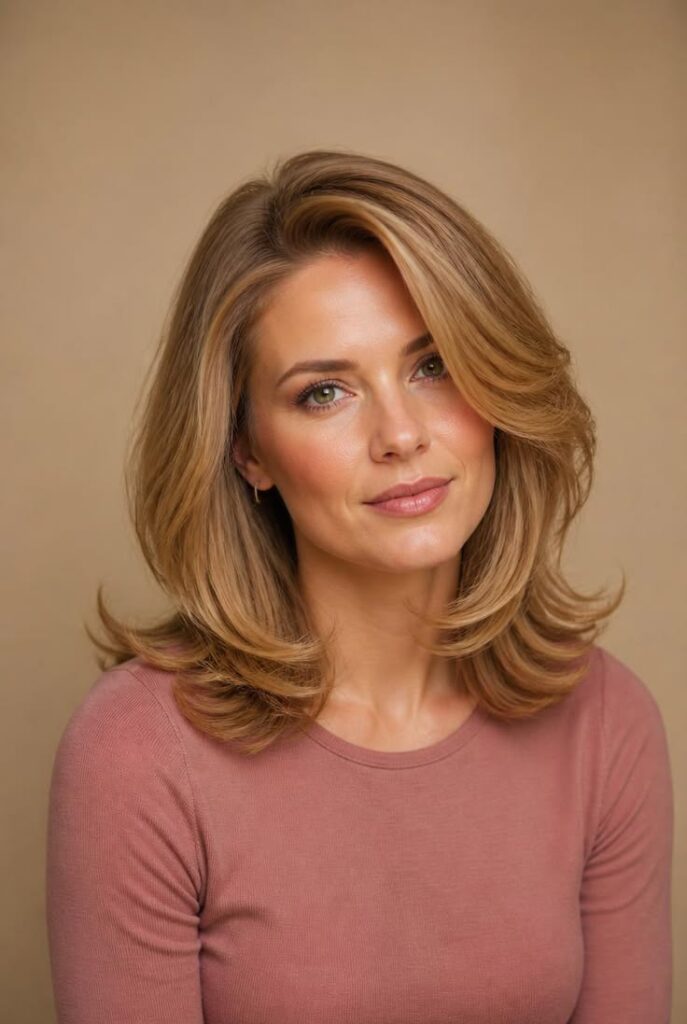
6. Short Shaggy Crop
The short shaggy crop is compact, with irregular texture concentrated through the crown and slightly longer pieces around the temples and ears.
The intentionally broken outline creates contrast against softer facial features and can make the cheekbones and jaw appear more pronounced.
Unlike a longer traditional shag, the shorter silhouette keeps the overall effect fresh and defined.
Best for: Round and oval faces.
Why it works: Texture around the perimeter creates definition without requiring a severe geometric cut.
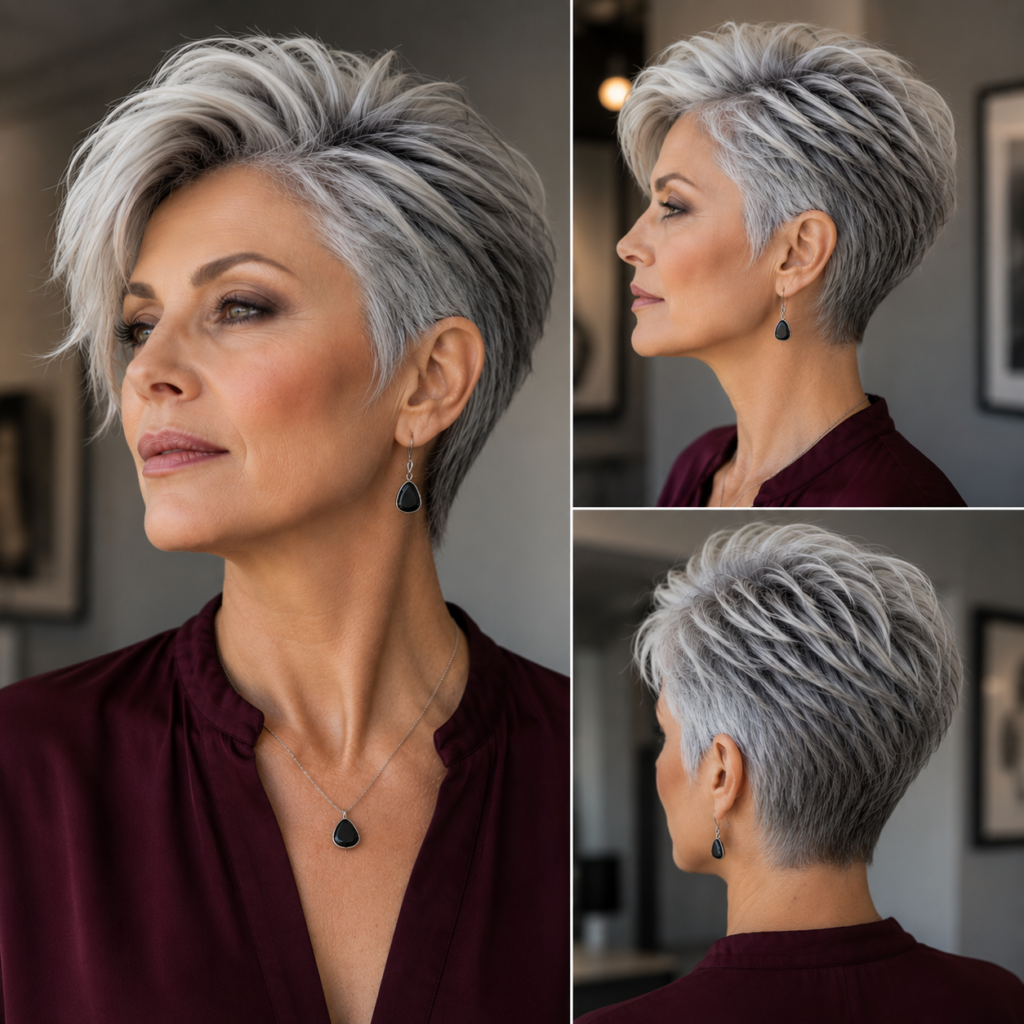
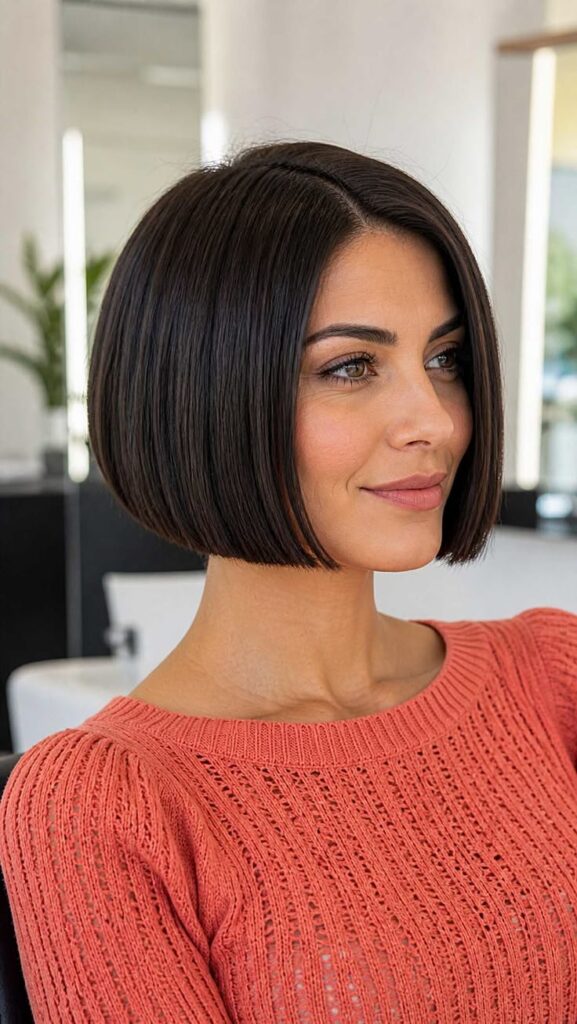
7. Chin-Length Italian Bob
The Italian bob is fuller and slightly more substantial than many classic short bobs.
Rather than tapering tightly toward the neck, it maintains weight through the sides and ends. Worn around chin length, that fullness creates a strong horizontal frame around the lower face.
It can be worn sleek, softly curved, or with natural texture.
Best for: Long, oval, and heart-shaped faces.
Why it works: The substantial perimeter gives the face a stronger visual frame.
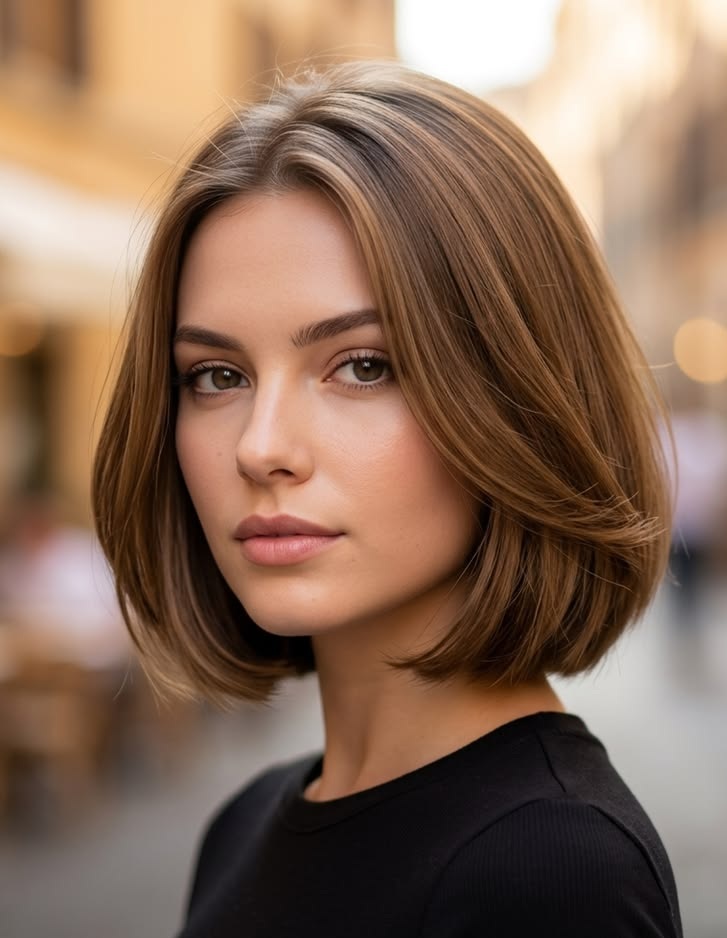
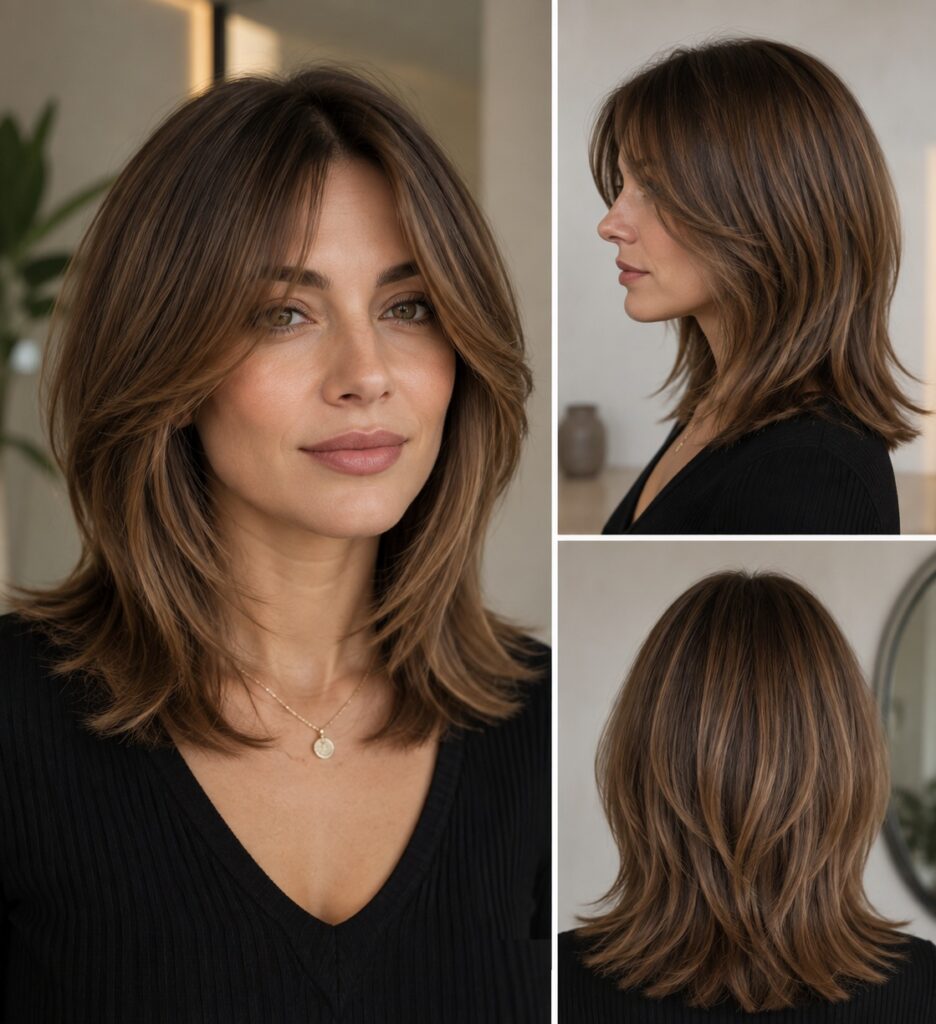
8. Medium Hush Cut
The hush cut uses exceptionally soft, blended shaping rather than obvious layers.
The front begins with delicate pieces around the cheekbones or jaw before disappearing almost seamlessly into the rest of the hair.
The result has movement without looking aggressively layered, making it a good choice for anyone who dislikes obvious steps through the haircut.
Best for: Most face shapes.
Why it works: Fine front sections highlight facial features without overwhelming them.
9. Sleek Shoulder-Length A-Line Cut
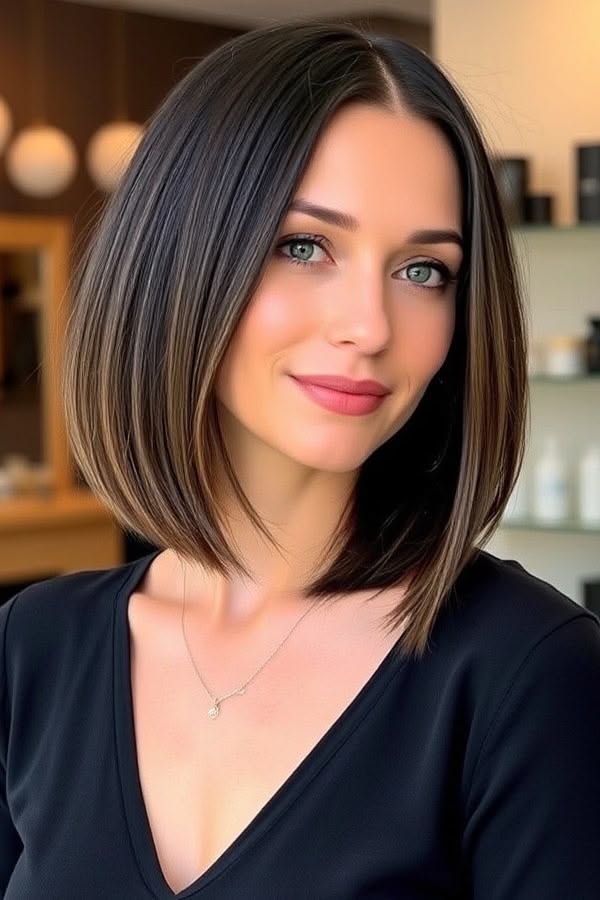
An A-line shape doesn’t have to be a short bob.
A longer version can sit around the shoulders, with the back subtly shorter and the front extending slightly farther down.
That forward-moving diagonal creates a clean line beside the jaw and neck, giving the entire haircut a sharper, more deliberate appearance.
Best for: Round, square, and oval faces.
Why it works: The diagonal front line visually elongates and defines the lower face.
10. Sculpted Ear-Length Cut
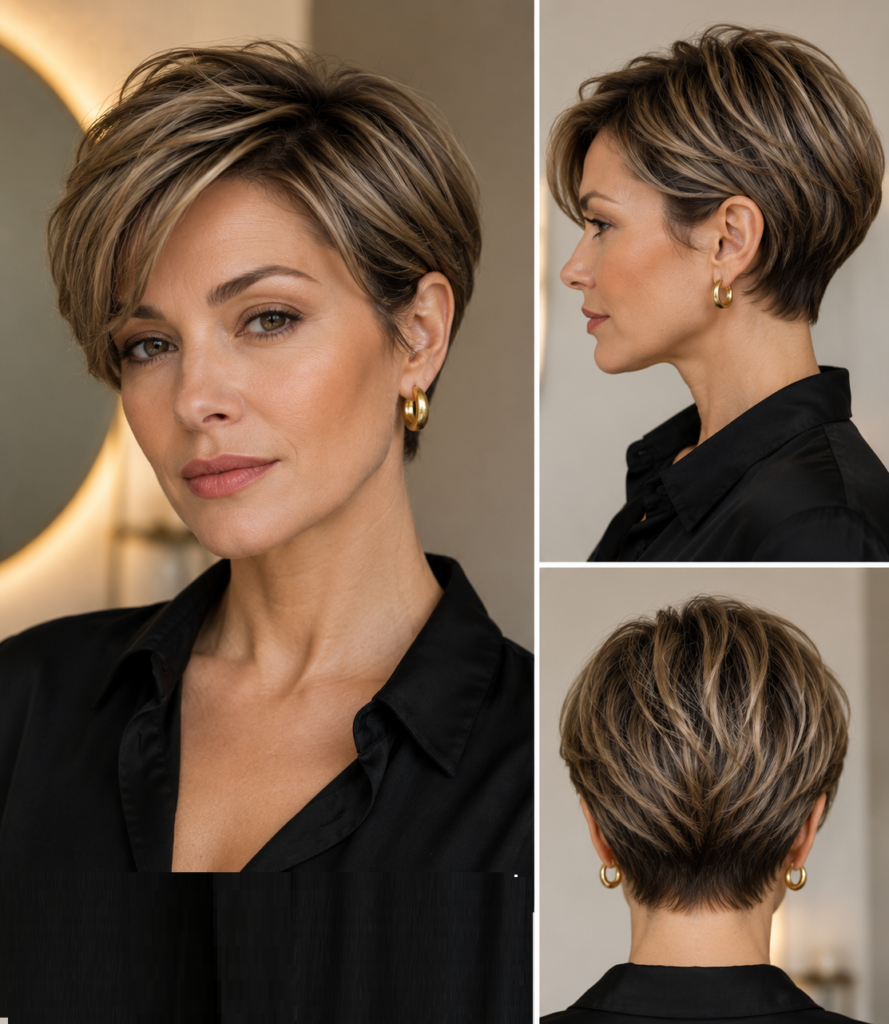
For someone ready to go genuinely short, an ear-length sculpted cut can create dramatic facial definition.
The sides remain neat and relatively close to the head while more length is retained through the top and front. Instead of hiding the face behind hair, the haircut exposes the cheekbones, jaw, and neck.
Soft texture keeps the result feminine and prevents the shape from becoming too severe.
Best for: Oval, heart-shaped, and petite facial proportions.
Why it works: Removing visual weight around the face allows the bone structure to become the focal point.
Where Should Face-Framing Pieces Actually Fall?
The answer depends on what you want to emphasize.
Pieces ending around the cheekbones naturally draw attention toward the middle of the face. Hair ending around the jawline can create a stronger lower-face frame, while longer pieces beginning below the chin generally produce a softer, more elongated effect.
This is why copying someone else’s haircut exactly doesn’t always produce the same result.
Two people can wear the same overall length but need completely different placement around the face.
Does Shorter Hair Automatically Make the Face Look More Defined?
Not necessarily.
A short haircut exposes more of the face, but the silhouette still matters. Excessive width at cheek level can visually broaden a face, while too much height at the crown can make an already-long face appear even longer.
The goal isn’t simply to remove hair. It’s to place length, weight, and movement where they complement your proportions.
What to Tell Your Hairstylist
Instead of simply asking for “face-framing layers,” explain what you actually want the haircut to emphasize.
You might want to bring attention to your cheekbones, create a cleaner line around the jaw, visually elongate a rounder face, or soften strong angles.
That gives your stylist much more useful information than requesting a trend by name.
Also mention how you normally style your hair. Facial framing that looks beautiful after a professional blowout may behave very differently when left to air-dry.
The Bottom Line
A flattering haircut isn’t about hiding your face. It’s about deciding where the eye naturally lands.
A cheekbone-length crop can bring attention upward. A strong chin-length perimeter can frame the jaw. A curved medium cut can soften the outline, while a longer A-line shape can create visual length.
Small differences in placement can completely change the effect.
The best choice is the one that works not only with your face shape, but also with your natural texture, density, and everyday styling routine.