Best Haircuts for Fine Hair Over 50 That Hold Their Shape All Day
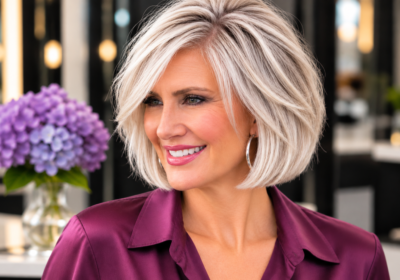
Fine hair can look beautiful in the morning, only to lose its volume and shape a few hours later. The crown falls flat, the ends lose their movement, and suddenly your carefully styled haircut looks completely different.
For women over 50, finding the right haircut can make everyday styling much easier.
The secret isn’t always adding more layers or using stronger hairspray. It’s choosing a haircut with the right structure, length, and weight distribution for your natural hair texture.
Whether you love a short pixie, a softly layered bob, or a flattering medium-length cut, these nine hairstyles can help fine hair look fuller and maintain a beautiful silhouette with less effort.
Haircuts That Add Volume to Thin Hair – If you need more volume
1. The Softly Stacked Bob
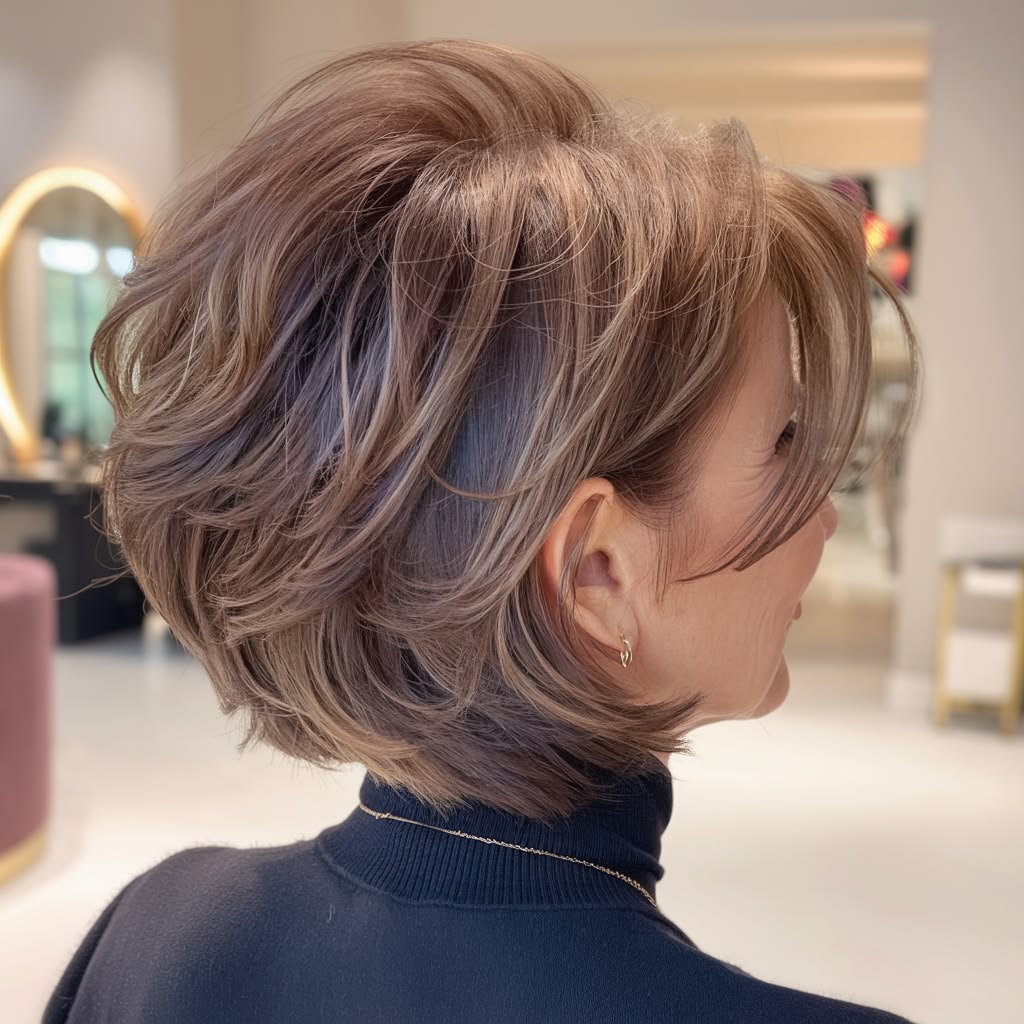
A softly stacked bob is an excellent choice for fine hair that struggles to maintain volume at the back.
This haircut uses gentle graduation around the nape to create a rounded, structured silhouette. The front remains slightly longer, giving the style an elegant, face-framing finish.
Unlike heavily layered haircuts, a softly stacked bob preserves enough density to keep the ends looking substantial.
Why it works for fine hair:
- Creates a naturally rounded shape at the back.
- Adds the appearance of fullness around the crown.
- Keeps the overall silhouette polished.
- Requires relatively little daily styling.
Styling tip: Use a round brush to gently lift the roots at the crown. Avoid applying heavy styling products near the scalp.
2. The Textured Pixie With a Longer Crown
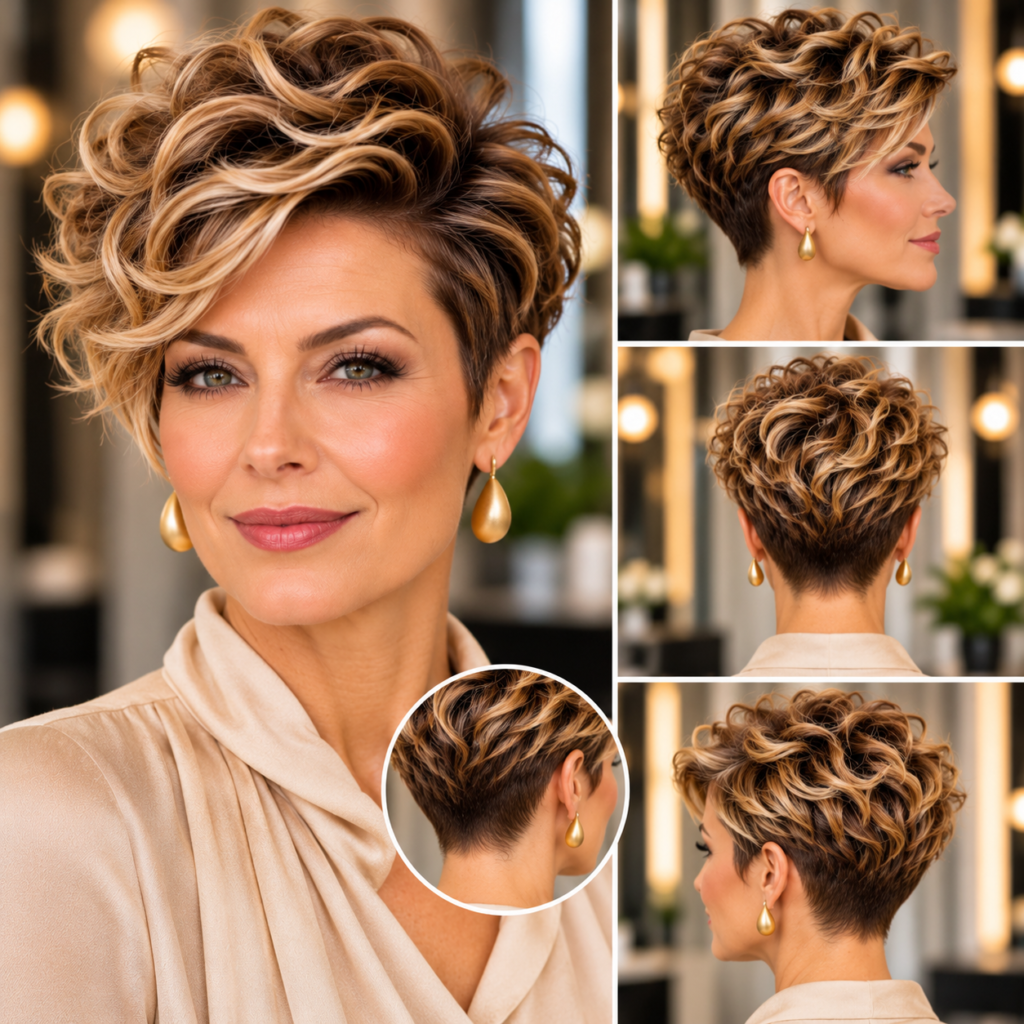
If you prefer very short hair, a textured pixie with slightly longer layers on top can be a flattering option.
The shorter sides and back create a clean outline, while the longer crown allows the hair to move naturally.
The most important detail is preserving enough length and density through the top. Over-thinning can make fine hair appear sparse rather than fuller.
Why it works for fine hair:
- Creates contrast between the shorter sides and fuller crown.
- Adds texture without requiring excessive styling.
- Keeps the haircut light and manageable.
- Can be styled sleek or softly tousled.
Styling tip: Apply a tiny amount of lightweight texturizing cream to dry hair and gently separate a few sections with your fingertips.
3. The Chin-Length Bob With Full-Looking Ends
Sometimes a simple haircut delivers the most elegant result.
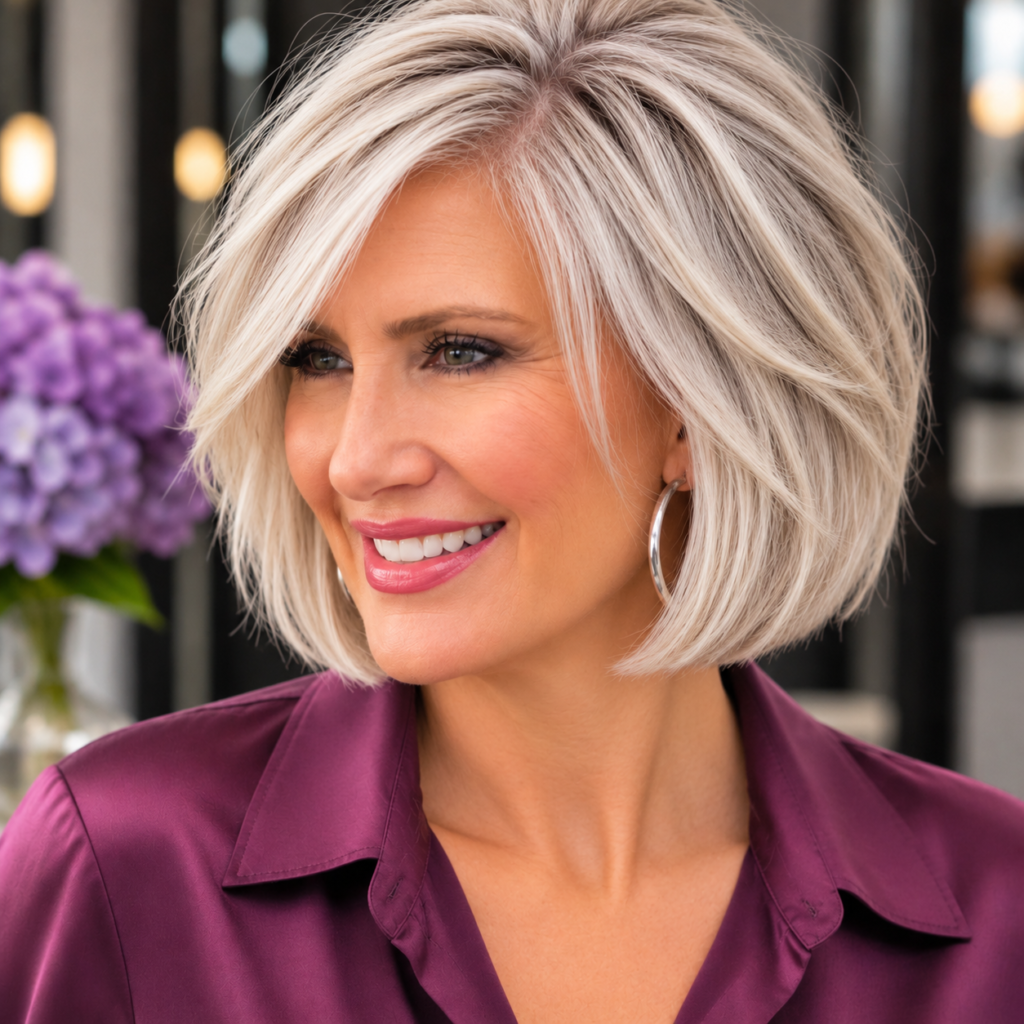
A chin-length bob with a defined perimeter can make fine hair appear thicker because the ends are concentrated at approximately the same length.
This creates a stronger visual outline than heavily feathered styles.
A slightly rounded finish softens the shape and prevents the haircut from looking too severe.
Why it works for fine hair:
- Maintains the appearance of density through the ends.
- Creates a clean, timeless silhouette.
- Works beautifully with straight or slightly wavy textures.
- Can be styled with a center or side part.
Styling tip: Blow-dry the ends with a slight inward curve for a soft, polished finish.
4. The Layered Pixie Bob
A layered pixie bob combines the structure of a short pixie with the softness of a classic bob.
The back is usually shorter and more shaped, while the front features longer, face-framing sections.
This balance can make the haircut appear fuller without creating excessive bulk.
For women over 50 who want a modern haircut that still feels feminine and versatile, the pixie bob is worth considering.
Why it works for fine hair:
- Creates a flattering shape around the crown.
- Offers more styling flexibility than a traditional pixie.
- Frames the face with soft, controlled layers.
- Helps fine hair maintain a defined silhouette.
Styling tip: Focus on lifting the crown while keeping the sides smooth and natural.
See here Short Haircuts for Thin Hair That Don’t Look Flat
5. The Rounded French Bob
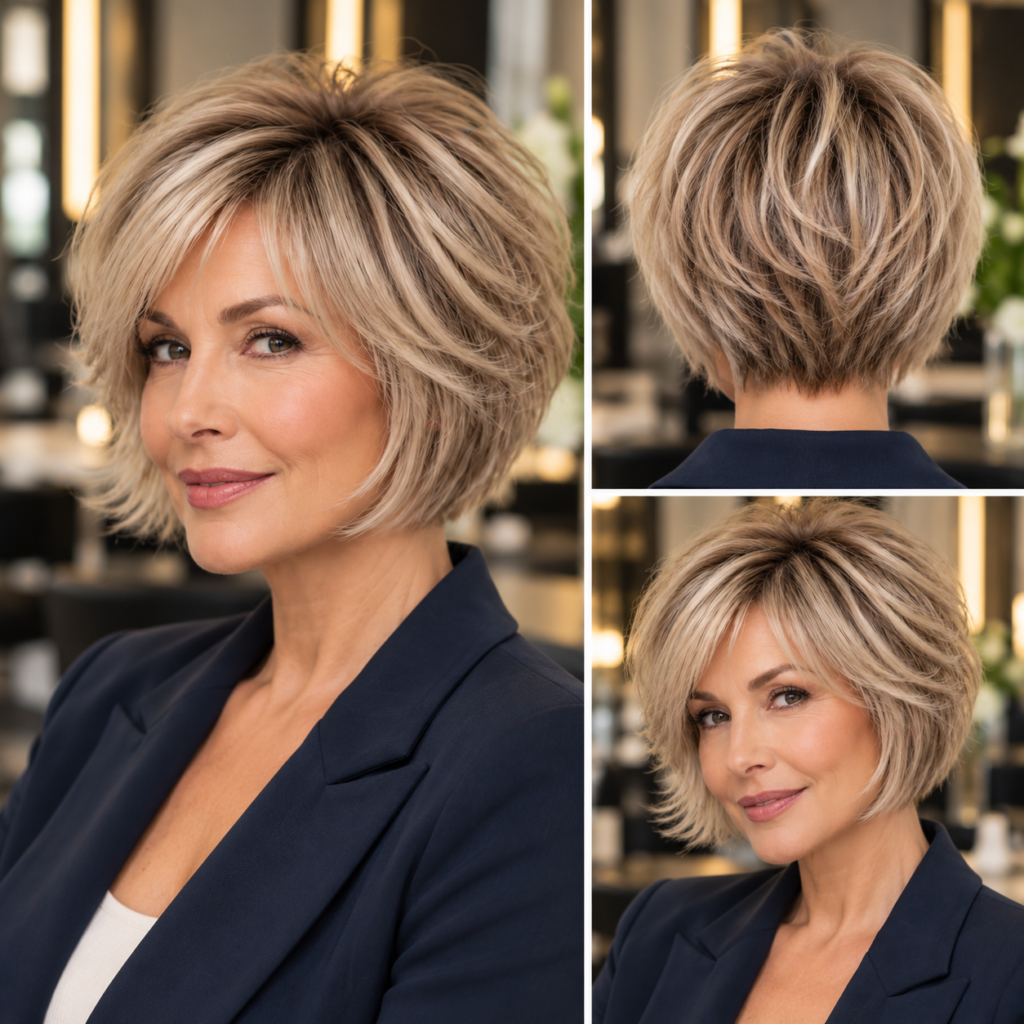
The French bob is a timeless haircut that works particularly well when fine hair needs a stronger outline.
Its signature shape usually sits around the jawline, with a softly rounded perimeter and minimal layering.
This keeps the ends looking fuller while giving the haircut an effortless, sophisticated appearance.
A soft fringe can complement the style, but it should be adapted to your hair density.
Why it works for fine hair:
- Keeps more visual weight through the ends.
- Creates a compact, elegant shape.
- Works well with natural movement.
- Offers a chic appearance without complicated styling.
Styling tip: Use a lightweight volumizing mousse before blow-drying, concentrating on the roots rather than the ends.
6. The Soft Feathered Cut
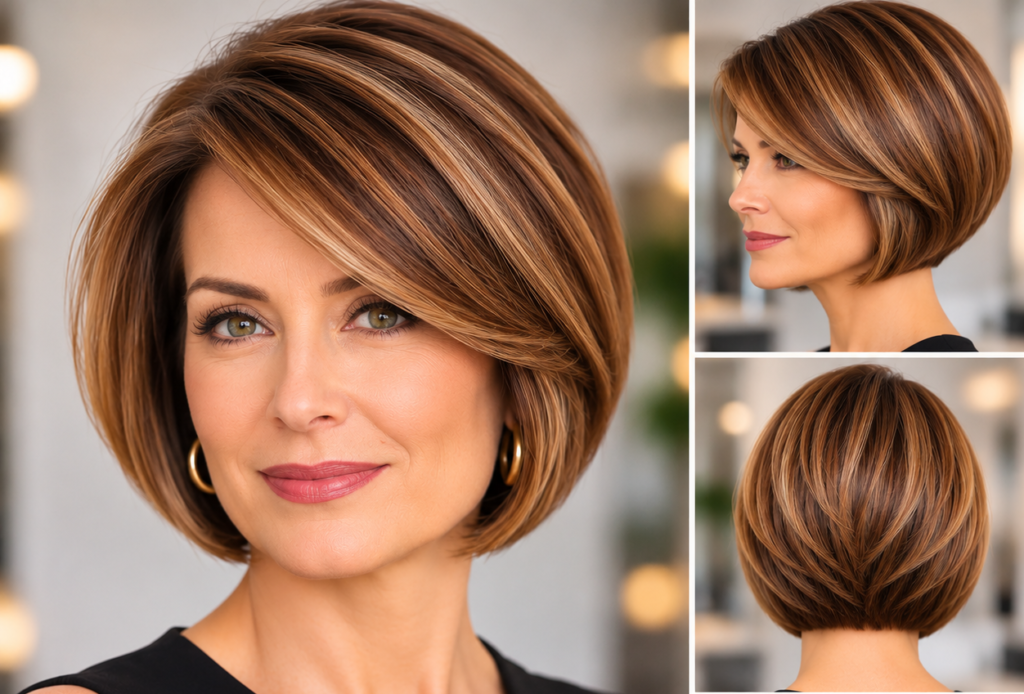
Feathered haircuts are a beautiful option for women who prefer movement and softness around the face.
The key is keeping the layering controlled.
Too many short layers can remove valuable density from fine hair. However, carefully placed feathered sections can create a light, airy finish while preserving the overall shape.
This style is especially flattering when paired with a soft side-swept fringe.
Why it works for fine hair:
- Adds movement around the face.
- Softens the overall silhouette.
- Creates the appearance of lift without excessive volume.
- Offers a feminine, easy-to-wear finish.
Styling tip: Direct the front layers gently away from the face using a round brush.
More syles here Layered Haircuts for Fine Hair Over 50
7. The Side-Parted Asymmetrical Bob
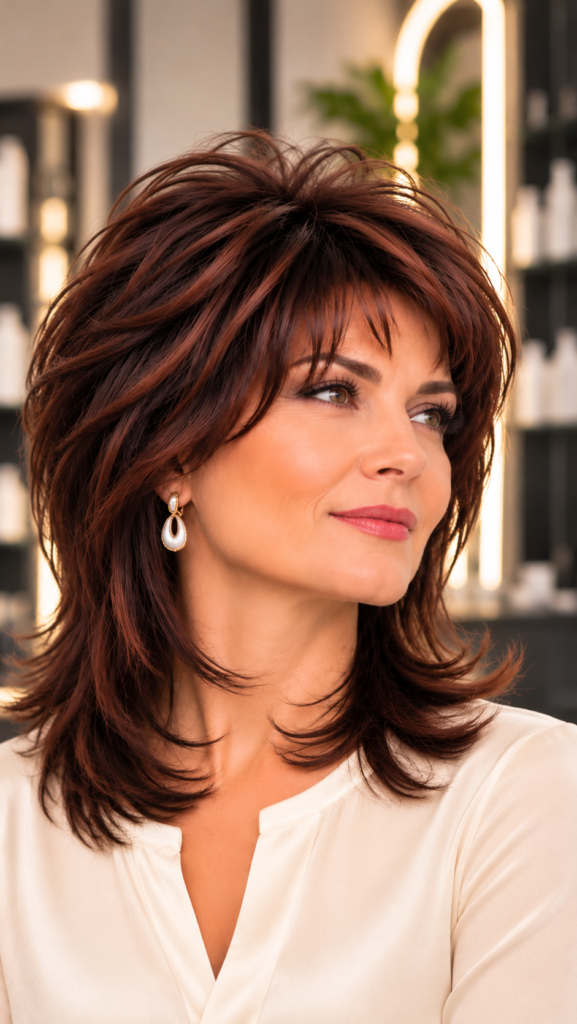
A slightly asymmetrical bob is a modern alternative to a traditional blunt haircut.
One side is subtly longer than the other, creating a more dynamic silhouette.
For fine hair, this small difference in length can add visual interest without requiring extensive layering.
A side part may also help create temporary root lift by changing the direction of the hair.
Why it works for fine hair:
-
- Creates a flattering, contemporary outline.
- Preserves density through the ends.
- Adds visual movement around the face.
- Works with straight and softly wavy textures.
Styling tip: Try moving your part slightly to the opposite side when your roots begin to look flat.
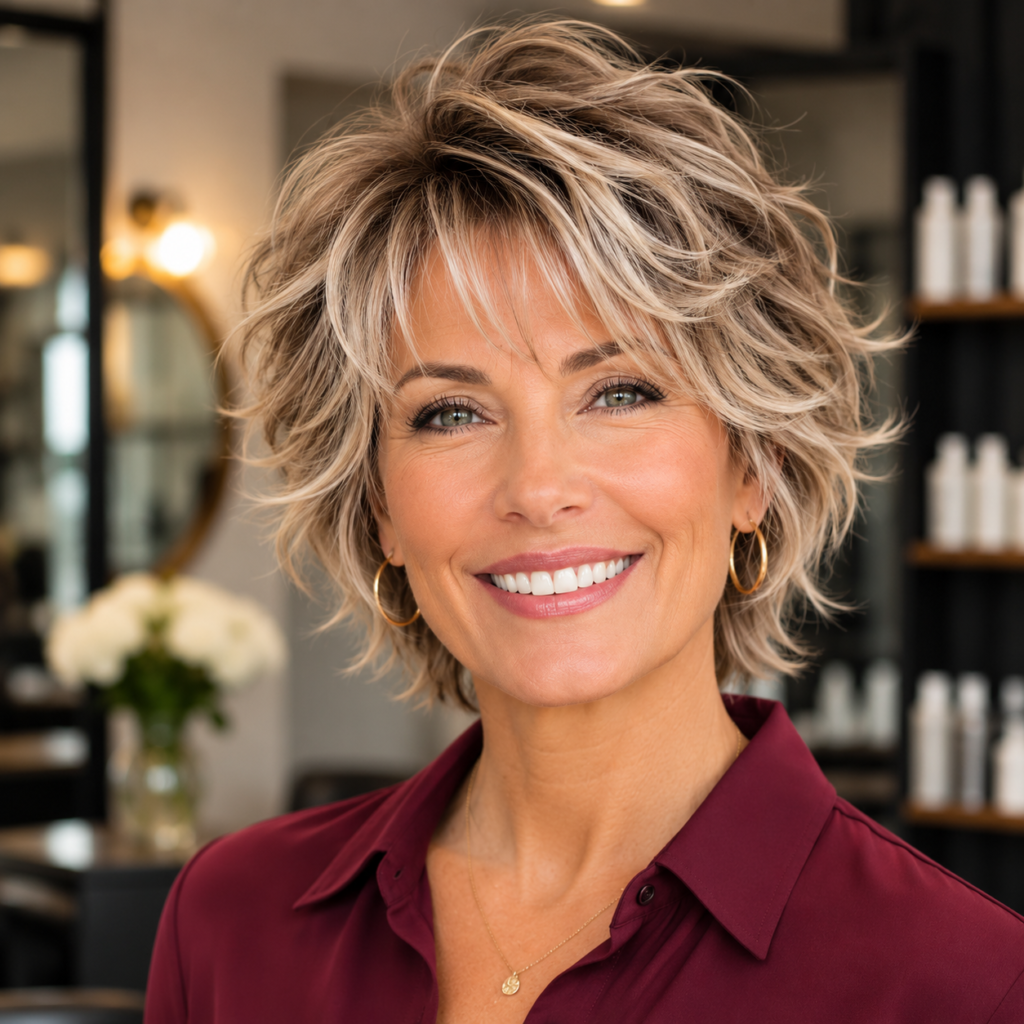
8. The Soft Short Shag
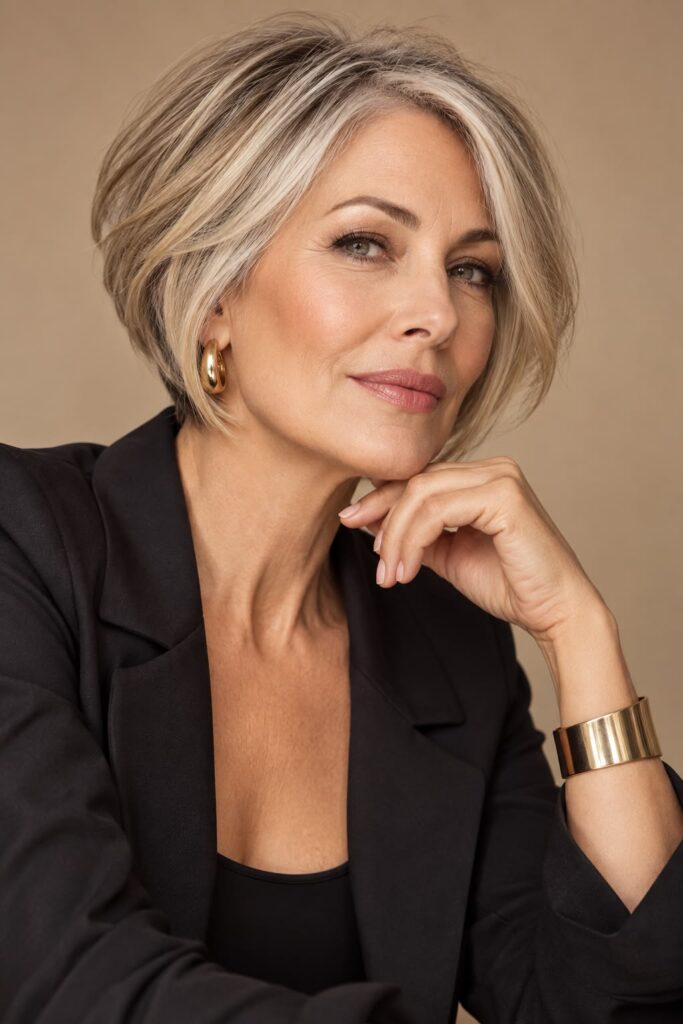
A short shag can be an excellent option for fine hair with some natural wave or movement.
Modern versions are softer and more controlled than heavily layered traditional shags.
The best approach is to maintain fullness around the perimeter while introducing gentle texture through the crown and face-framing sections.
This creates a relaxed, flattering haircut that doesn’t depend on perfectly smooth styling.
Why it works for fine hair:
- Enhances natural texture.
- Creates movement around the crown.
- Offers a relaxed, modern silhouette.
- Can reduce the need for daily heat styling.
Styling tip: Apply a lightweight styling foam to damp hair and gently scrunch to encourage natural movement.
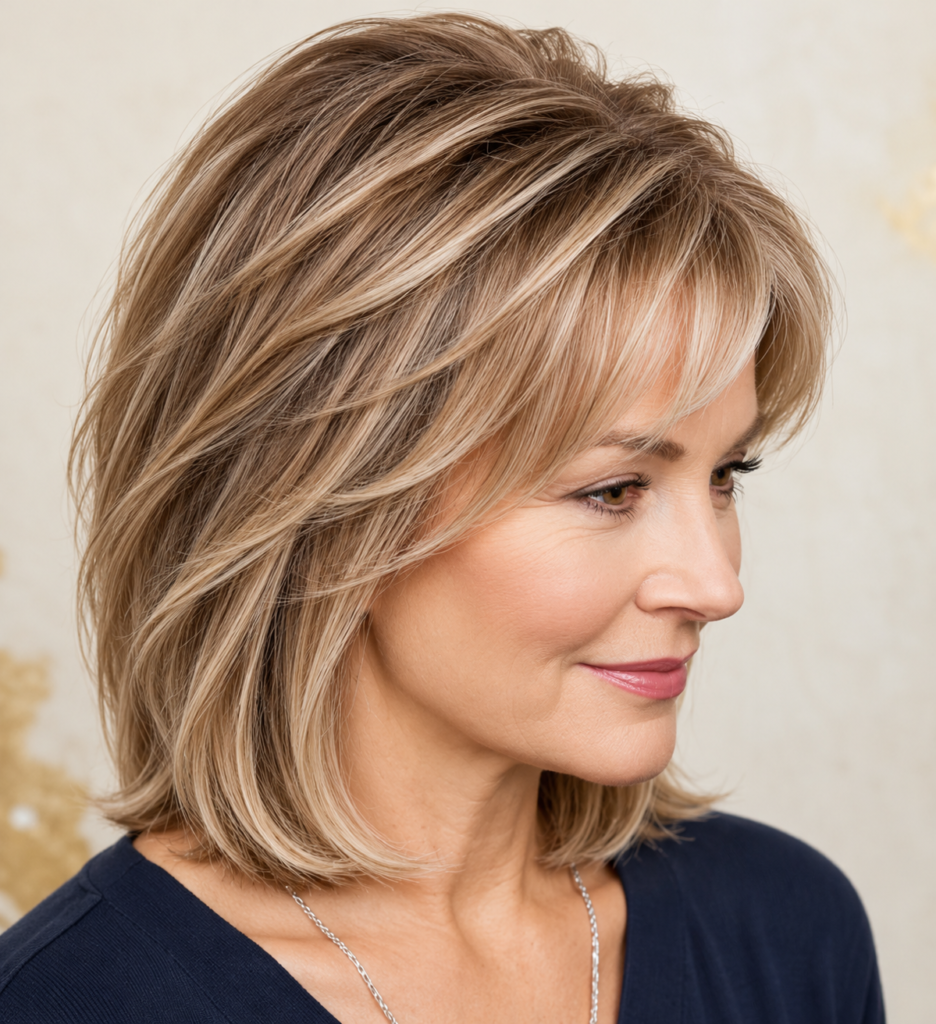
9. The Collarbone-Length Cut With Invisible Layers
Not every woman over 50 wants short hair.
If you prefer keeping some length, a collarbone-length haircut with subtle internal layers can be a beautiful compromise.
Invisible layers are designed to create movement without making the haircut look obviously layered.
Keeping the ends relatively full helps preserve the appearance of density.
Why it works for fine hair:
- Maintains a fuller-looking perimeter.
- Adds gentle movement without excessive thinning.
- Offers versatile styling options.
- Works well for women transitioning from longer hair.
Styling tip: Keep conditioning products concentrated on the mid-lengths and ends rather than the roots.
Why Does Fine Hair Lose Its Shape So Quickly?
Fine hair has a smaller individual strand diameter, which can make certain styles more prone to collapsing, especially when the hair is long, oily, or weighed down by products.
Several factors can influence how long your hairstyle maintains its shape:
- Hair length: Longer hair may be pulled downward by its own weight.
- Layer placement: Excessive layering can reduce the appearance of density.
- Natural texture: Straight, wavy, and curly hair respond differently to styling.
- Humidity: Moisture in the air can affect the shape of styled hair.
- Product buildup: Heavy creams and oils can make fine hair appear flatter.
- Haircut structure: A balanced silhouette can remain flattering even when some root volume disappears.
No haircut can guarantee all-day volume for every person, but the right shape can make a noticeable difference.
Which Haircuts Make Fine Hair Look Thicker After 50?
If your main concern is thin-looking ends, consider a chin-length bob, a French bob, or a softly stacked bob.
These styles maintain a more defined perimeter and can create the appearance of greater density.
If your main concern is a flat crown, a textured pixie or layered pixie bob may be more suitable.
For naturally wavy fine hair, a softly layered shag can enhance movement without requiring perfectly styled roots.
The best choice depends on your hair density, natural texture, face shape, and how much time you want to spend styling.
How to Keep Fine Hair Looking Fuller Throughout the Day
A flattering haircut is the foundation, but a few simple habits can help maintain its appearance.
Use Lightweight Products
Choose styling products formulated for fine hair. Heavy creams, rich oils, and excessive conditioner can weigh down the roots.
Focus on Root Lift
When blow-drying, gently lift the hair at the crown rather than trying to create volume everywhere.
Avoid Over-Thinning
Ask your hairstylist to preserve enough density through the ends, especially if your hair is already fine or sparse.
Refresh Your Part
Changing your part slightly can provide temporary lift when your hair starts to settle.
Choose a Shape That Works Naturally
A haircut that complements your natural texture will generally require less effort than one that needs extensive daily manipulation.
Extra tips Haircuts That Look Good Without Styling
What Should You Ask Your Hairstylist?
Before your next appointment, explain what happens to your hair throughout the day.
Does your crown flatten by lunchtime? Do your ends separate? Does your fringe lose its shape?
These details can help your stylist determine where your haircut needs more structure and where it should retain weight.
Bring photographs showing the front, side, and back of your preferred style.
Most importantly, ask for a haircut that looks flattering even when it isn’t freshly blow-dried.
Final Thoughts
The best haircuts for fine hair over 50 aren’t necessarily the shortest or the most heavily layered.
They’re the ones that create a balanced silhouette, preserve the appearance of density, and work with your natural hair texture.
From a softly stacked bob to a textured pixie or an elegant French bob, the right haircut can help your hair look fuller and stay beautifully shaped with less daily effort.
Which haircut would you choose: a textured pixie, a softly stacked bob, or a layered pixie bob?