Top Short Haircuts That Add Volume to Fine Hair After 50
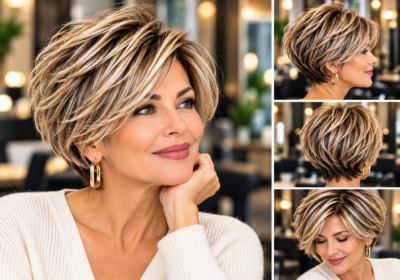
Beautiful short hairstyles that create natural fullness, movement, and shape—without making fine hair look puffy.
Fine hair after 50 doesn’t necessarily need more layers or more styling products. Sometimes, the secret to a fuller-looking hairstyle is simply choosing a haircut with the right structure.
A well-designed short haircut can create lift at the crown, preserve fullness around the sides, and give the back of your hair a beautiful shape. The key is understanding where to add movement—and where to keep enough weight.
From softly stacked bobs to textured pixies, these short haircuts offer different ways to make fine hair look fuller while keeping the result modern, elegant, and easy to wear.
1. The Soft Stacked Bob
A soft stacked bob is particularly effective when fine hair tends to fall flat at the back of the head.
Its graduated shape creates a gentle curve through the back, while slightly longer pieces around the face maintain a flattering silhouette. Unlike heavily stacked cuts, a softer version avoids removing too much hair from the ends.
Why it works: The graduation builds shape at the back, creating the appearance of fullness without requiring excessive teasing or styling.
Ask your stylist for: A softly graduated nape, subtle crown layers, and enough length around the front to maintain movement.
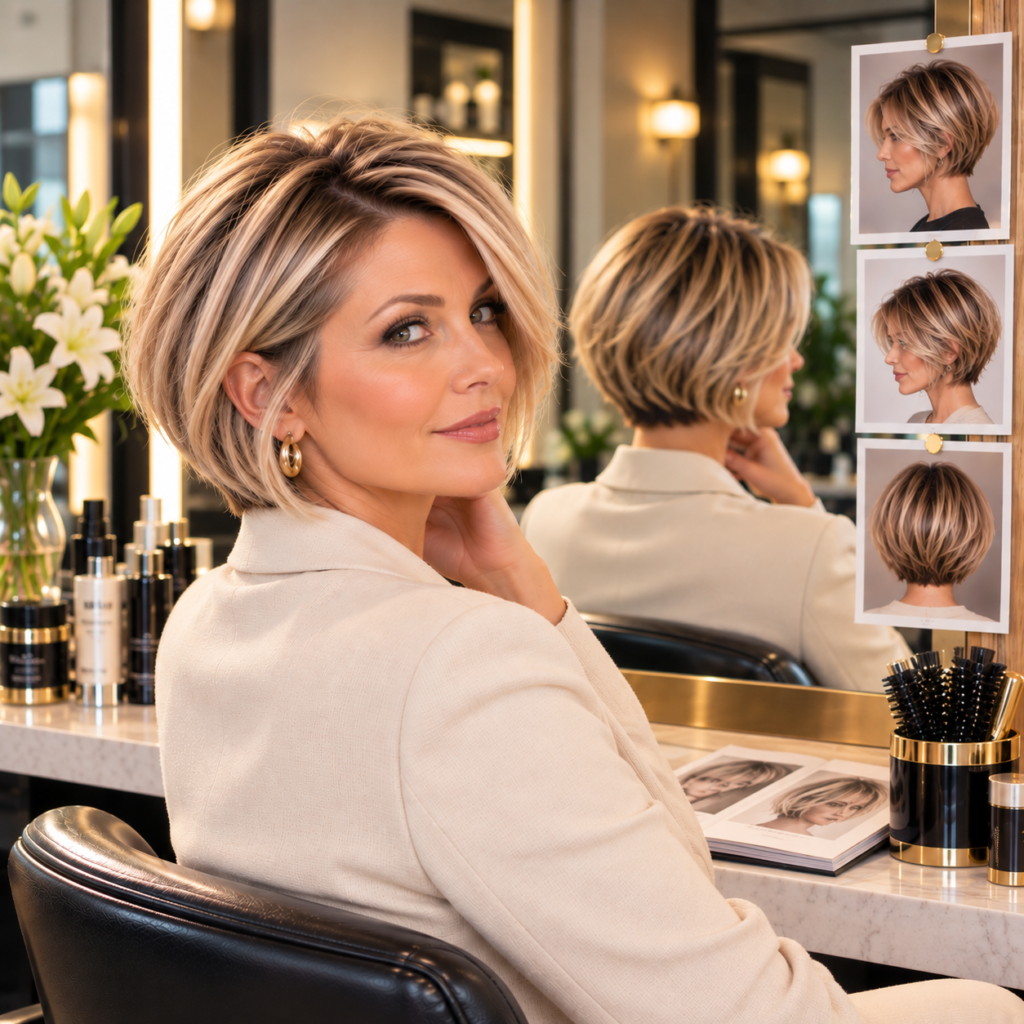
2. The Layered Pixie With Gentle Crown Lift
A layered pixie can give fine hair a beautifully defined shape, especially when the layers are concentrated around the crown rather than distributed heavily throughout the entire haircut.
The result is a lightweight, airy style with subtle lift on top and neatly shaped sides.
Why it works: Carefully placed short layers allow the crown to lift naturally, while the sides remain controlled.
Ask your stylist for: Soft crown texture, a longer feminine fringe, and a neatly tapered neckline.
Avoid excessive thinning, which can make already-fine hair appear sparse.
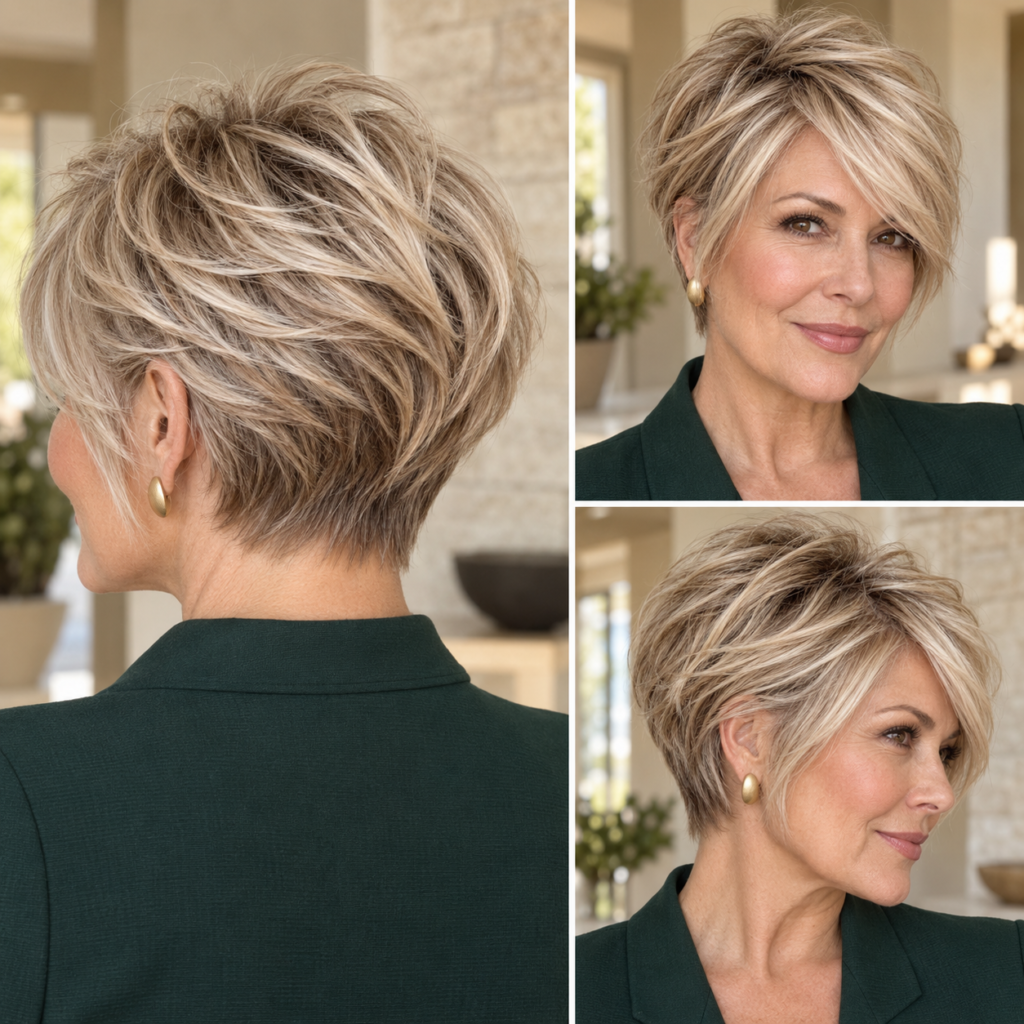
3. The Jaw-Length Bob With a Strong Perimeter
Not every haircut for fine hair needs layers. In fact, a jaw-length bob with a strong perimeter can make fine strands appear noticeably fuller.
Keeping the ends relatively even creates a more substantial outline. A soft side part or a subtle bend through the front can add movement without compromising density.
Why it works: A defined perimeter makes the ends appear thicker, while the shorter length reduces the weight that can pull fine hair flat.
Ask your stylist for: A jaw-length bob with minimal internal layering and a clean but softly finished outline.
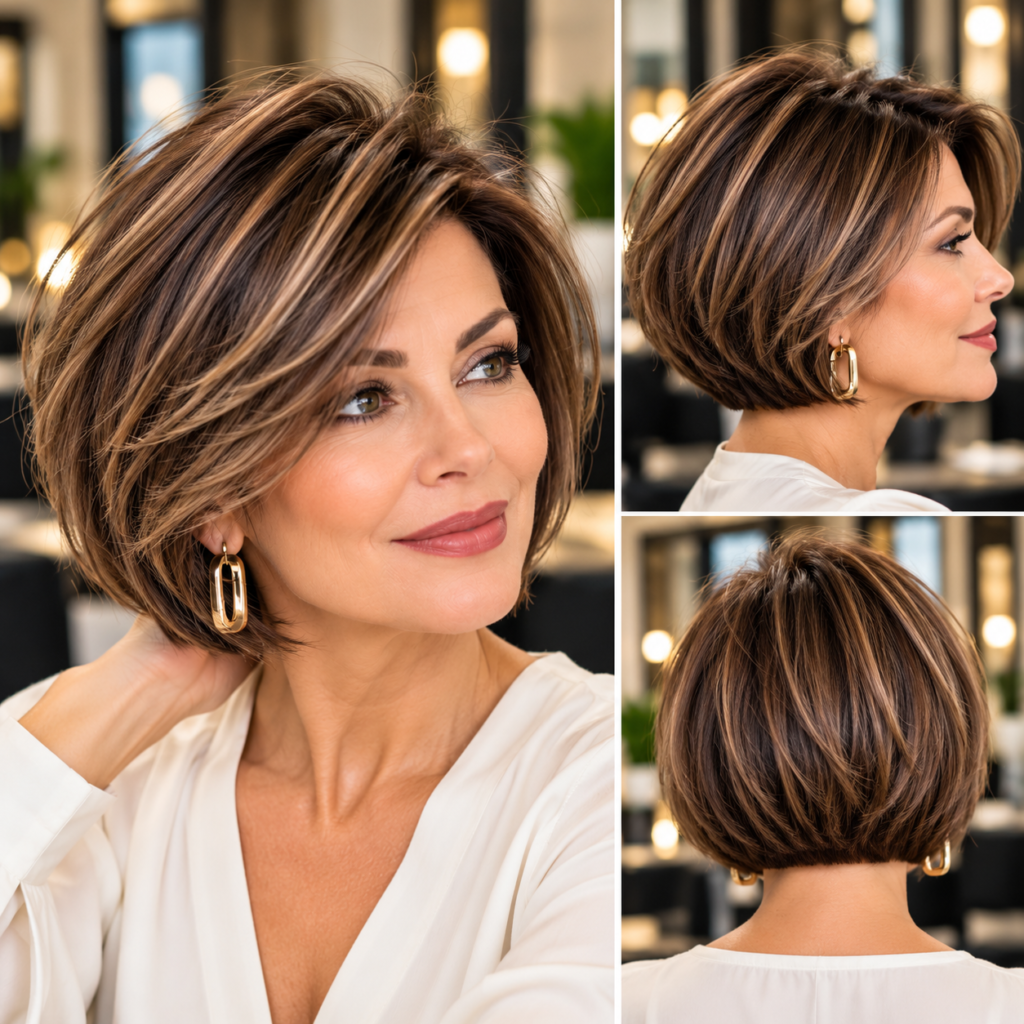
4. The Textured Bixie
The bixie combines the shape of a bob with the lightness of a pixie. It offers more movement than a classic bob while retaining enough length to frame the face.
For fine hair, the most flattering versions have controlled texture rather than dramatically disconnected layers.
Why it works: Shorter sections around the crown introduce movement, while the longer fringe and sides preserve the impression of fullness.
Ask your stylist for: A soft bixie with a defined back, longer face-framing pieces, and light, strategic texturizing.
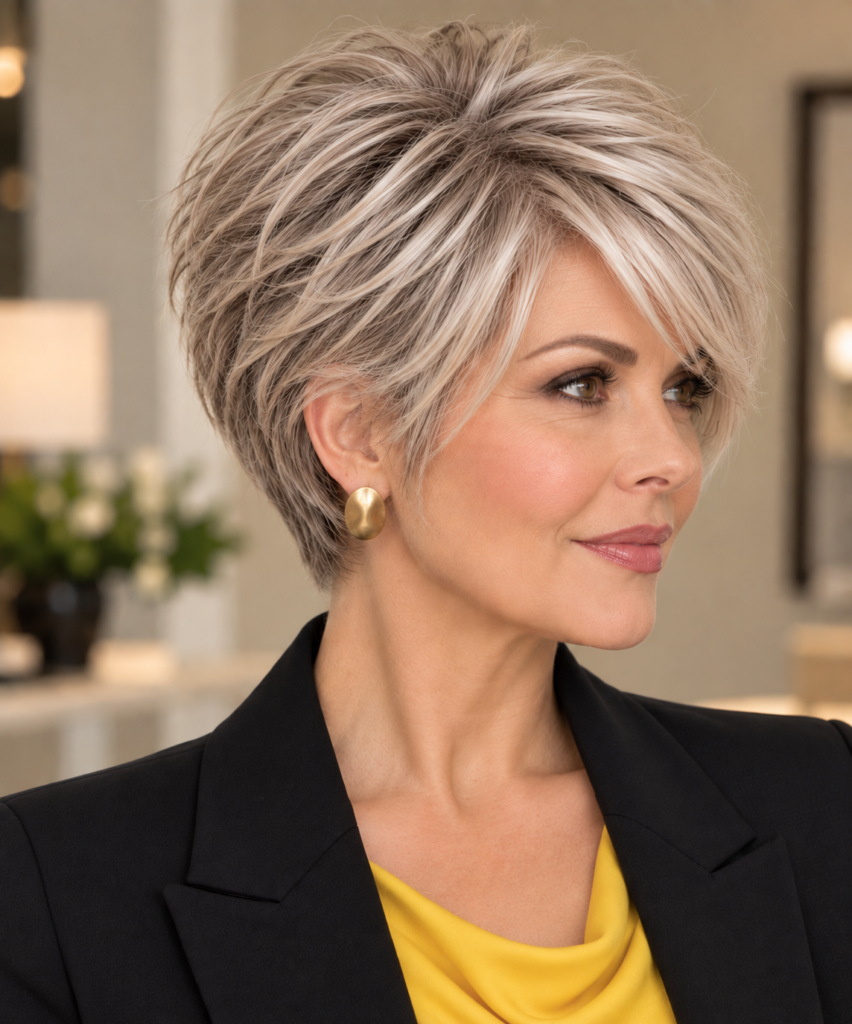
5. The Soft Graduated Bob
A graduated bob is a beautiful option for women who want a polished silhouette without spending too much time styling.
The back is slightly shorter than the front, creating a subtle forward angle. The graduation should be gentle enough to preserve fullness through the sides.
Why it works: The shape introduces natural lift at the back while directing the longer front sections toward the face.
Ask your stylist for: Soft graduation rather than a dramatic stacked shape, with a smooth transition between the back and front.
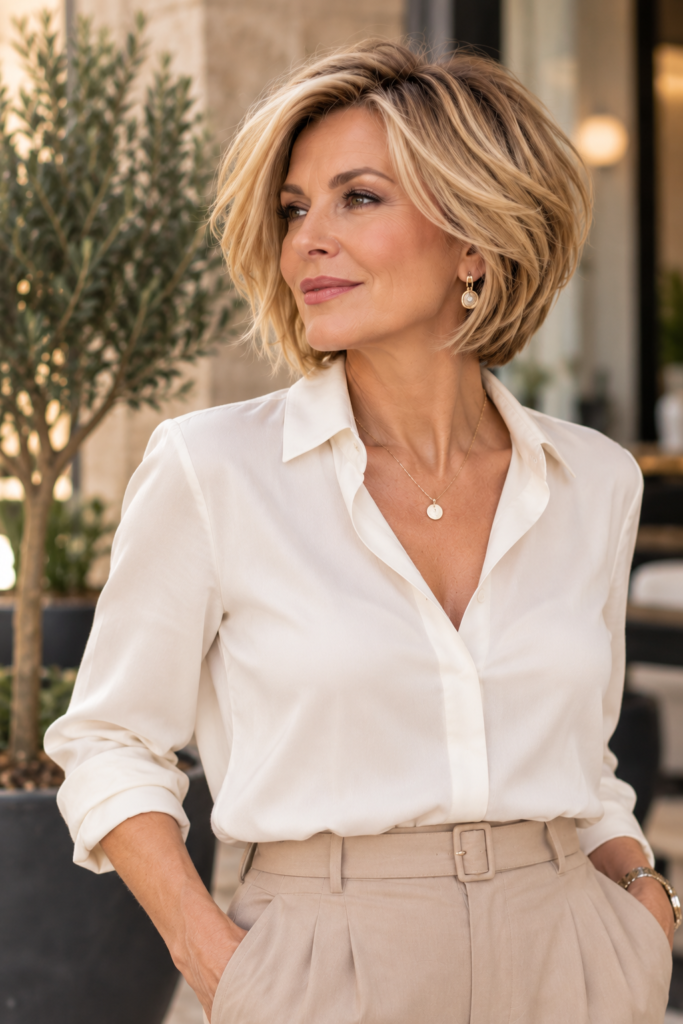
6. The Side-Parted Short Bob
A side part can transform the appearance of a short bob without requiring a complicated haircut.
By shifting the part, you can create natural height on one side and give the front sections a more flowing shape.
This style works particularly well with a chin-length or slightly shorter bob that has a relatively full perimeter.
Why it works: The asymmetrical distribution of hair creates the appearance of lift, while the compact length keeps the ends looking substantial.
Ask your stylist for: A softly shaped short bob that can be worn with either a side part or a slightly off-center part.
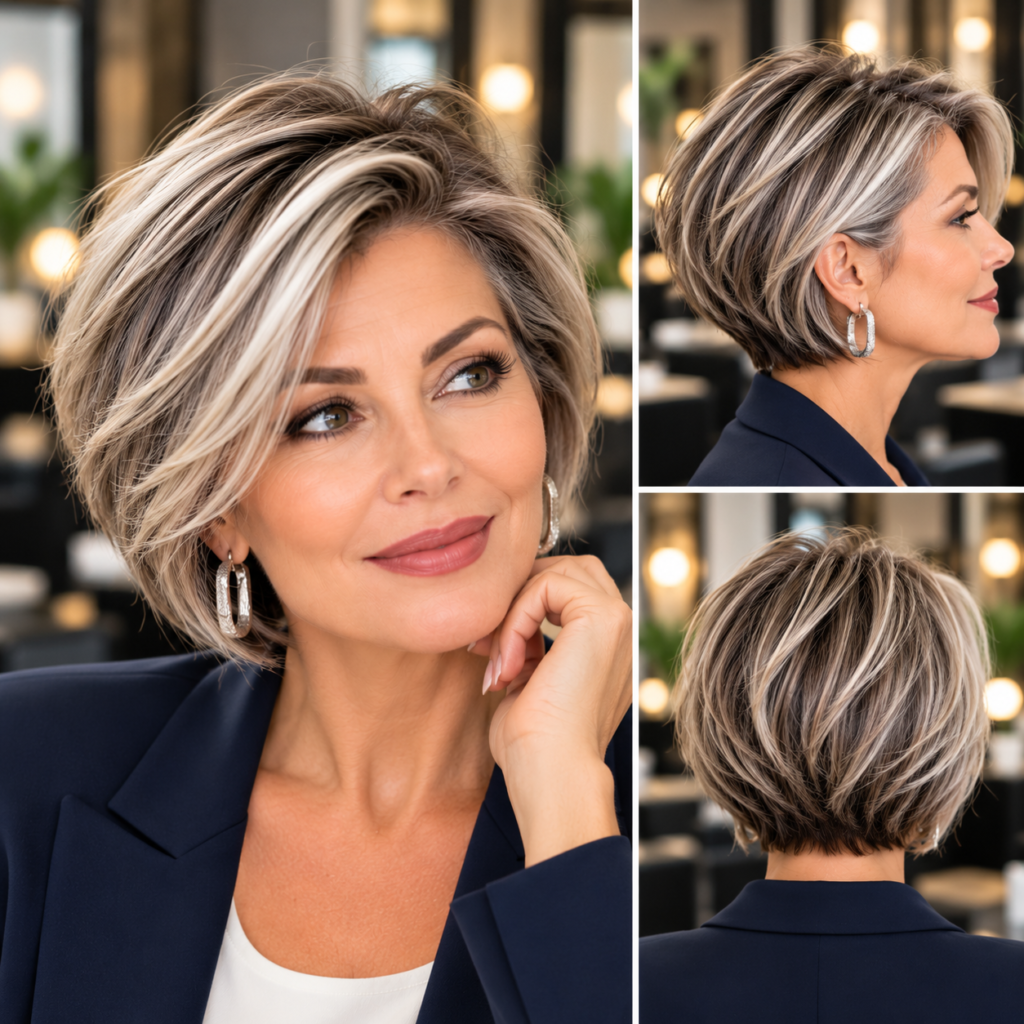
7. The Short Shag With Controlled Layers
A short shag can work beautifully for fine hair when the layers are carefully controlled.
Instead of removing weight throughout the entire haircut, the stylist can introduce movement around the crown and face while keeping the lower sections relatively full.
Why it works: Soft texture creates dimension and separation, preventing the hairstyle from looking flat or overly uniform.
Ask your stylist for: A modern, softly layered short shag with a light fringe and enough density through the lower sections.
Avoid extremely choppy layers if your hair is very fine or naturally sparse.
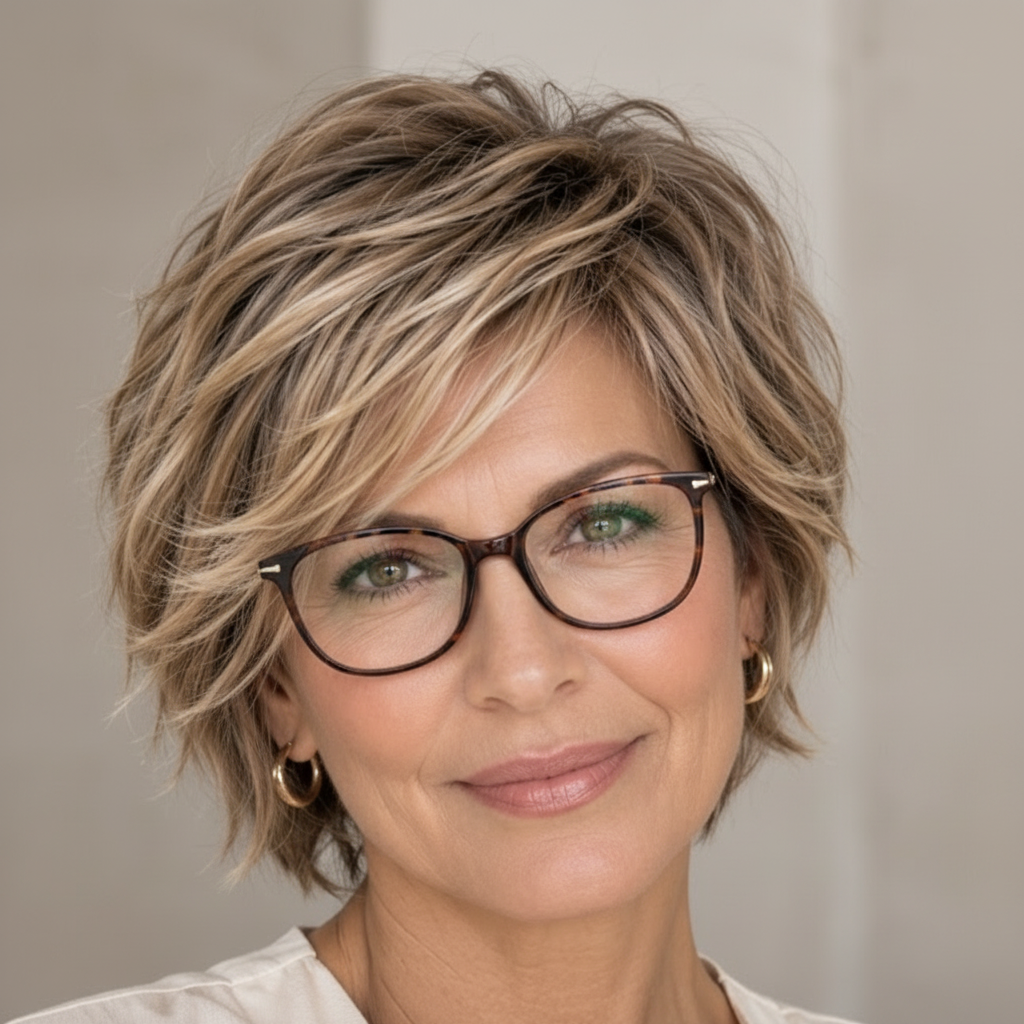
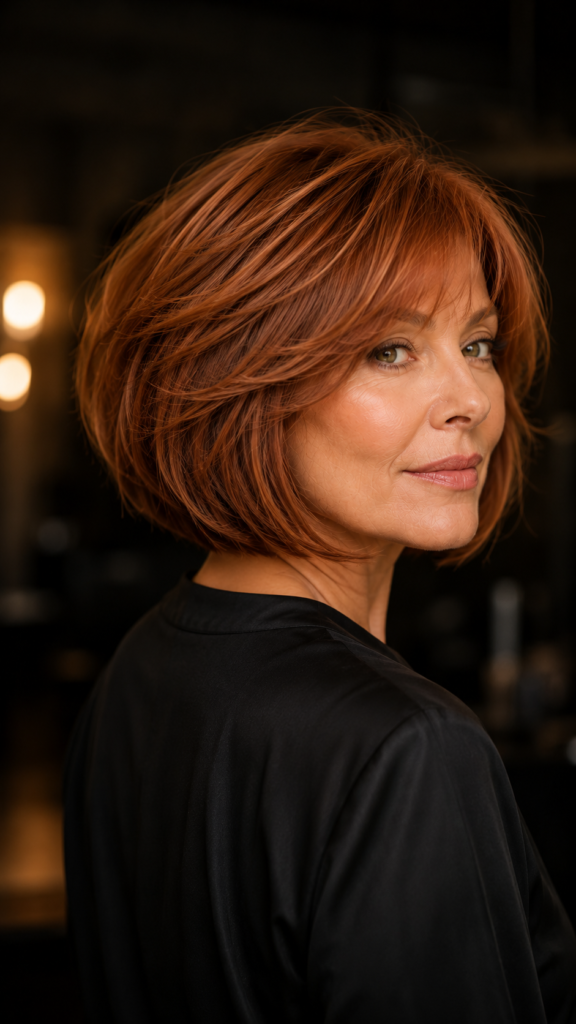
8. The Rounded Short Bob
A rounded short bob creates a smooth, elegant silhouette that can be particularly flattering when fine hair lacks shape at the back.
The secret is keeping the graduation subtle and allowing the hair to follow the natural curve of the head.
Why it works: A softly rounded outline gives the appearance of a fuller shape without requiring dramatic layers or exaggerated styling.
Ask your stylist for: A gently rounded bob with minimal internal layering and a naturally shaped nape.
9. The Long Pixie With a Side-Swept Fringe
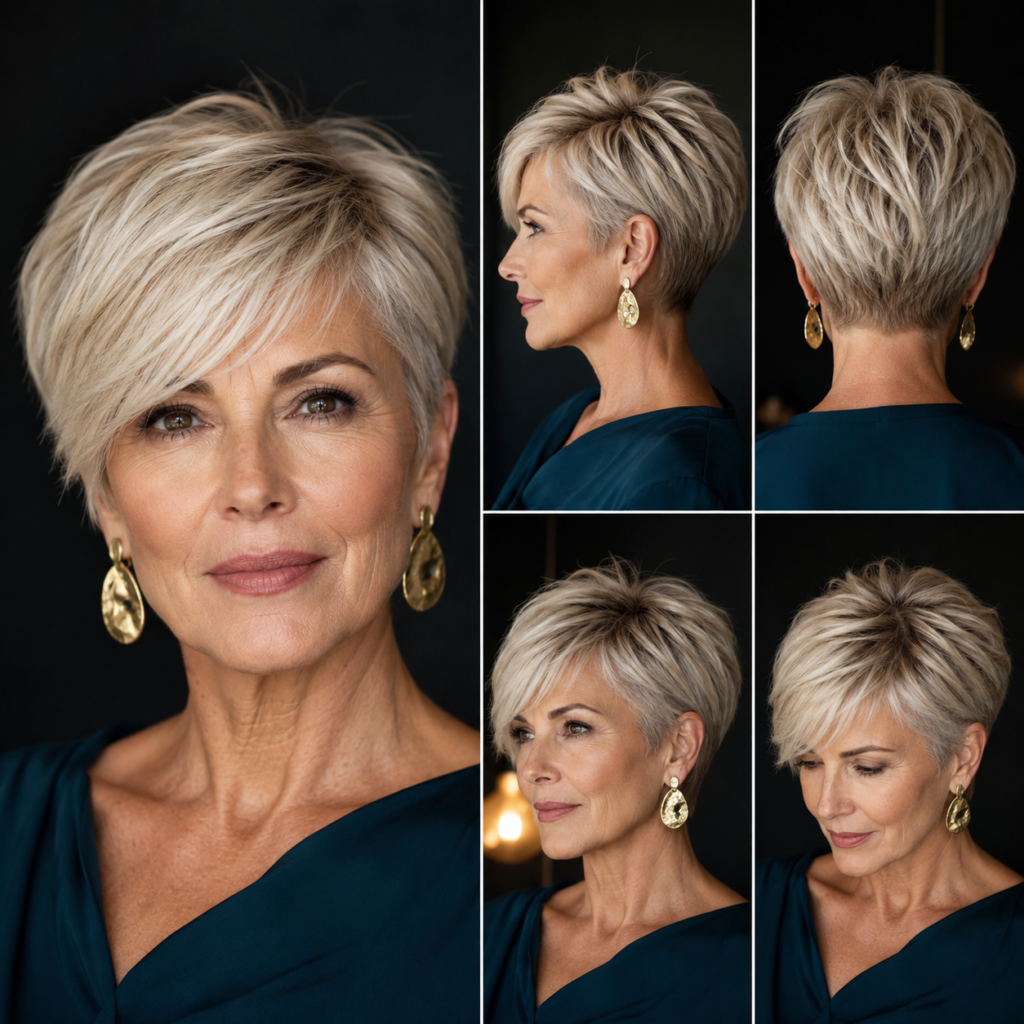
A long pixie is ideal for women who want the convenience of short hair without sacrificing softness around the face.
The longer fringe adds movement, while the shorter back and sides give the haircut structure.
Why it works: The contrast between the longer top and shorter sides creates visual dimension. A diagonal fringe also helps the hairstyle look less flat from the front.
Ask your stylist for: A longer, side-swept fringe, gentle crown texture, and a softly tapered back.
What Makes a Short Haircut Look Fuller?
Four details worth discussing with your stylist
-
A strong perimeter: Keeping enough weight at the ends helps fine hair appear denser.
-
Strategic crown layers: Carefully positioned layers can introduce lift without making the hairstyle look thin.
-
A well-shaped back: Gentle graduation can create a rounded silhouette and natural-looking fullness.
-
Balanced texture: Movement is helpful, but excessive thinning can leave fine hair looking sparse.
How to Style Short Fine Hair Without Making It Puffy
The right styling technique should enhance the haircut rather than force it into an unnatural shape.
Start with a lightweight volumizing mousse or root-lifting spray, concentrating on the crown rather than applying heavy products throughout the hair.
Blow-dry with a medium round brush, gently lifting the roots while keeping the ends smooth. If your hair is particularly fine, use a small amount of lightweight finishing product instead of heavy waxes or oils.
Remember that fine hair can vary considerably in density, texture, and natural growth patterns. A haircut that works beautifully on one person may need to be adjusted for another.
Final Thoughts
The most flattering short haircuts for fine hair after 50 aren’t necessarily the ones with the most layers or the highest volume.
They’re the styles that create a balanced shape, preserve fullness where it matters, and work with your natural hair texture.
Whether you prefer a polished bob, a feminine pixie, or a softly textured bixie, the right haircut can make fine hair look beautifully shaped without excessive styling.