Haircut Mistakes That Can Make Fine Hair Look Thinner After 50
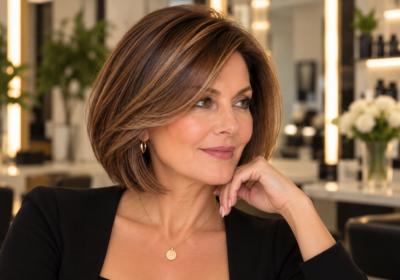
Fine hair doesn’t always need more volume. Sometimes, it simply needs less taken away.
A haircut that looks beautiful on thick hair can have a completely different effect on finer strands. Too many layers can remove valuable density, heavily textured ends can make the perimeter look sparse, and the wrong length can pull naturally fine hair flatter against the head.
After 50, changes in density, texture and growth patterns can make these details even more noticeable. That doesn’t mean you have to cut your hair extremely short or rely on a complicated styling routine. Often, a few strategic changes to the shape, weight and placement of layers can make a significant visual difference.
Below are some of the most common haircut mistakes that can make fine hair appear thinner — and what can work better instead.
1. Adding Too Many Layers to Already Fine Hair
Layers are often recommended for creating movement and volume, but with fine hair, more layers don’t automatically mean more fullness.
When too much hair is removed throughout the interior, the ends can begin to look thin and disconnected. Instead of creating lift, excessive layering may leave the overall silhouette smaller and less substantial.
This is especially noticeable in bobs and medium-length cuts, where maintaining enough weight through the lower portion of the hair can make a major difference.
What works better
Choose fewer, strategically placed layers while preserving a stronger perimeter.
For a bob, that may mean keeping most of the weight around the jaw or neck while using only subtle internal shaping. For longer hair, very long layers can introduce movement without sacrificing too much density through the ends.
The goal isn’t to eliminate layers completely. It’s to make every layer earn its place.
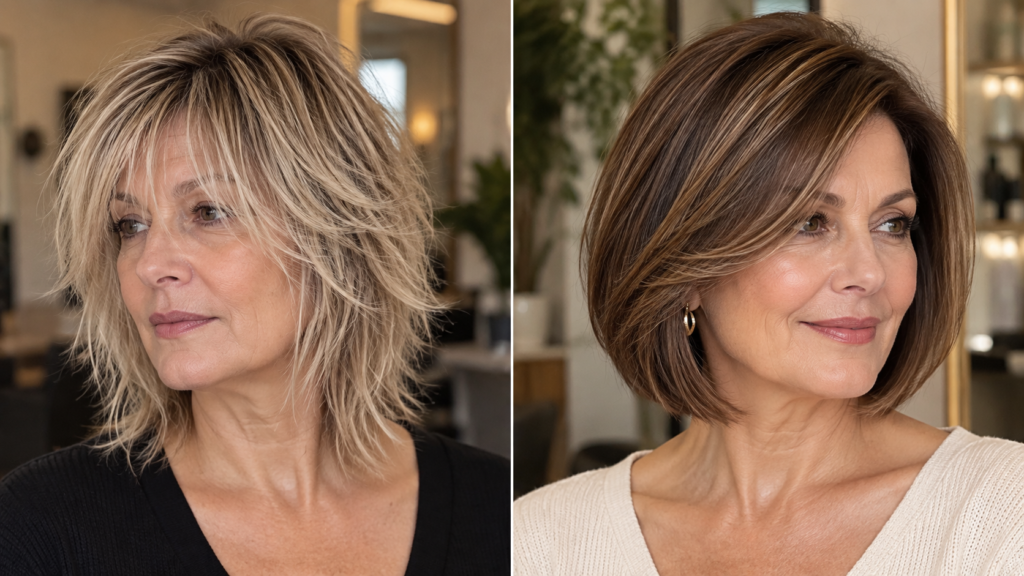
Too many layers can remove valuable weight from fine hair, while a stronger perimeter can create a fuller-looking shape.
2. Over-Thinning the Ends
Fine hair already has a smaller overall diameter and less visual weight, so aggressively thinning or texturizing the ends can work against it.
Techniques that remove too much hair from the perimeter may create movement on thicker textures, but on fine hair they can leave the bottom looking wispy, uneven or almost transparent.
This can be particularly noticeable around the front sections, where the hair is often naturally finer.
What works better
Keep the ends cleaner and more substantial, especially through the main perimeter of the haircut.
Soft point cutting or restrained texturizing can still prevent a cut from looking rigid, but the goal should be to preserve enough hair at the bottom to create a visible weight line.
A fuller-looking perimeter often makes a bigger difference than adding extra volume at the crown.
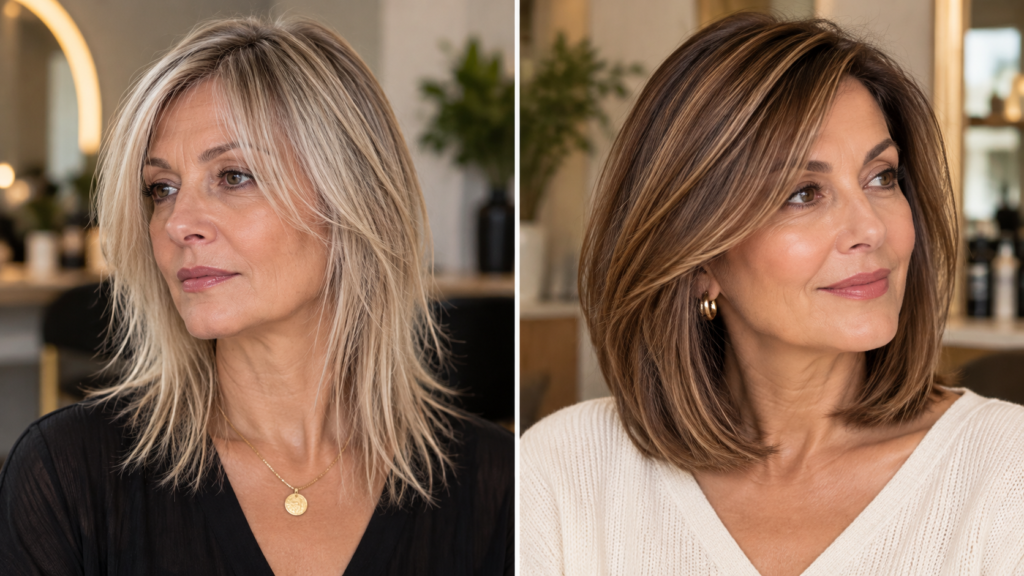
Over-thinning can leave fine hair looking sparse at the ends, while preserving a stronger perimeter helps create a fuller, more substantial shape.
3. Keeping More Length Than the Density Can Support
Long hair and fine hair can absolutely work together. The problem isn’t length itself — it’s what happens when the length begins to overwhelm the available density.
As fine hair grows longer, the ends may gradually become less substantial. The weight of the hair can also pull the roots flatter, making reduced density through the crown more noticeable.
If the bottom few inches look significantly thinner than the hair above them, keeping that extra length may actually make the entire hairstyle appear finer.
What works better
Choose the longest length that still maintains a healthy-looking perimeter.
For some women, that might be a chin-length bob. For others, a shoulder or collarbone-length lob can retain plenty of visual weight.
The right stopping point depends on individual density rather than age or a universal rule about how long fine hair should be.
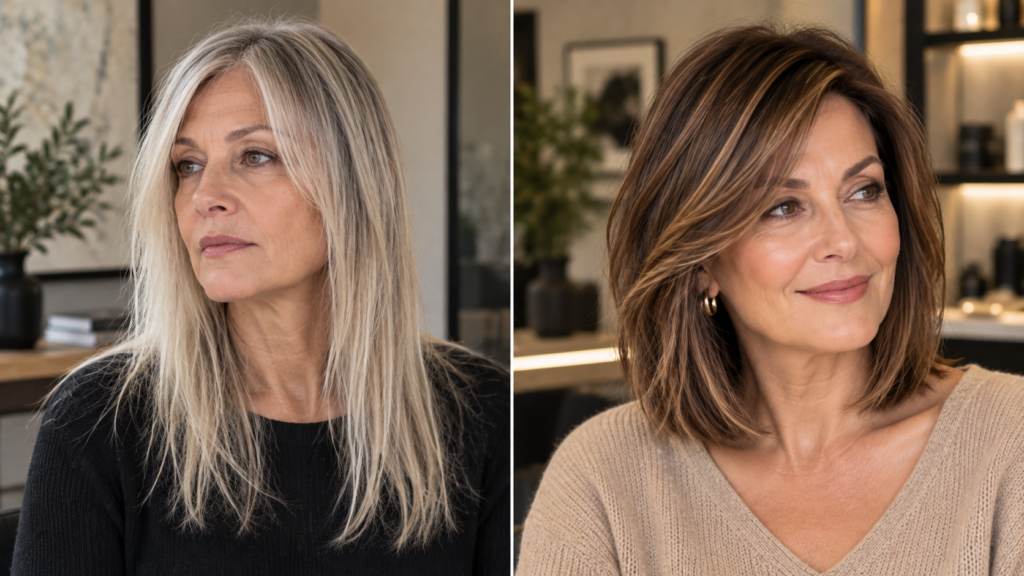
Extra length can make fine ends look increasingly sparse, while a shorter lob can preserve more visual weight and create a fuller-looking perimeter.
4. Cutting the Crown Layers Too Short
Short crown layers are frequently used to create volume, but cutting them too aggressively can have the opposite effect on fine hair.
Very short layers can separate from the rest of the haircut and expose more of the scalp underneath. They may also require considerable styling to maintain the lift they were designed to create.
Once that styling falls flat, the crown can look thinner rather than fuller.
What works better
Use moderately longer crown layers that create gentle movement without removing too much density.
A subtle amount of elevation through the upper crown can help the hair sit away from the scalp while still blending naturally into the rest of the haircut.
The result should look believable even when the hair isn’t freshly blow-dried.
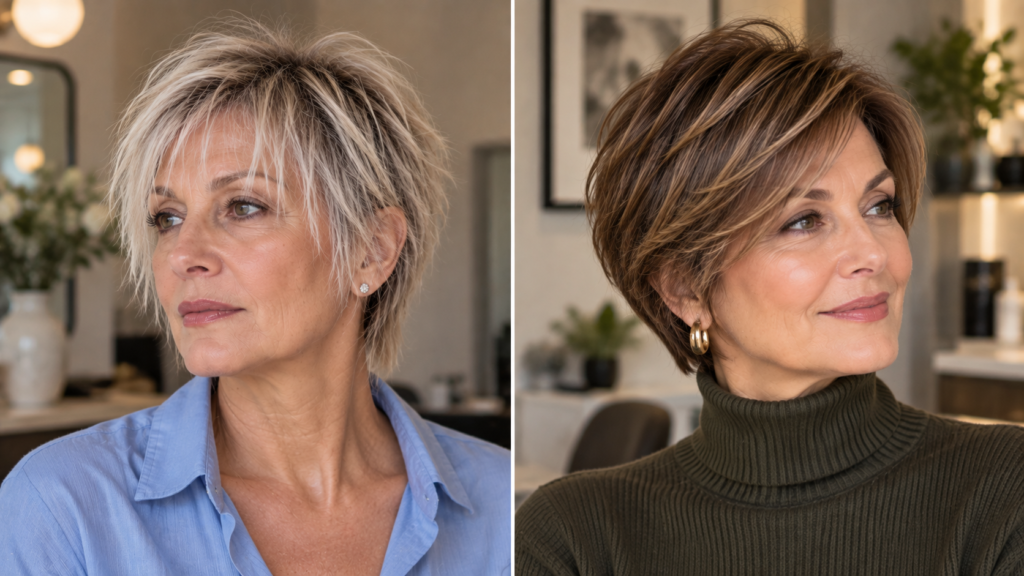
Crown layers that are cut too short can separate and make fine hair look thinner, while slightly longer layers can create softer, more natural-looking lift.
5. Choosing a Fringe That Is Too Thin and Wispy
A fringe can beautifully frame the face, but an extremely sparse fringe can draw attention to fine density — particularly when too much hair has been separated from the front to create it.
Long, transparent pieces may also divide into small sections during the day, leaving visible gaps across the forehead.
What works better
If you want a fringe, consider a soft side-swept shape or a slightly more substantial fringe that works with your natural density.
Another option is to skip a separate fringe altogether and use longer face-framing pieces beginning around the cheekbones or jaw.
This keeps more hair connected to the overall shape while still softening the area around the face.
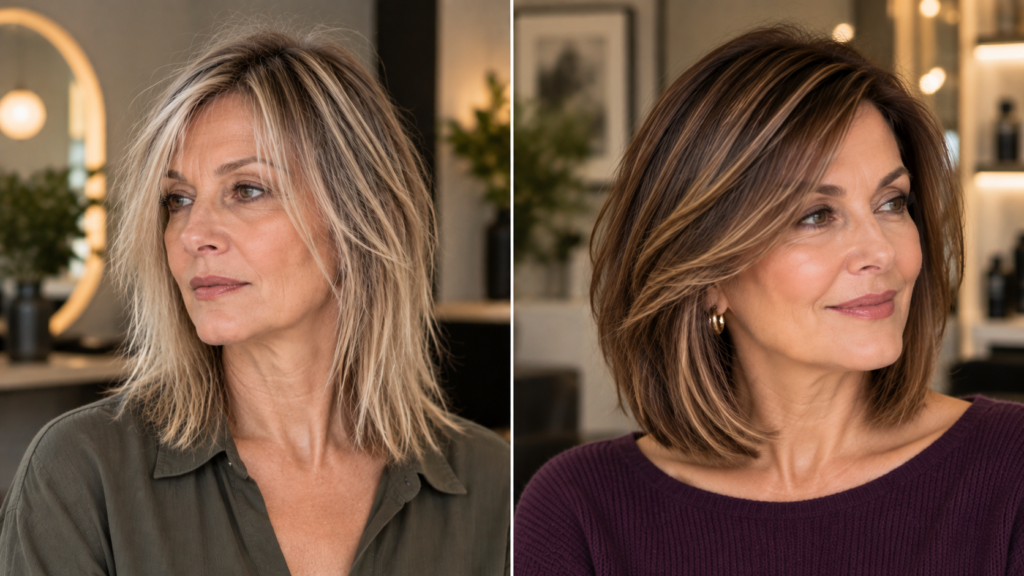
A very wispy fringe can separate and emphasize fine density, while a fuller side-swept shape keeps more hair connected and creates a more substantial look.
6. Removing Too Much Weight From the Perimeter
One of the most useful elements in a fine-hair haircut is often the simplest: a clearly defined lower edge.
When extensive layering, razor cutting or excessive texturizing removes too much weight from the bottom, fine hair can lose the visual structure that makes it appear substantial.
This is why two women with similar density can appear to have very different amounts of hair simply because of the way their perimeter has been cut.
What works better
Build the haircut around a stronger weight line, then add movement selectively.
A blunt bob is one obvious example, but the same principle can work with a graduated bob, bixie or collarbone lob. The perimeter doesn’t have to be severe or perfectly straight — it simply needs enough density to remain visually readable.
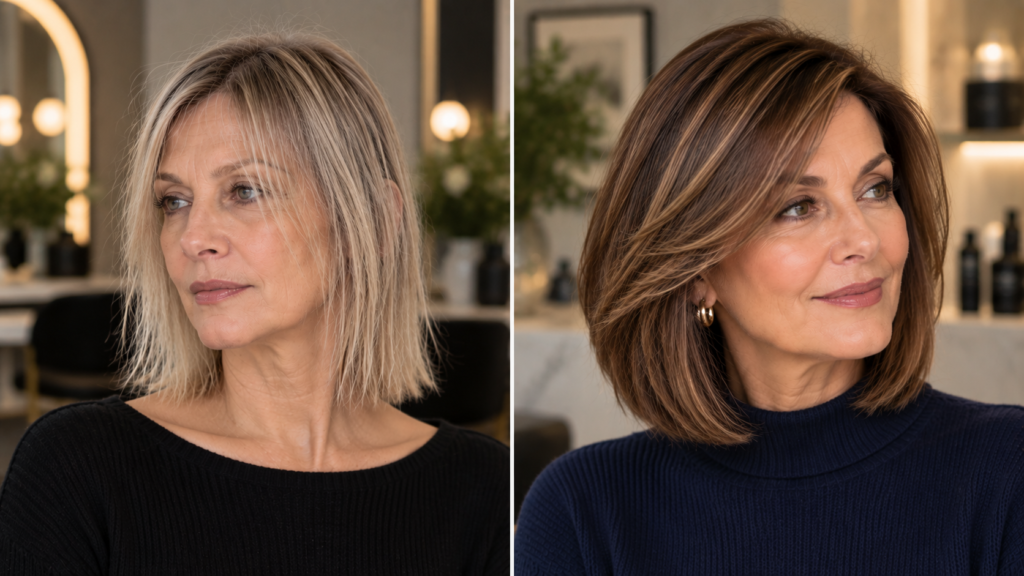
Removing too much weight from the perimeter can make fine hair look sparse, while a stronger weight line helps the ends appear fuller and more substantial.
7. Using Too Much Graduation or Stacking
A softly graduated shape can be excellent for fine hair because it creates structure and gentle lift through the back.
But there is a point where graduation becomes too aggressive.
A dramatically stacked back can remove too much weight from the lower sections while concentrating the shape higher on the head. On naturally fine hair, this may require substantial styling to maintain the intended silhouette.
What works better
Choose soft, controlled graduation.
The back can be slightly shorter than the front and still create a flattering forward-moving shape without becoming a dramatic wedge.
Keeping the graduation restrained also allows the outer surface of the haircut to remain smoother and more substantial.
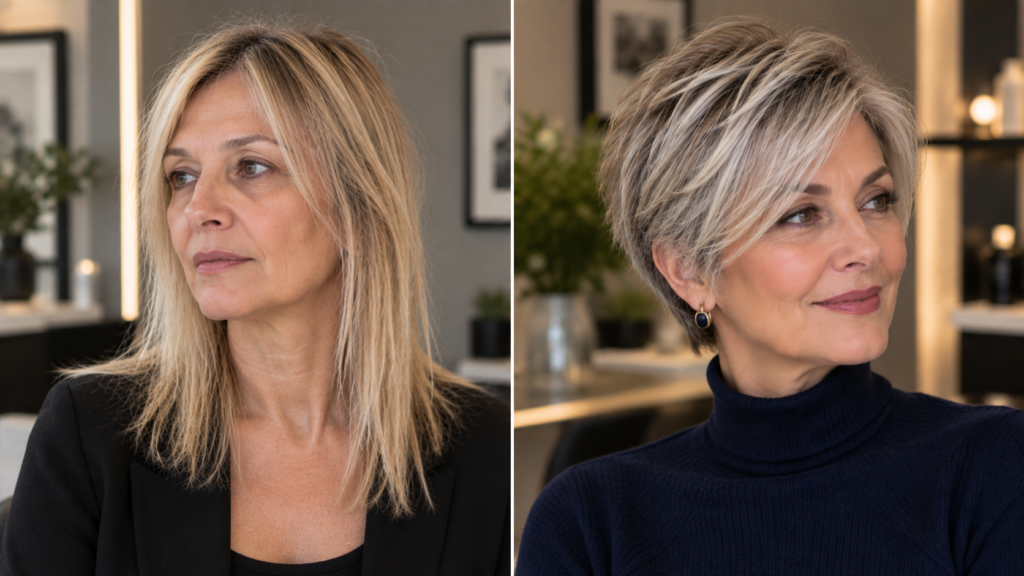
Too much graduation can remove valuable weight from fine hair, while softer, controlled shaping helps preserve density and create natural-looking lift.
8. Choosing a Haircut That Only Looks Full After Heavy Styling
A haircut may look fantastic immediately after a professional blowout and still be a poor match for everyday fine hair.
Heavy round-brush styling, teasing and large amounts of root lift can temporarily disguise a shape that doesn’t naturally support the hair’s density.
If the haircut collapses completely once the styling disappears, the problem may not be your styling ability.
What works better
Look for a haircut that retains a recognizable shape with relatively simple styling.
A strong bob perimeter, a softly textured bixie, restrained crown layers or a minimally layered lob can all create structure before volumizing products are added.
Styling should enhance the haircut — not be responsible for creating the entire silhouette.
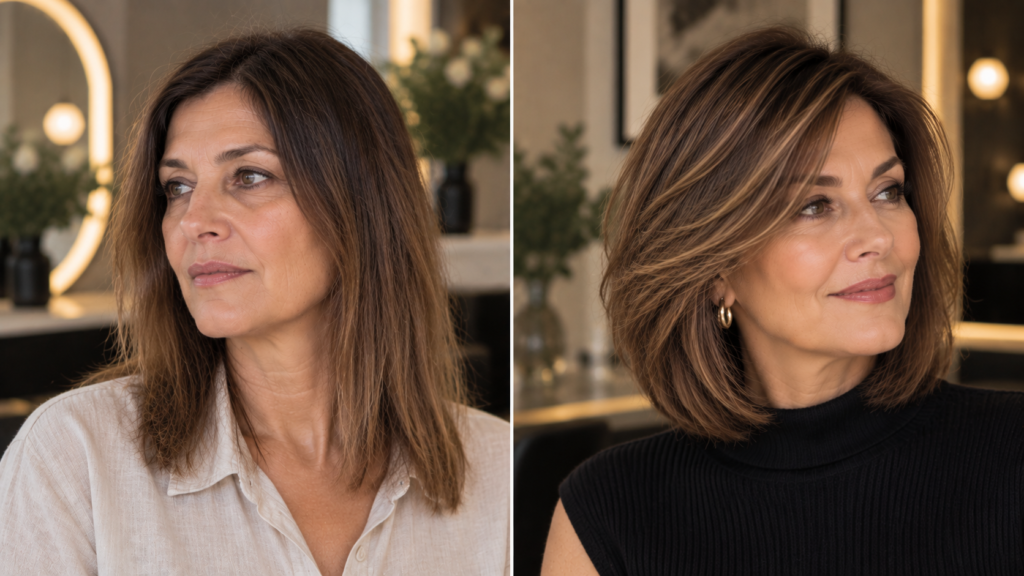
Fine hair shouldn’t need heavy styling to hold its shape. A well-structured cut can create natural-looking fullness and movement with much less effort.
9. Ignoring Your Natural Part and Growth Pattern
Sometimes the problem isn’t the length or the layers at all.
Fine hair can appear particularly flat when it repeatedly falls in exactly the same direction, especially around a well-established part. Cowlicks and natural growth patterns can also cause certain areas to separate, exposing more scalp than expected.
A haircut that ignores those patterns may be difficult to style no matter how much volume product you use.
What works better
Ask your stylist to consider how your hair naturally falls before deciding where to place layers, fringe and volume.
Even changing from a centered part to a natural side part can sometimes create noticeable root lift by redirecting the hair.
The goal isn’t to fight your growth pattern every morning. A good haircut should work with it whenever possible.
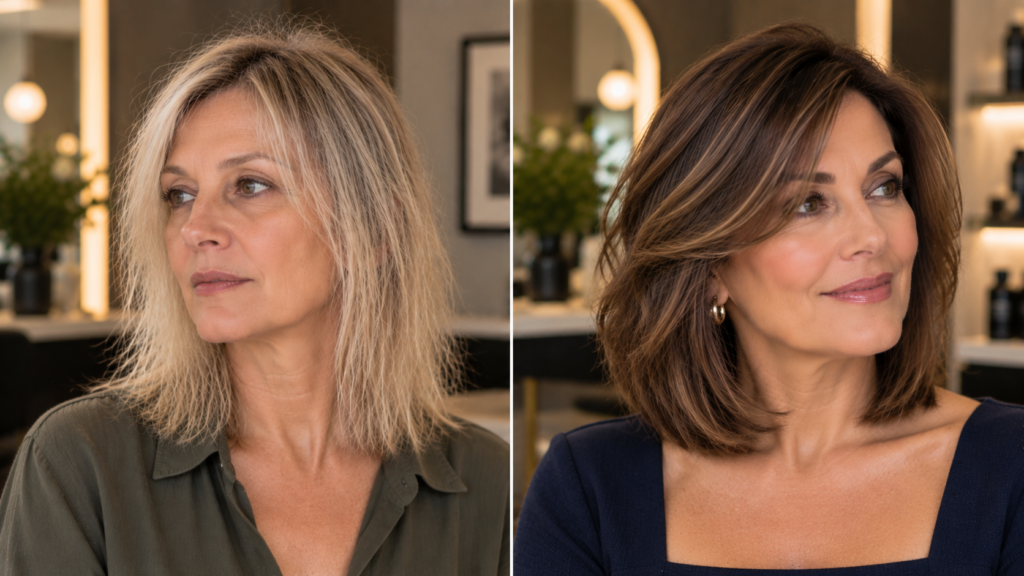
Working with the natural part and growth pattern can make a noticeable difference, helping fine hair gain softer root lift without relying on excessive styling.
The Biggest Fine-Hair Mistake? Chasing Volume at Any Cost
The most flattering haircut for fine hair isn’t necessarily the one with the most layers, the shortest length or the biggest crown.
In many cases, fullness comes from preserving what you already have.
A strong perimeter can make the ends appear more substantial. Strategic layers can introduce movement without sacrificing density. The right length can keep the bottom from looking sparse, while thoughtful placement around the crown and part can create natural-looking lift.
After 50, these details can become increasingly important as hair density and texture change — but there is no single haircut that every woman with fine hair needs.
The best shape is the one that works with your density, growth pattern, texture and preferred amount of daily styling.
Before your next haircut, instead of simply asking for “more volume,” consider asking your stylist where your hair needs weight, movement and structure.
Sometimes the difference between hair that looks thin and hair that looks naturally fuller is not more hair at all.
It’s a better shape.
Frequently Asked Questions
Does fine hair look better with or without layers?
Fine hair can look great with layers, but they should usually be placed strategically. Too many short or heavily textured layers can remove visual weight, while a stronger perimeter with subtle layering can help hair appear fuller.
What haircut makes fine hair look thicker after 50?
There isn’t one haircut that works for everyone, but bobs with a strong perimeter, softly layered pixies and collarbone-length lobs can all work well for fine hair. The best choice depends on your density, texture, face shape and natural growth pattern.
Can fine hair be too long?
Fine hair doesn’t have to be short, but length can become less flattering when the ends begin to look noticeably sparse or the weight pulls the roots flat. The ideal length is often the longest point at which the hair still maintains a healthy, substantial-looking perimeter.
Should fine hair be thinned or texturized?
Fine hair can be lightly texturized when needed, but aggressive thinning may remove too much density and leave the ends looking wispy. A stylist can use restrained texturizing techniques while preserving enough weight through the perimeter.